

Introduction
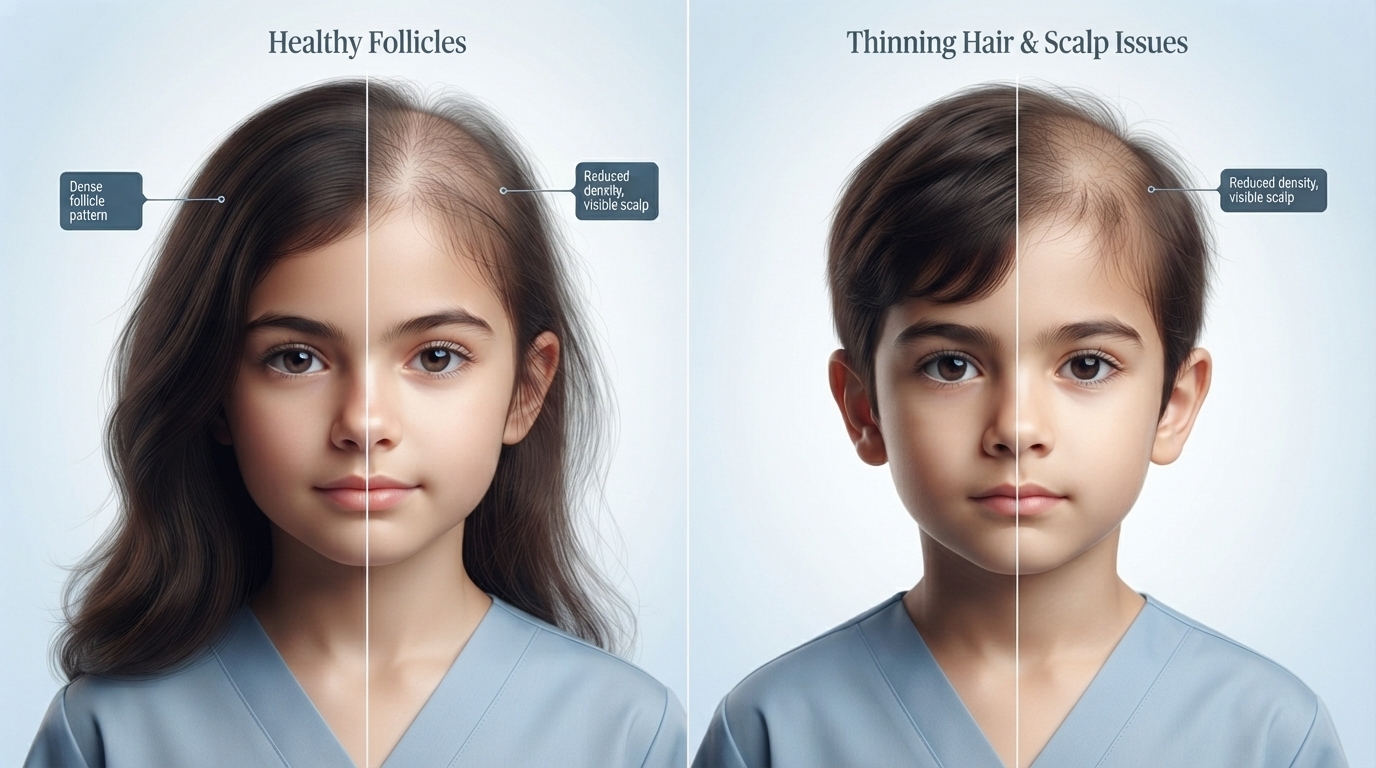
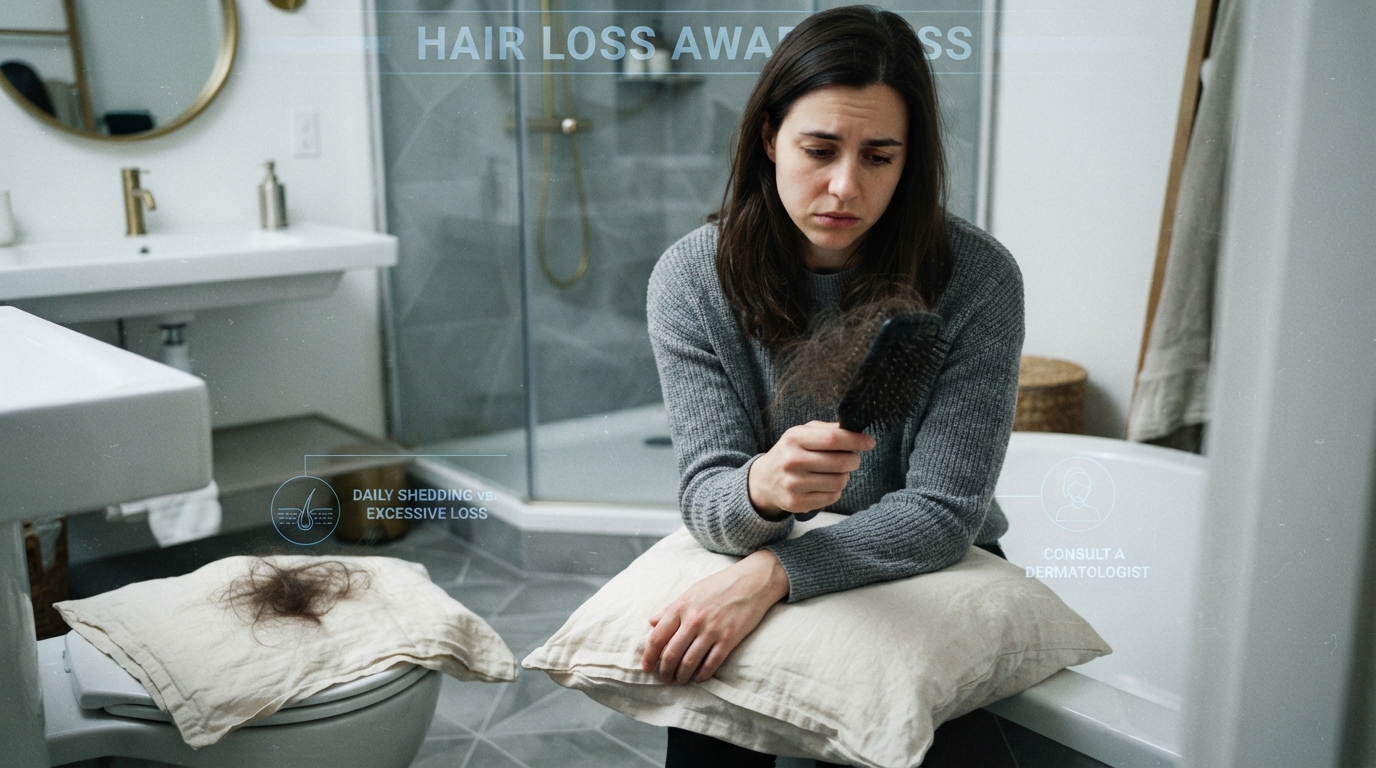
Hair fall is one of the most common concerns affecting people of all ages. Losing a few strands of hair every day is normal, but excessive hair loss can become a source of stress and affect self-confidence. Hair fall can result from genetics, poor nutrition, hormonal changes, stress, medical conditions, or unhealthy hair care habits.
The good news is that many cases of hair fall can be prevented or managed with proper care, a balanced diet, and timely medical treatment. Understanding the causes and taking the right steps early can help maintain healthy, strong hair.
What Is Hair Fall?
Hair fall refers to the shedding of hair from the scalp or other parts of the body. On average, a healthy person loses 50 to 100 hairs per day as part of the natural hair growth cycle. When hair loss exceeds this amount or new hair does not grow back properly, it may indicate an underlying issue.
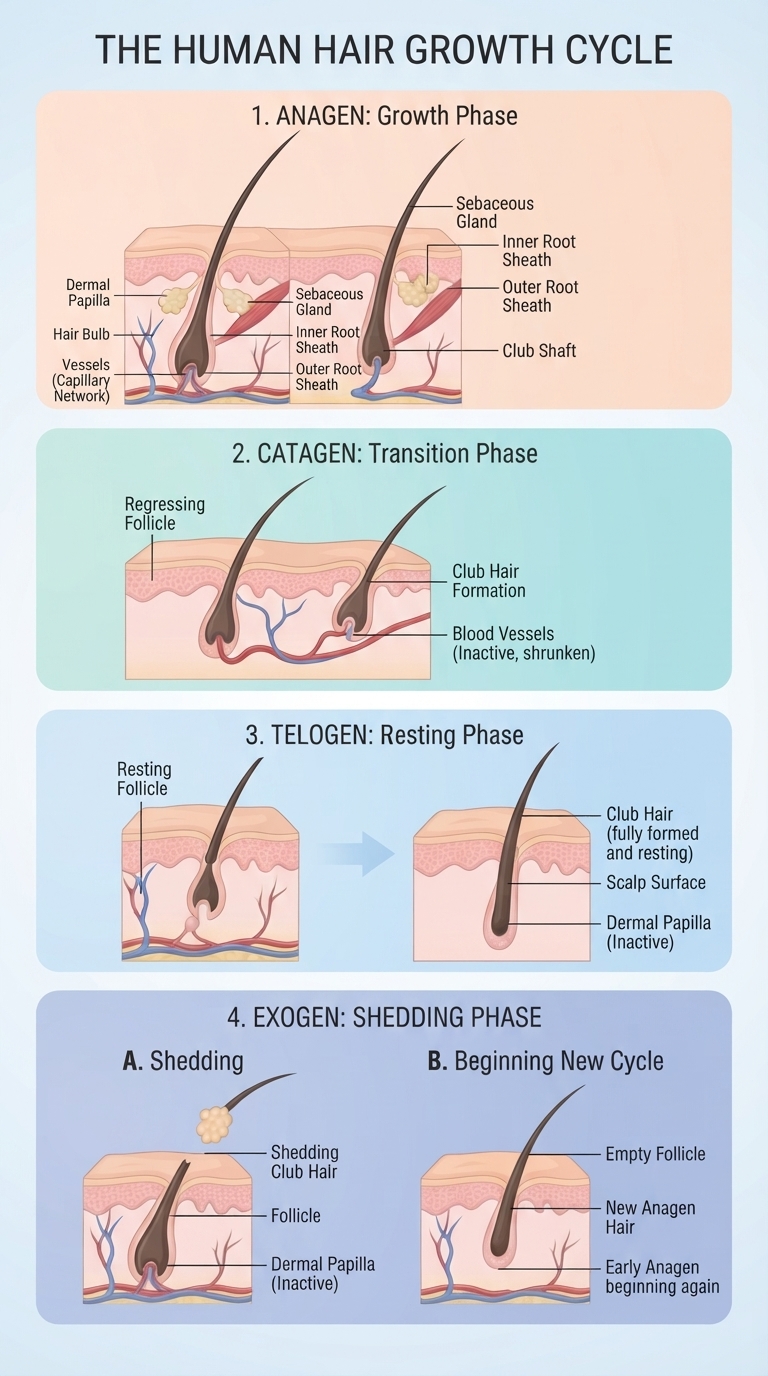
Hair growth occurs in three phases:
- Anagen (Growth Phase): Hair actively grows for 2–7 years.
- Catagen (Transition Phase): Hair growth slows for a few weeks.
- Telogen (Resting Phase): Hair rests before naturally shedding and making way for new hair.
Disruption of this cycle can lead to excessive hair fall.
Common Causes of Hair Fall
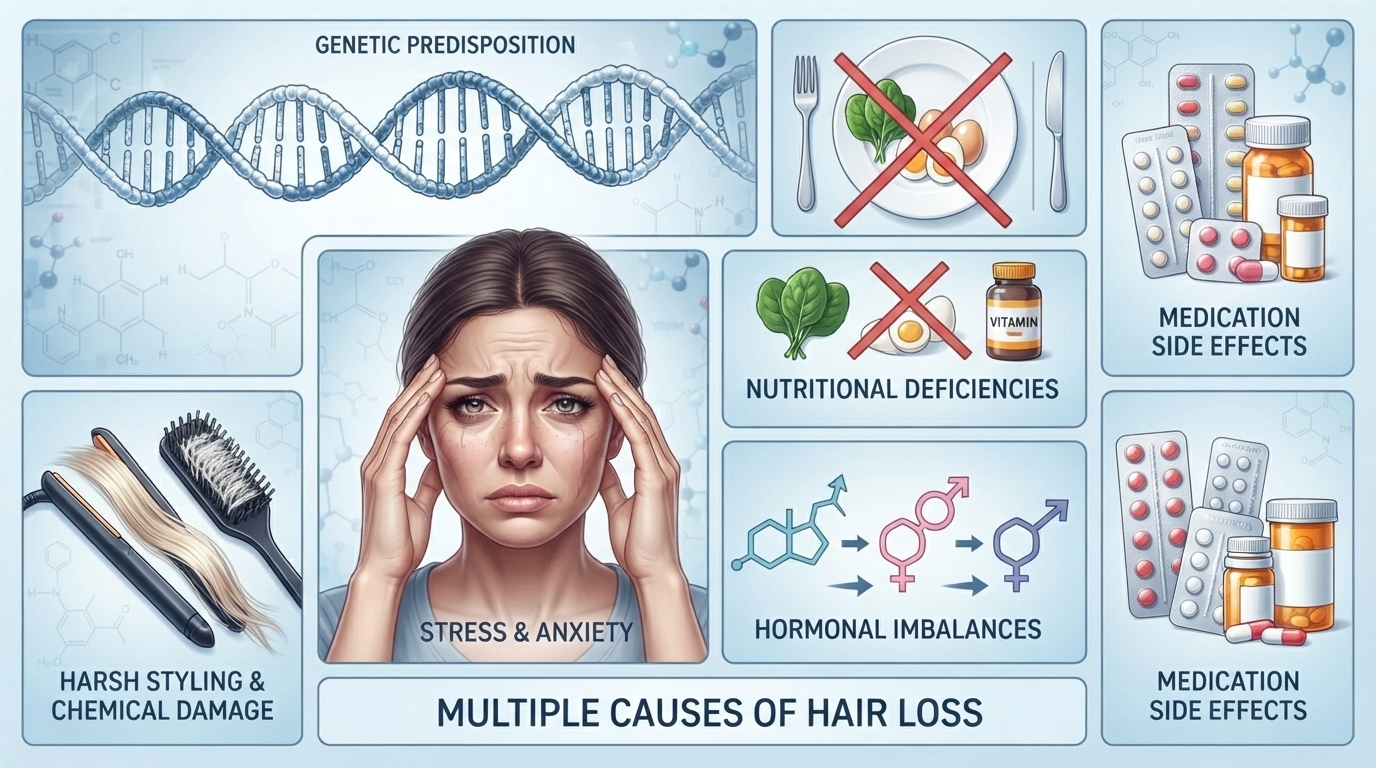
1. Genetic Factors
The most common cause of hair loss is hereditary pattern baldness. Men may develop a receding hairline or bald spots, while women often notice thinning hair along the top of the scalp.
2. Poor Nutrition
Hair requires essential nutrients to grow. Deficiencies in protein, iron, zinc, vitamin D, biotin, and vitamin B12 can contribute to increased hair fall.
3. Hormonal Changes
Hormonal fluctuations during pregnancy, childbirth, menopause, thyroid disorders, or conditions such as polycystic ovary syndrome (PCOS) can trigger hair loss.
4. Stress
Physical or emotional stress can push more hair follicles into the resting phase, causing increased shedding a few months later.
5. Medical Conditions
Certain illnesses and infections can lead to hair loss, including:
- Thyroid disorders
- Autoimmune diseases
- Scalp fungal infections
- Severe fever or illness
- Anemia
6. Medications
Some medications for cancer, high blood pressure, depression, arthritis, and blood thinners may cause temporary hair loss.
7. Harsh Hair Treatments
Frequent coloring, bleaching, perming, straightening, excessive heat styling, and tight hairstyles can damage hair and lead to breakage or hair loss.
8. Aging
As people age, hair naturally becomes thinner, grows more slowly, and loses volume.
Symptoms of Hair Fall
Common signs include:
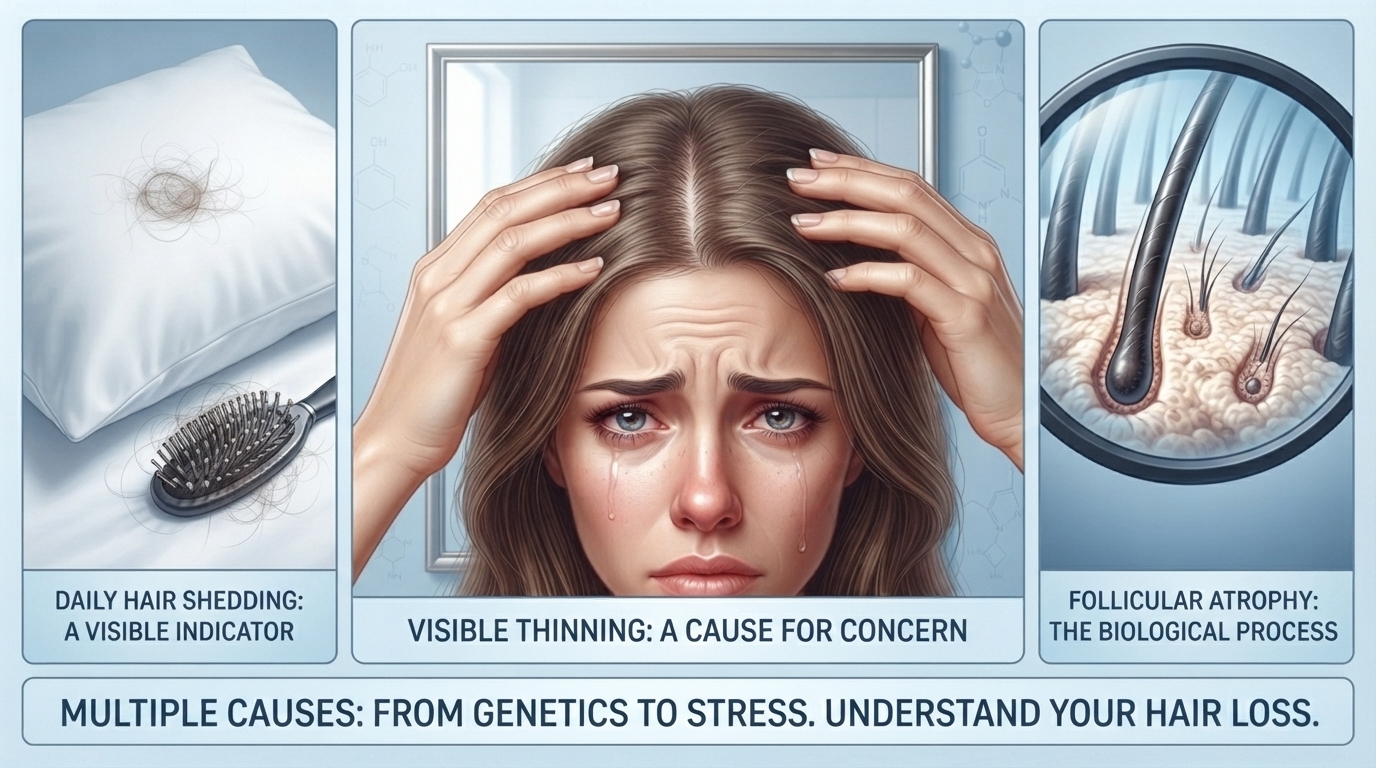
- Excessive hair shedding while combing or washing
- Hair accumulating on pillows or clothing
- Gradual thinning of hair
- Widening part line
- Receding hairline
- Bald patches
- Reduced hair volume
- Visible scalp
Risk Factors
You may be more likely to experience hair fall if you:
- Have a family history of hair loss
- Eat a poor-quality diet
- Experience chronic stress
- Have hormonal disorders
- Smoke
- Frequently use harsh hair products
- Have certain medical conditions
How Is Hair Fall Diagnosed?
A healthcare provider may recommend:
- Physical examination of the scalp
- Review of medical history
- Blood tests to check nutrient deficiencies or thyroid function
- Hair pull test
- Scalp examination using a dermatoscope
- Scalp biopsy (in selected cases)
Proper diagnosis helps identify the underlying cause and guide treatment.
Treatment Options
Treatment depends on the cause of hair fall.
Medications
Certain medicines may help slow hair loss and promote hair growth in suitable individuals. These should only be used under medical guidance.
Nutritional Support
Correcting vitamin or mineral deficiencies through diet or supplements can improve hair health.
Lifestyle Changes
Managing stress, sleeping well, exercising regularly, and avoiding smoking can support healthy hair growth.
Hair Care
Use a mild shampoo, avoid excessive heat styling, and minimize chemical treatments.
Medical Procedures
In some cases, treatments such as platelet-rich plasma (PRP) therapy, low-level laser therapy, or hair transplantation may be recommended.

Foods That Help Reduce Hair Fall
A nutritious diet supports healthy hair growth.
Protein-Rich Foods
- Eggs
- Fish
- Chicken
- Lentils
- Beans
- Greek yogurt
Iron-Rich Foods
- Spinach
- Lean meat
- Pumpkin seeds
- Chickpeas
Vitamin C Sources
- Oranges
- Guava
- Kiwi
- Strawberries
- Bell peppers
Healthy Fats
- Walnuts
- Almonds
- Flaxseeds
- Chia seeds
- Fatty fish
Zinc Sources
- Nuts
- Seeds
- Whole grains
- Seafood

Foods and Habits That May Worsen Hair Fall
Although no specific food directly causes hair loss in everyone, limiting the following may help maintain overall health:
- Excess sugary foods
- Highly processed snacks
- Excessive alcohol
- Smoking
- Crash diets
- Frequent fast food
- Excessive soft drinks
Home Care Tips
- Wash your hair with a gentle shampoo.
- Massage the scalp gently to improve circulation.
- Avoid tight hairstyles.
- Limit heat styling.
- Eat a balanced diet rich in protein and vitamins.
- Stay hydrated.
- Get 7–9 hours of sleep each night.
- Practice stress-management techniques such as yoga or meditation.
- Trim split ends regularly.
Can Hair Fall Be Prevented?
Many cases can be reduced by:
- Maintaining a healthy diet
- Treating medical conditions early
- Managing stress
- Avoiding harsh chemical treatments
- Protecting hair from excessive heat and sunlight
- Using suitable hair care products
While hereditary hair loss cannot always be prevented, early treatment may slow its progression.

When Should You See a Doctor?
Consult a healthcare provider if you experience:
- Sudden or severe hair loss
- Bald patches
- Hair loss with itching or scalp pain
- Hair loss after starting a new medication
- Hair fall lasting several months
- Hair loss accompanied by fatigue, weight changes, or menstrual irregularities
Early evaluation can help identify treatable causes.
Conclusion
Hair fall is a common condition with many possible causes, ranging from nutritional deficiencies and stress to hormonal changes and genetics. While losing some hair each day is normal, excessive hair loss should not be ignored. Eating a nutrient-rich diet, practicing gentle hair care, managing stress, and seeking medical advice when needed can help maintain healthy hair and reduce excessive shedding. With the right approach, many people can successfully manage hair fall and support long-term hair health.