📢 Advertise with us

Introduction...

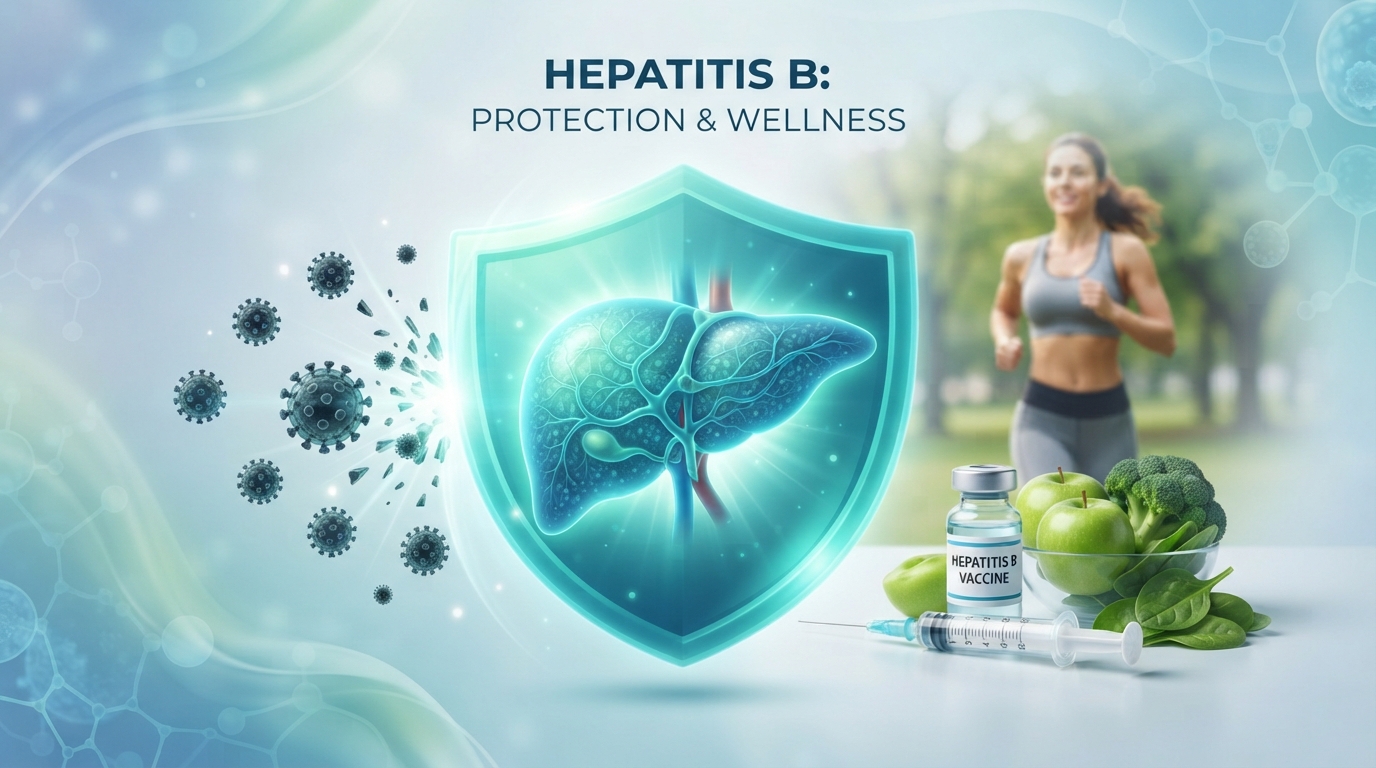
Hepatitis B is a serious viral infection that affects the liver. It is caused by the Hepatitis B virus (HBV) and can lead to both short-term (acute) and long-term (chronic) liver disease. Millions of people around the world live with Hepatitis B, but many are unaware they are infected because symptoms may not appear in the early stages.

If left untreated, chronic Hepatitis B can cause severe liver damage, including liver cirrhosis, liver failure, and liver cancer. The good news is that Hepatitis B is preventable through vaccination and manageable with proper medical care.

This article explains everything you need to know about Hepatitis B, including its causes, symptoms, diagnosis, treatment, prevention, and lifestyle tips.
What is Hepatitis B?

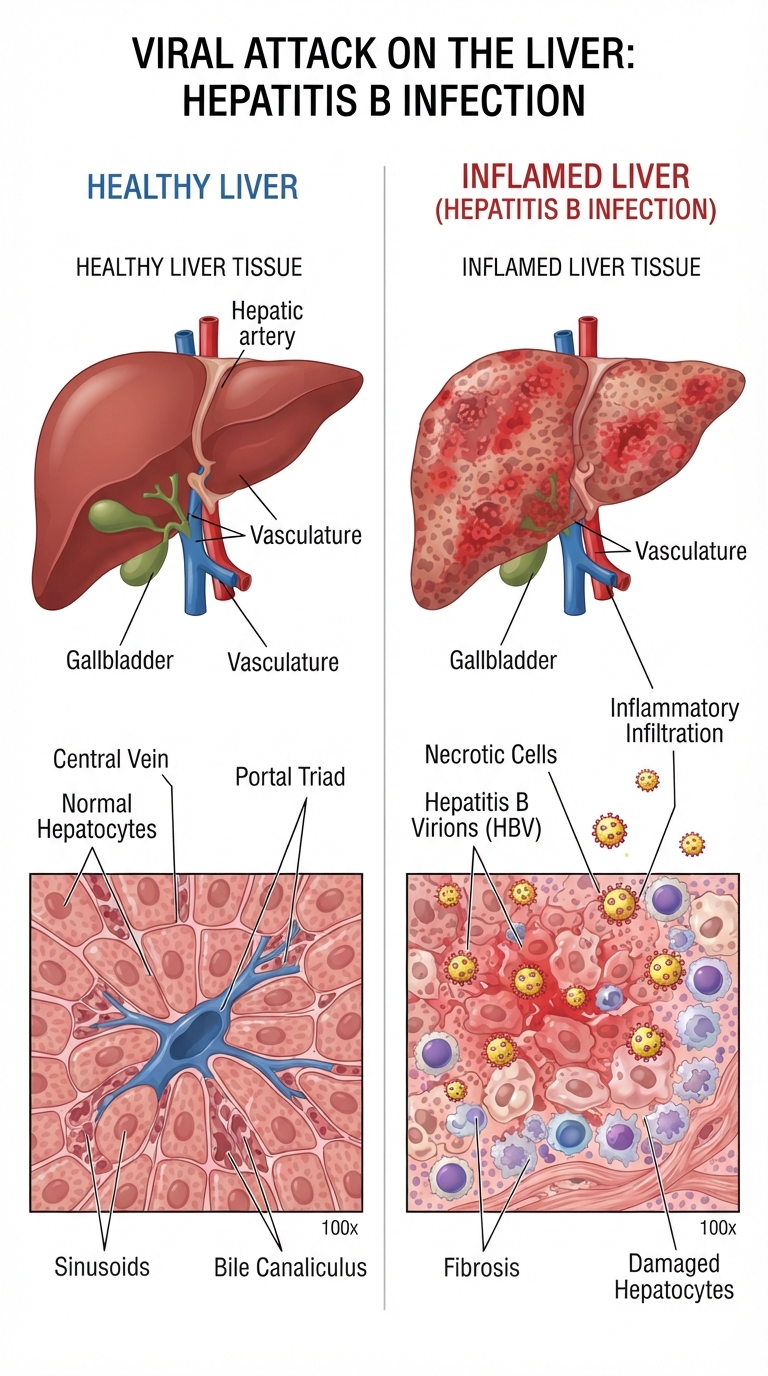
Hepatitis B is a viral infection that attacks the liver. The liver is one of the body’s most important organs, responsible for filtering toxins, producing bile, storing nutrients, and helping digestion.

When the Hepatitis B virus enters the body, it causes inflammation of the liver. Some people recover completely within a few months, while others develop chronic infection that lasts for years or even a lifetime.

There are two main types:

Acute Hepatitis B

  • Lasts less than six months.
  • Most healthy adults recover completely.
  • Usually does not cause permanent liver damage.

Chronic Hepatitis B

  • Lasts more than six months.
  • Can remain in the body for life.
  • May lead to liver cirrhosis or liver cancer if untreated.

Causes of Hepatitis B

Hepatitis B spreads through contact with infected blood or body fluids. It is not spread through casual contact like hugging, sharing food, or shaking hands.

Common causes include:

  • Unprotected sexual contact with an infected person
  • Sharing contaminated needles or syringes
  • Mother-to-child transmission during childbirth
  • Blood transfusions with infected blood (rare due to modern screening)
  • Tattooing or piercing with unsterilized equipment
  • Accidental needle-stick injuries in healthcare settings
  • Sharing razors or toothbrushes contaminated with blood

Risk Factors

Some people have a higher chance of getting Hepatitis B, including:

  • Healthcare workers
  • People with multiple sexual partners
  • Injection drug users
  • Family members living with an infected person
  • Babies born to infected mothers
  • People receiving dialysis
  • Travelers to areas where Hepatitis B is common

Symptoms of Hepatitis B

Many people experience no symptoms during the early stages.

When symptoms appear, they may include:

  • Fatigue
  • Fever
  • Loss of appetite
  • Nausea and vomiting
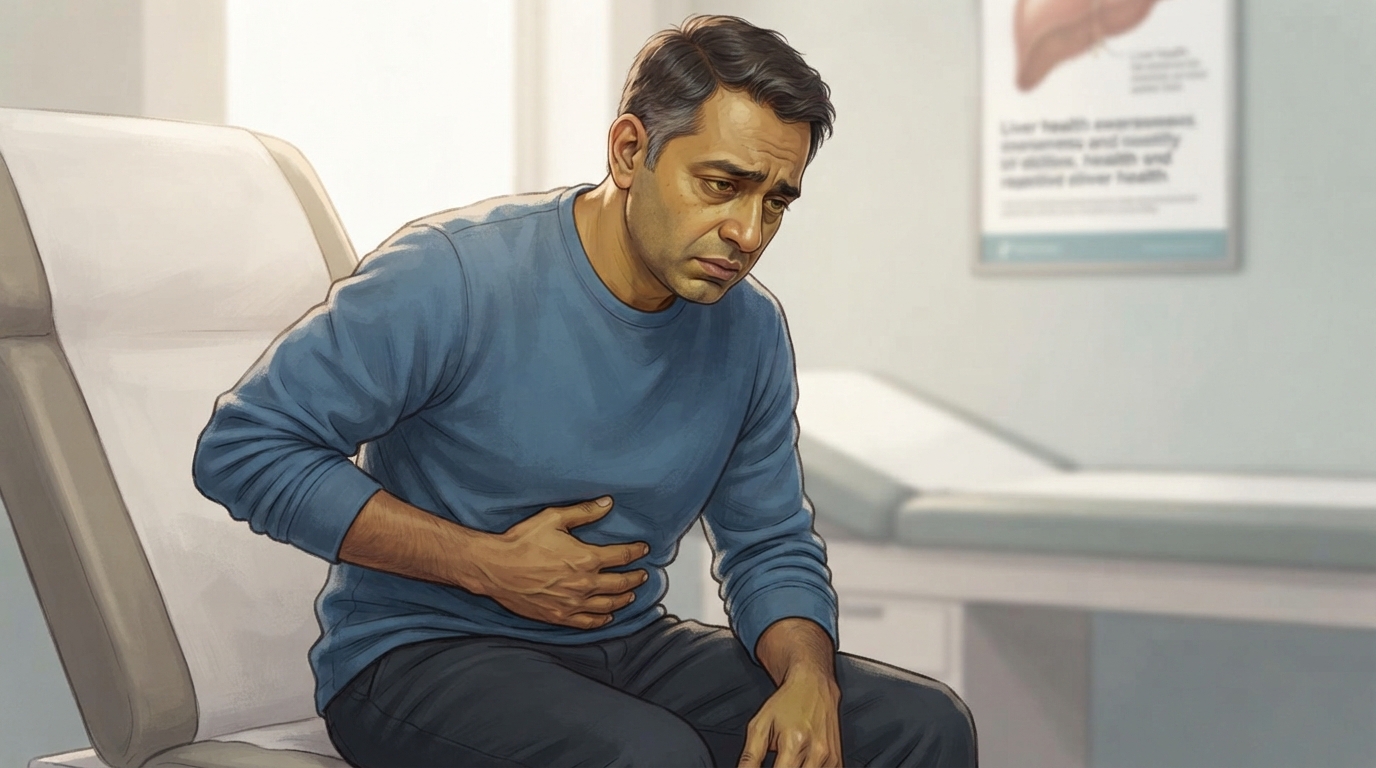
  • Pain in the upper right abdomen
  • Joint pain
  • Dark-colored urine
  • Pale stools
  • Yellowing of the skin and eyes (jaundice)
  • Itchy skin

Symptoms usually appear 1–4 months after infection.

Complications of Chronic Hepatitis B

Without proper treatment, chronic Hepatitis B can lead to serious complications such as:

  • Liver cirrhosis
  • Liver failure
  • Liver cancer
  • Portal hypertension
  • Internal bleeding
  • Liver transplantation in severe cases

Regular medical checkups help detect complications early.

How is Hepatitis B Diagnosed?

Doctors use several tests to diagnose Hepatitis B.

1. Blood Tests

Blood tests help determine:

  • Whether the virus is present
  • Whether the infection is acute or chronic
  • Whether the virus is active
  • Liver function

Common blood tests include:

  • HBsAg (Hepatitis B Surface Antigen)
  • Anti-HBs
  • Anti-HBc
  • HBV DNA test
  • Liver Function Tests (LFTs)

2. Liver Ultrasound

An ultrasound checks for liver damage, scarring, or tumors.

3. FibroScan

This painless test measures liver stiffness to detect fibrosis or cirrhosis.

4. Liver Biopsy

In some cases, a small sample of liver tissue is examined to assess liver damage.

Treatment of Hepatitis B

Treatment depends on whether the infection is acute or chronic.

Acute Hepatitis B

Most adults recover without antiviral medicines.

Treatment focuses on:

  • Adequate rest
  • Drinking plenty of fluids
  • Nutritious meals
  • Avoiding alcohol
  • Regular monitoring by a healthcare provider

Chronic Hepatitis B

Chronic infection may require antiviral medications to reduce viral activity and protect the liver.

Treatment may include:

  • Antiviral medications
  • Regular blood tests
  • Liver function monitoring
  • Routine ultrasound examinations

Some people need lifelong monitoring even if medication is not immediately required.

Healthy Diet for Hepatitis B Patients

A healthy diet supports liver function.

Recommended foods include:

Fruits

  • Apples
  • Bananas
  • Oranges
  • Papaya
  • Berries

Vegetables

  • Spinach
  • Broccoli
  • Carrots
  • Cabbage
  • Pumpkin

Whole Grains

  • Brown rice
  • Oats
  • Whole wheat bread
  • Millet

Lean Proteins

  • Fish
  • Skinless chicken
  • Eggs
  • Beans
  • Lentils

Healthy Fats

  • Olive oil
  • Avocados
  • Nuts
  • Seeds

Drink plenty of water throughout the day.

Can Hepatitis B Be Prevented?

Yes. Prevention is highly effective.

Get Vaccinated

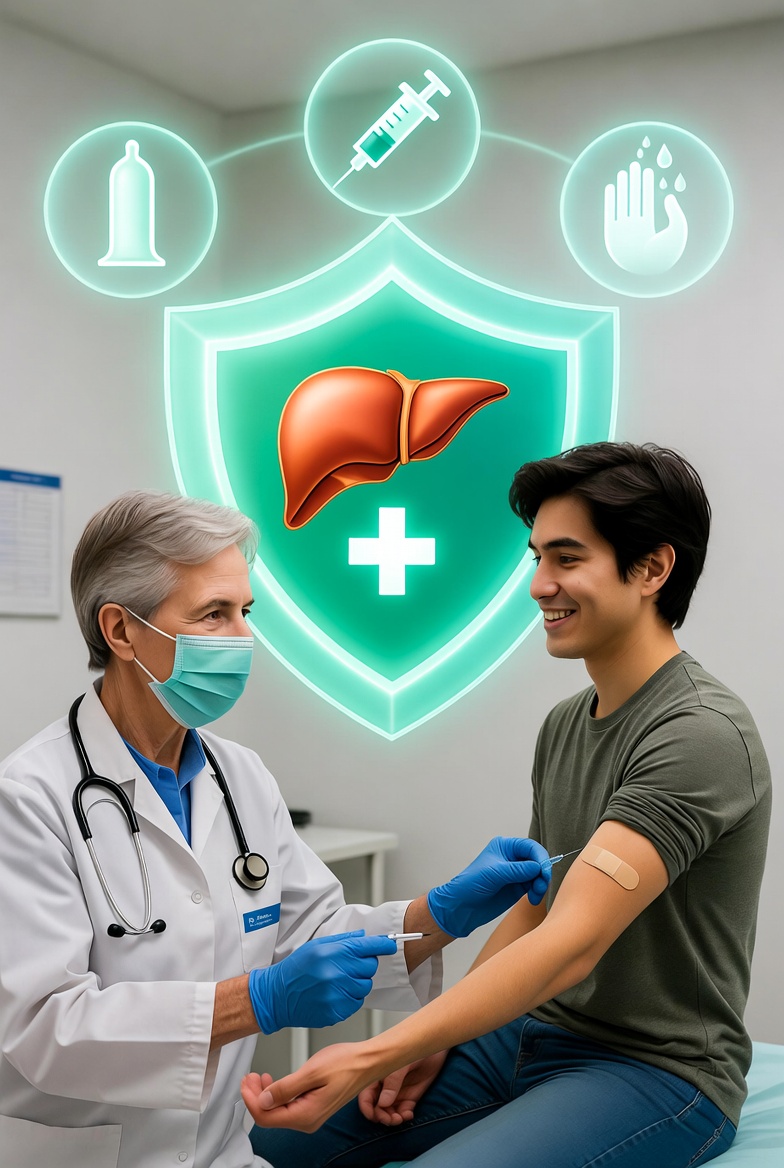
The Hepatitis B vaccine is the best protection.

It is recommended for:

  • Newborn babies
  • Children
  • Healthcare workers
  • Adults at increased risk

Practice Safe Sex

Use condoms and know your partner’s health status.

Avoid Sharing Needles

Never share needles or syringes.

Use Sterile Equipment

Choose licensed clinics for tattoos and piercings.

Do Not Share Personal Items

Avoid sharing razors, toothbrushes, or nail clippers.

Pregnant Women Should Be Tested

Testing during pregnancy helps reduce the risk of passing the virus to the baby.

Living with Hepatitis B

Many people with Hepatitis B live healthy, active lives.

Helpful habits include:

  • Take medicines exactly as prescribed.
  • Attend regular medical checkups.
  • Eat a balanced diet.
  • Exercise regularly.
  • Avoid smoking and alcohol.
  • Get enough sleep.
  • Maintain a healthy weight.
  • Inform healthcare providers about your condition before treatments or procedures.

When Should You See a Doctor?

Seek medical attention if you experience:

  • Yellowing of the skin or eyes
  • Persistent abdominal pain
  • Severe fatigue
  • Dark urine
  • Unexplained nausea or vomiting
  • Loss of appetite lasting several days
  • Exposure to infected blood or body fluids

Early diagnosis and treatment can help prevent serious liver damage.

Conclusion

Hepatitis B is a preventable but potentially serious liver infection. Because many people have no symptoms at first, regular testing is important for those at risk. Early diagnosis, timely treatment, and routine monitoring can greatly reduce the chances of complications such as cirrhosis and liver cancer.

The best defense against Hepatitis B is vaccination, practicing safe habits, and maintaining a healthy lifestyle. If you think you may have been exposed to the virus or are experiencing symptoms, consult a healthcare professional promptly. Protecting your liver today can help ensure better health for the future.

Leave a Reply

Your email address will not be published. Required fields are marked *

TOP