

INTRODUTION
Junk food has become a regular part of modern life. From burgers and pizzas to chips, soft drinks, and chocolates, these foods are popular because they are tasty, affordable, and easy to find. Whether you’re at school, work, or spending time with friends, junk food is often the quickest meal or snack option.
Although eating junk food occasionally is unlikely to cause harm, making it a daily habit can negatively affect your health. Most junk foods are high in calories, unhealthy fats, sugar, and salt while providing very little nutrition. Over time, a diet rich in junk food can lead to weight gain, heart disease, diabetes, and many other health problems.
Learning about junk food and making healthier choices can improve your overall health, increase your energy levels, and reduce the risk of chronic diseases.
What Is Junk Food?
Junk food refers to foods and drinks that are high in calories but low in essential nutrients such as vitamins, minerals, fiber, and protein. These foods are often heavily processed and contain large amounts of added sugar, salt, unhealthy fats, preservatives, and artificial flavors.
Junk food is designed to taste good and be convenient, but it does not provide the balanced nutrition your body needs to stay healthy.
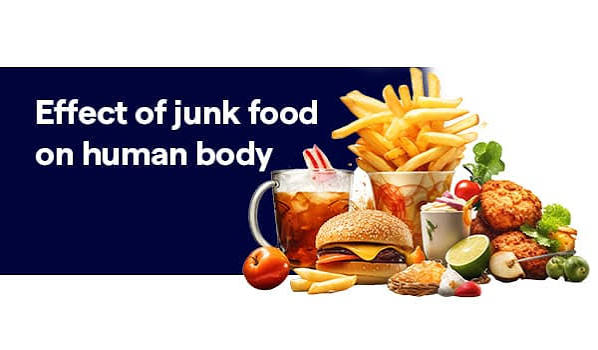
Common Examples of Junk Food
Why Is Junk Food So Popular?
Junk food is popular for many reasons.
Convenient
It requires little or no preparation, making it perfect for busy lifestyles.
Affordable
Many fast-food meals and packaged snacks are inexpensive and widely available.
Great Taste
Manufacturers use a combination of sugar, salt, and fat to create flavors that many people find highly enjoyable.
Attractive Advertising
Colorful packaging and marketing often make junk food especially appealing to children and teenagers.
Easy Availability
Junk food is available almost everywhere, including restaurants, supermarkets, schools, vending machines, and convenience stores.
Nutritional Problems with Junk Food
Although junk food fills your stomach, it often lacks the nutrients your body needs.
High in Calories
Many junk foods contain a large number of calories in small portions, making it easy to consume more energy than your body needs.
Too Much Sugar
Sugary foods and drinks can cause rapid increases in blood sugar and contribute to obesity, tooth decay, and type 2 diabetes.
High in Salt
Excess sodium may increase blood pressure and raise the risk of heart disease and stroke.
Unhealthy Fats
Many fried and processed foods contain saturated fats or trans fats, which can increase bad cholesterol (LDL) and reduce good cholesterol (HDL).
Low in Fiber
Most junk foods contain very little fiber, which is important for healthy digestion and helps you feel full.
Diseases caused by junk food
Weight Gain and Obesity
Junk food is often high in calories but low in nutrients. Eating it regularly can lead to weight gain and obesity, increasing the risk of many health problems.
Heart Disease
Foods high in unhealthy fats and sodium can damage blood vessels, raise cholesterol, and increase the risk of heart attacks and strokes.
Type 2 Diabetes
Sugary foods and drinks can contribute to insulin resistance and increase the risk of developing type 2 diabetes.
High Blood Pressure
Eating too much salty food can cause blood pressure to rise, putting extra strain on the heart.
Digestive Problems
Because junk food contains little fiber, frequent consumption may cause constipation and poor digestive health.
Tooth Decay
Sugary snacks and soft drinks feed harmful bacteria in the mouth, increasing the risk of cavities and gum disease.
Low Energy
Although junk food provides quick energy from sugar, it is often followed by a sudden drop in energy, leaving you feeling tired and hungry again.
Poor Skin Health
A diet high in processed foods and sugary drinks may contribute to acne and dull-looking skin in some people.
How Junk Food Affects Children
Children who regularly eat junk food may experience:
-
- Weight gain
-
- Poor eating habits
-
- Reduced concentration
-
- Lower physical fitness
-
- Tooth decay
-
- Increased risk of obesity later in life
Providing healthy meals and nutritious snacks helps children grow and develop properly.
Healthy Alternatives to Junk Food
Instead of reaching for unhealthy snacks, try these nutritious options:
-
- Fresh fruits
-
- Vegetable sticks with hummus
-
- Unsalted nuts
-
- Plain popcorn
-
- Whole-grain sandwiches
-
- Yogurt with fruit
-
- Oatmeal
-
- Homemade smoothies
-
- Boiled eggs
-
- Roasted chickpeas
These foods provide vitamins, minerals, fiber, and protein that support overall health.
Benefits of Choosing Healthy Foods
Replacing junk food with healthier meals can offer many benefits:
-
- Better heart health
-
- Improved digestion
-
- Healthy weight management
-
- More energy throughout the day
-
- Stronger immune system
-
- Better concentration
-
- Healthier skin
-
- Reduced risk of diabetes
-
- Lower blood pressure
-
- Improved overall well-being.
Can You Eat Junk Food Occasionally?
Yes. Enjoying junk food once in a while is generally fine for most healthy people. The key is moderation. A balanced diet should mainly include fruits, vegetables, whole grains, lean proteins, healthy fats, and plenty of water. Occasional treats can fit into a healthy lifestyle when combined with regular physical activity.
Conclusion
Junk food is convenient and delicious, but eating it too often can have serious effects on your health. It is usually high in calories, sugar, salt, and unhealthy fats while lacking the nutrients your body needs. Regular consumption can increase the risk of obesity, heart disease, diabetes, high blood pressure, and digestive problems. By making healthier food choices, eating fresh and nutritious meals, and enjoying junk food only in moderation, you can protect your health and enjoy a more active, energetic, and balanced life.