

Introduction
Push-ups are one of the exercises that people of all fitness levels can do. They do not need any equipment can be done anywhere and help build strength in the upper body and core. Whether you are just starting your fitness journey or have years of experience adding push-ups to your workout routine can improve your health and physical performance.
What Is a Push-Up?
A push-up is an exercise where you lower your body toward the floor by bending your arms and then push yourself back up to the starting position. It mainly works the chest, shoulders and triceps while also engaging the core back and leg muscles to keep the body stable.
Push-ups use muscle groups at the same time so they are considered a compound exercise. They improve both strength and endurance without the need for expensive gym equipment. Push-ups are great for building strength.
Muscles Worked During Push-Ups
Push-ups target muscles throughout the body making them a complete upper-body exercise. The primary muscles include:
* Chest muscles
* Shoulder muscles
* Triceps
The supporting muscles include:
* Core muscles
* Lower back
* Upper
* Glutes
* Leg muscles
These muscles work together to keep the body balanced and stable during each repetition of push-ups.
Benefits of Push-Up Exercise
1. Builds Upper Body Strength
Push-ups strengthen the chest, shoulders and arms. Performing push-ups regularly increases power and endurance making daily activities easier. You can do push-ups anywhere.
2. Improves Core Stability
A push-up requires the abdominal muscles to stay tight throughout the movement. This helps strengthen the core and improves balance and posture. Good posture is important.
3. Requires No Equipment
One of the advantages of push-ups is that they can be performed anywhere. You only need floor space making them ideal for home workouts and travel.
4. Supports Better Posture
Strong chest, shoulder and back muscles help maintain posture. Push-ups improve muscle balance reducing the risk of posture caused by prolonged sitting.
5. Burns Calories
Although push-ups are primarily a strength exercise they also increase heart rate and energy expenditure helping burn calories during workouts.
6. Improves Functional Fitness
The pushing movement used in push-ups is similar to everyday activities such as pushing doors lifting objects and getting up from the floor. This makes daily tasks easier and safer.
7. Increases Bone Strength
Weight-bearing exercises like push-ups place stress on bones helping maintain bone density and supporting long-term bone health.
8. Boosts Mental Confidence
As your strength improves and you perform repetitions of push-ups, your confidence and motivation naturally increase, encouraging a more active lifestyle.
How to Perform a Push-Up
Following the correct technique is important to maximize results and prevent injuries.
Step 1: Starting Position
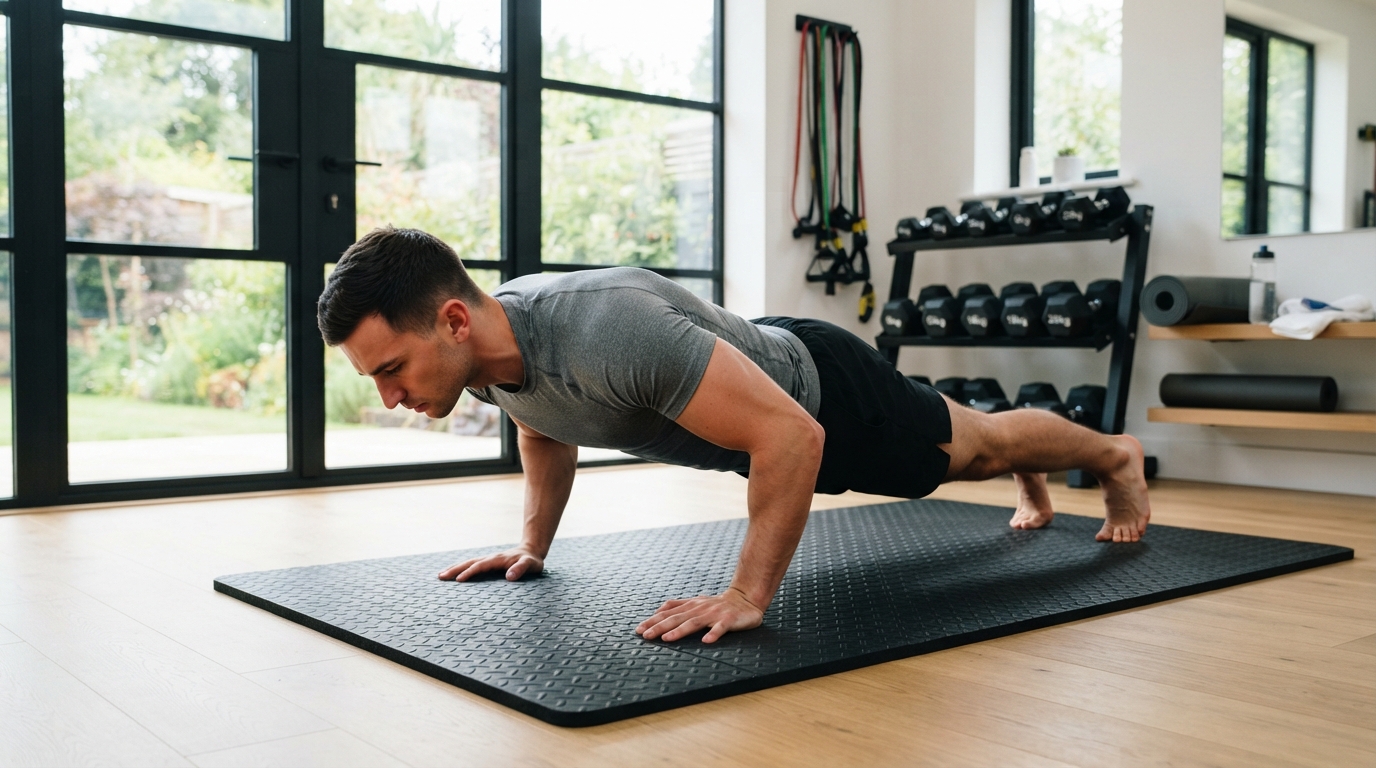
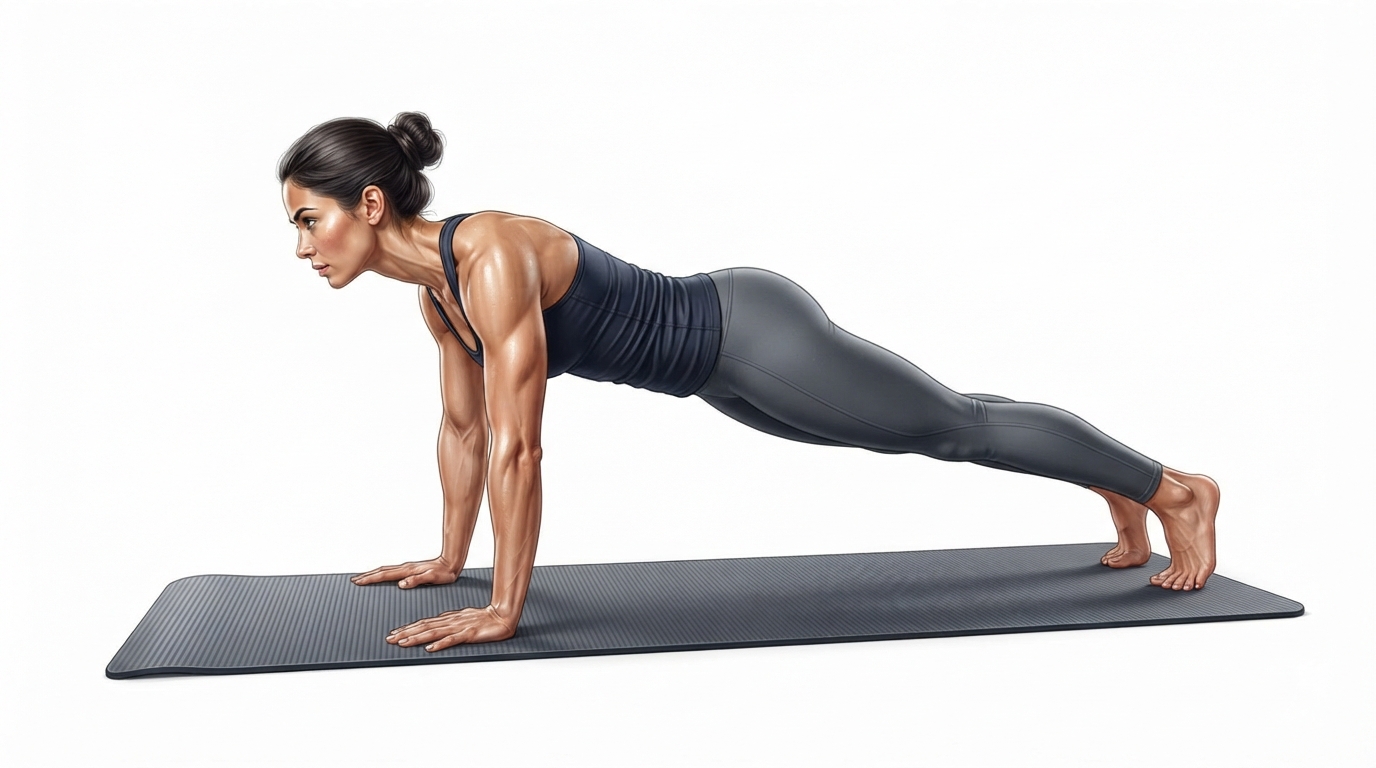
Place your hands wider than shoulder-width apart on the floor. Extend your legs behind you. Support your body on your toes. Keep your body in a line from your head to your heels.
Step 2: Engage Your Core
Tighten your muscles and squeeze your glutes. Avoid letting your hips sag or rise too high.
Step 3: Lower Your Body
Slowly bend your elbows. Lower your chest toward the floor. Keep your elbows at about a 45-degree angle from your body.
Step 4: Push Up
Press through your palms. Straighten your arms until you return to the starting position.
Step 5: Repeat
Continue performing repetitions of push-ups while maintaining form and controlled movement.
Common Mistakes to Avoid
Many beginners make mistakes that reduce the effectiveness of the exercise.
Avoid these errors:
* Letting the hips sag toward the floor.
* Raising the hips too high.
* Looking ahead instead of keeping the neck neutral.
* Flaring the elbows out wide.
* Performing uncontrolled repetitions.
* Not lowering the body enough.
* Holding your breath during the movement.
Correct technique is more important than completing a number of repetitions of push-ups.
.
Push-Up Variations
Different push-up variations allow people of all fitness levels to progress safely.
Wall Push-Up
Ideal for beginners. Perform the exercise while standing against a wall. Wall push-ups are easy.
Incline Push-Up
Place your hands on a bench, table or sturdy platform. This variation is easier than a push-up.
Knee Push-Up
Keep your knees on the floor while maintaining a line from your shoulders to your knees. This reduces the amount of body weight being lifted.
Standard Push-Up
The classic version performed on the floor using your hands and toes. Standard push-ups are great.
Wide Push-Up
Place your hands apart to increase the emphasis on the chest muscles.
Diamond Push-Up
Position your hands close together under your chest to target the triceps intensely.
Decline Push-Up
Elevate your feet on a bench. Step to increase difficulty and place greater emphasis on the upper chest and shoulders.
Breathing Technique
Proper breathing helps improve performance and reduces fatigue.
* Inhale while lowering your body during push-ups.
* Exhale while pushing yourself up.
Avoid holding your breath during the exercise.
Beginner Workout Plan
If you are new to push-ups begin slowly. Focus on good form.
Week 1–2
* 3 sets of 5–8 repetitions of push-ups
Week 3–4
* 3 sets of 8–12 repetitions of push-ups
Rest for 60 to 90 seconds between sets. As your strength improves, increase the number of repetitions of push-ups or try more challenging variations.
Safety Tips
To stay safe while performing push-ups:
* Warm up before exercising.
* Maintain a body position.
* Perform controlled movements.
* Stop immediately if you feel pain.
*Allow muscles to recover between workouts.
* Stay hydrated during exercise.
If you have shoulder, wrist or elbow injuries consult a healthcare before beginning a new exercise routine.
Conclusion
Push-ups are one of the most effective exercises for improving overall fitness. They strengthen the chest, shoulders, arms and core while enhancing posture, endurance and functional movement. Since they require no equipment push-ups are suitable for home workouts, outdoor training and gym routines alike.
The key to success is consistency and proper technique, than performing a large number of repetitions of push-ups. Beginners should start with variations gradually progress to standard push-ups and challenge themselves over time. When practiced regularly push-ups can become a part of a healthy lifestyle helping you build strength improve confidence and support long-term physical fitness.