

Introduction
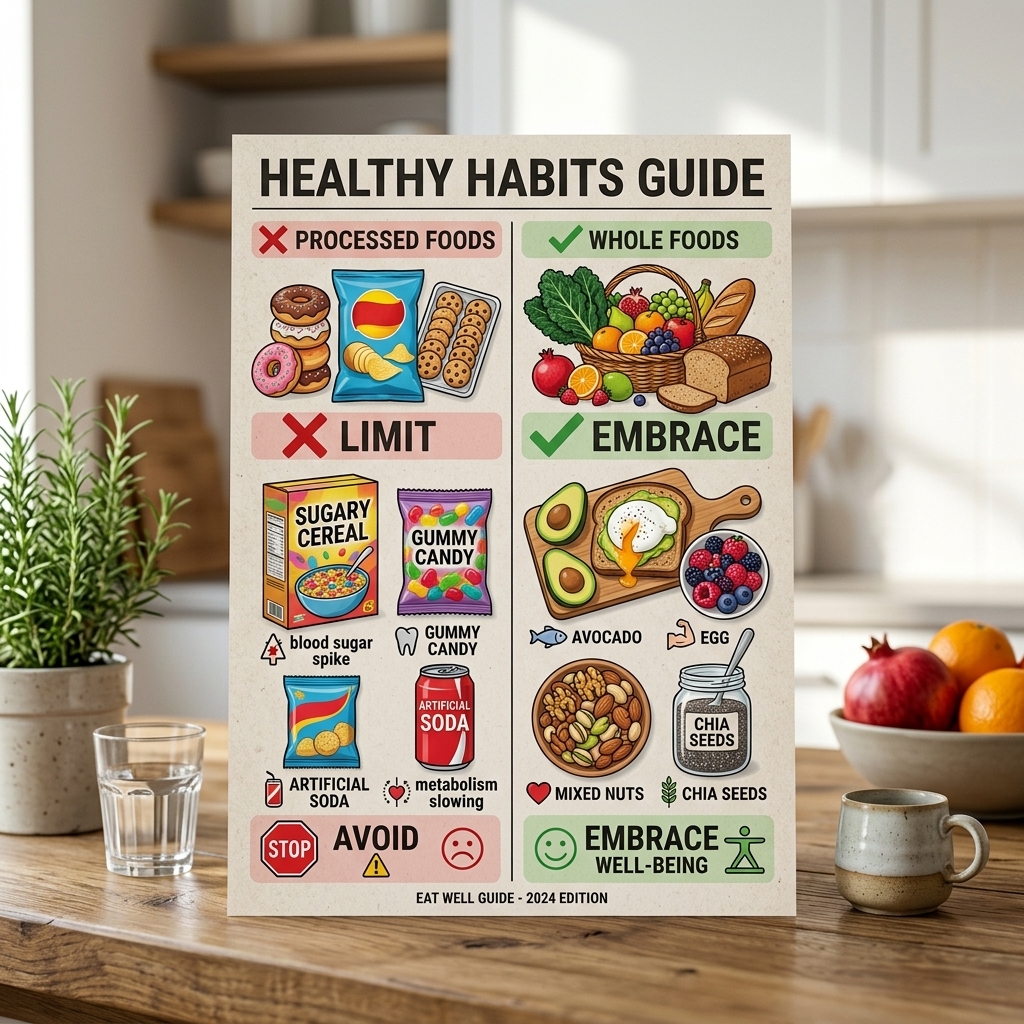
Packaged snacks are one of the most common foods people eat every day. Whether you’re at school, work, traveling, or relaxing at home, it’s easy to grab a packet of chips, biscuits, crackers, or instant noodles because they’re quick, tasty, and convenient. They don’t need much preparation and are available almost everywhere.
However, eating packaged snacks too often can affect your health. Many of these foods are high in salt, sugar, unhealthy fats, and artificial additives while being low in important nutrients like fiber, vitamins, and minerals. This doesn’t mean you have to avoid packaged snacks completely, but it’s important to eat them in moderation and choose healthier options whenever possible.
What Are Packaged Snacks?
Packaged snacks are foods that are sealed in packets, boxes, or containers to keep them fresh and make them easy to store. They are usually ready to eat or require very little preparation.
These snacks are popular because they save time and are easy to carry. Students often pack them in lunch boxes, office workers keep them at their desks, and many people enjoy them while watching TV or traveling.
Common Examples of Packaged Snacks
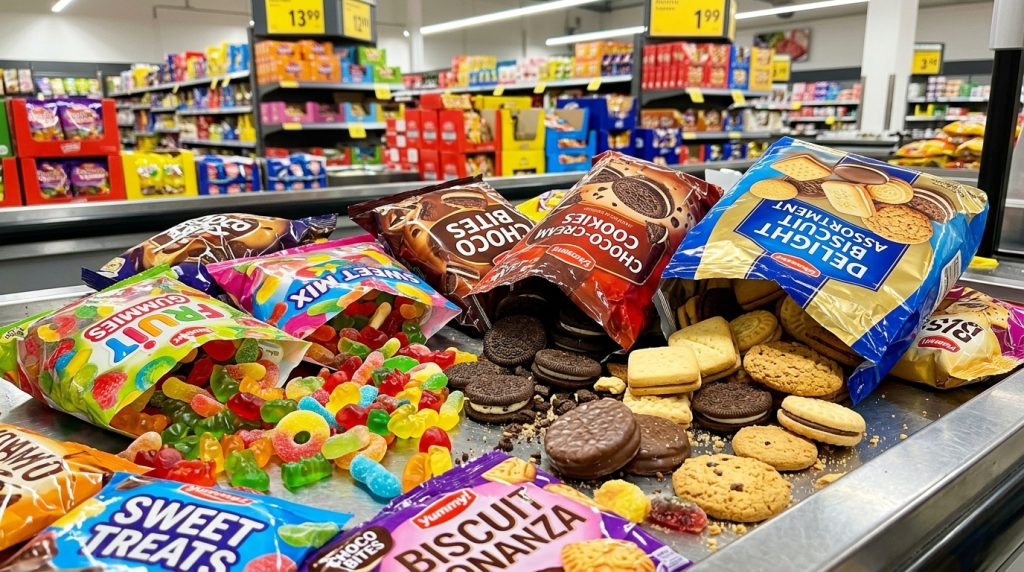
Some popular packaged snacks include:
- Potato chips
- Corn chips
- Cheese puffs
- Crackers
- Biscuits and cookies
- Instant noodles
- Chocolate bars
- Candy
- Popcorn with added butter or cheese flavor
- Salted peanuts
- Flavored nuts
- Granola bars
- Packaged cakes and muffins
- Sweet pastries
- Rice snacks
Although these snacks taste good, many are heavily processed and contain ingredients that should be eaten in limited amounts.
Why Are Packaged Snacks So Popular?
Several reasons explain why packaged snacks are commonly consumed:
Convenience
They are ready to eat and require little or no preparation.
Long Shelf Life
Packaging and preservatives allow them to remain fresh for weeks or months.
Affordable
Many packaged snacks are inexpensive and widely available.
Variety
There are hundreds of flavors, sizes, and types to suit different preferences.
Taste
Manufacturers carefully balance salt, sugar, and fat to create highly appealing flavors.
Easy to Carry
Small packets fit easily into school bags, office bags, or lunch boxes.
Nutritional Content of Packaged Snacks
Many packaged snacks contain:
High Sodium
Salt is added to improve flavor and preserve freshness.
Too much sodium may:
- Increase blood pressure
- Cause water retention
- Raise the risk of heart disease
- Increase stroke risk
Added Sugar
Many sweet snacks contain refined sugar or high-fructose corn syrup.
Excess sugar may contribute to:
- Weight gain
- Tooth decay
- Type 2 diabetes
- Fatty liver disease
- Increased calorie intake
Unhealthy Fats
Many processed snacks contain saturated fats or trans fats.
These fats may:
- Increase bad (LDL) cholesterol
- Lower good (HDL) cholesterol
- Increase heart disease risk
- Promote inflammation
Refined Flour
Many biscuits, crackers, and snack foods are made with refined white flour.
Refined flour contains less fiber and fewer nutrients than whole grains.
Artificial Additives
Manufacturers often include:
- Artificial colors
- Artificial flavors
- Flavor enhancers
- Preservatives
- Sweeteners
- Stabilizers
These ingredients improve taste and shelf life but usually provide no nutritional benefit.
Health Effects of Eating Too Many Packaged Snacks
Eating packaged snacks occasionally is usually fine, but making them a daily habit can have negative effects on your health.
Weight Gain
Many packaged snacks are high in calories but low in fiber. Because they don’t keep you full for long, it’s easy to eat more than you need, which may lead to weight gain.
High Blood Pressure
Snacks that contain a lot of salt can increase blood pressure over time. High blood pressure is a major risk factor for heart disease and stroke.
Heart Disease
Regularly eating foods high in unhealthy fats and sodium can increase cholesterol levels and damage blood vessels, increasing the risk of heart disease.
Type 2 Diabetes
Sugary snacks can cause frequent spikes in blood sugar. Over time, this may increase the risk of insulin resistance and type 2 diabetes.
Poor Digestion
Many processed snacks contain very little fiber, which is important for healthy digestion. A low-fiber diet can lead to constipation and digestive discomfort.
Tooth Decay
Sugary snacks feed bacteria in the mouth, which produce acids that damage tooth enamel and increase the risk of cavities.
Lack of Important Nutrients
If packaged snacks replace healthy meals or fresh foods, your body may not get enough vitamins, minerals, protein, and fiber needed for good health.
How to Choose Healthier Packaged Snacks
Not every packaged snack is unhealthy. Some are made with better ingredients and can fit into a balanced diet.
When shopping, try to choose snacks that:
- Are low in added sugar
- Contain less sodium
- Have little or no trans fat
- Include whole grains
- Are high in fiber
- Provide protein from nuts, seeds, or legumes
- Have a short and simple ingredient list
Reading the nutrition label before buying can help you make healthier choices.
Healthy Alternatives
Instead of eating processed snacks every day, try healthier options such as:
- Fresh fruits like apples, bananas, oranges, and grapes
- Mixed nuts and seeds
- Roasted chickpeas
- Homemade popcorn without extra butter
- Plain yogurt with fruit
- Carrot and cucumber sticks
- Boiled eggs
- Whole-grain crackers
- Homemade sandwiches
- Fresh smoothies without added sugar
These foods provide more vitamins, minerals, fiber, and healthy fats while keeping you full for longer.
Tips to Reduce Packaged Snack Consumption
- Eat regular, balanced meals to avoid unnecessary snacking.
- Carry healthy snacks when traveling or working.
- Drink water instead of sugary drinks.
- Avoid eating directly from large packets.
- Choose smaller serving sizes.
- Keep fruits and healthy snacks easily available at home.
- Read food labels before purchasing.
- Treat packaged snacks as an occasional snack rather than a daily habit.
Are All Packaged Snacks Bad?
No. Some packaged snacks can be part of a healthy diet if chosen carefully and eaten in moderation. Whole-grain crackers, unsalted nuts, plain popcorn, and low-sugar snack bars are generally healthier than chips, candies, and sugary biscuits.
The key is balance. Fresh fruits, vegetables, whole grains, lean proteins, and homemade snacks should make up most of your daily diet, while packaged snacks should be enjoyed only occasionally.
Conclusion
Packaged snacks are convenient, tasty, and easy to find, but many contain high amounts of salt, sugar, unhealthy fats, and artificial ingredients. Eating them too often can increase the risk of obesity, high blood pressure, heart disease, diabetes, and poor overall health. By choosing healthier snacks, reading nutrition labels, and eating processed foods in moderation, you can enjoy occasional treats while protecting your long-term health. Small changes in your daily eating habits can make a big difference in keeping your body healthy and energetic.