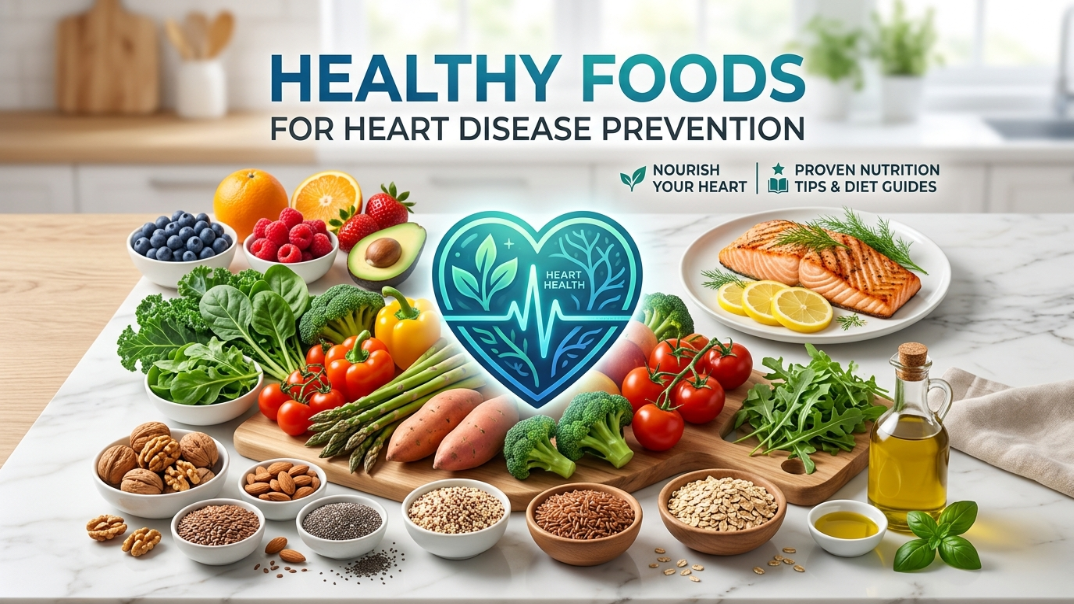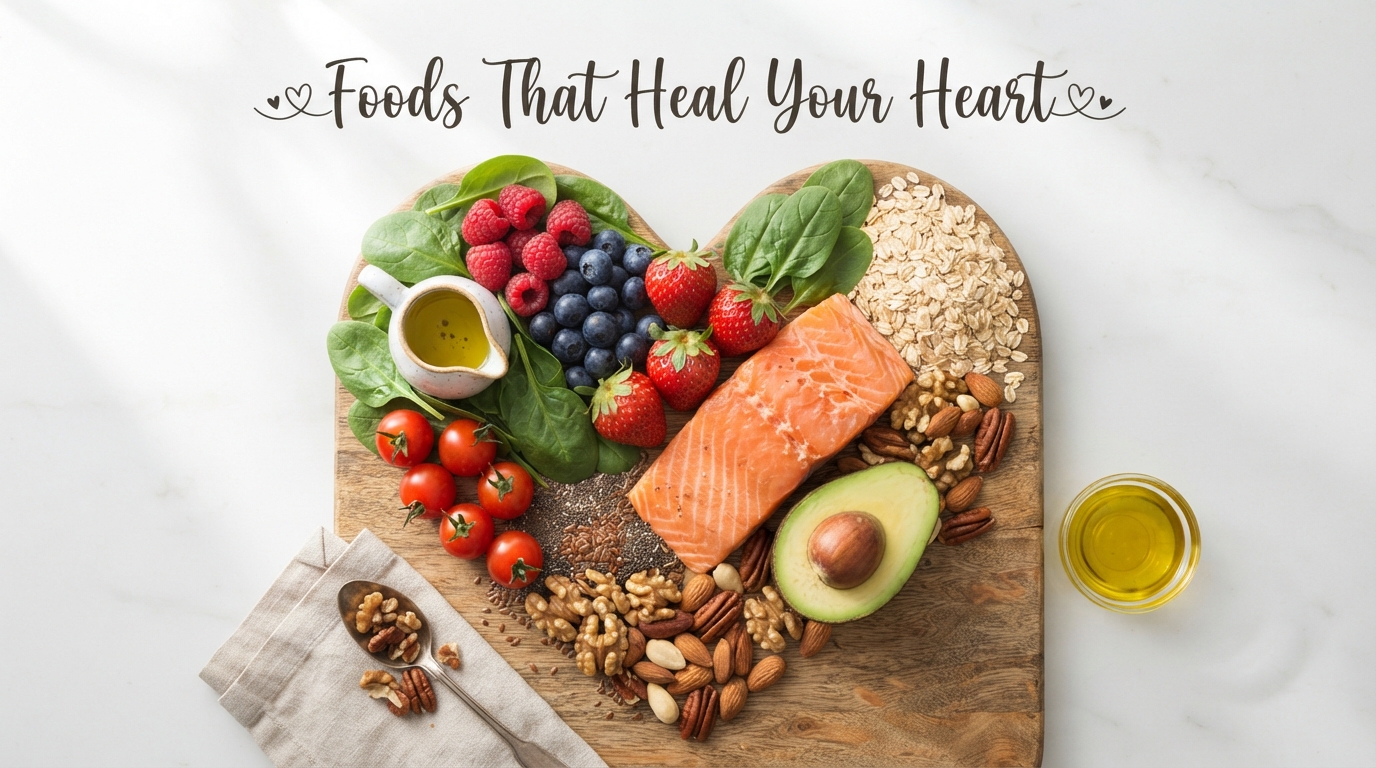
Healthy foods for Heart Diseases
Introduction
The heart is one of the most important organs in the human body. It works continuously to pump blood, oxygen, and nutrients to every part of the body. When the heart becomes weak or unhealthy, it can lead to serious health problems such as heart attack, stroke, high blood pressure, and heart failure. Heart disease is one of the leading causes of death worldwide, but the good news is that many heart diseases can be prevented or managed through healthy lifestyle choices.
One of the most effective ways to keep your heart healthy is by eating nutritious foods. A balanced diet helps reduce bad cholesterol (LDL), maintain healthy blood pressure, control blood sugar, reduce inflammation, and improve overall heart function. Choosing the right foods every day can significantly lower the risk of heart disease.
This article explains the best healthy foods for heart disease, their nutritional benefits, and simple tips for maintaining a heart-friendly diet.
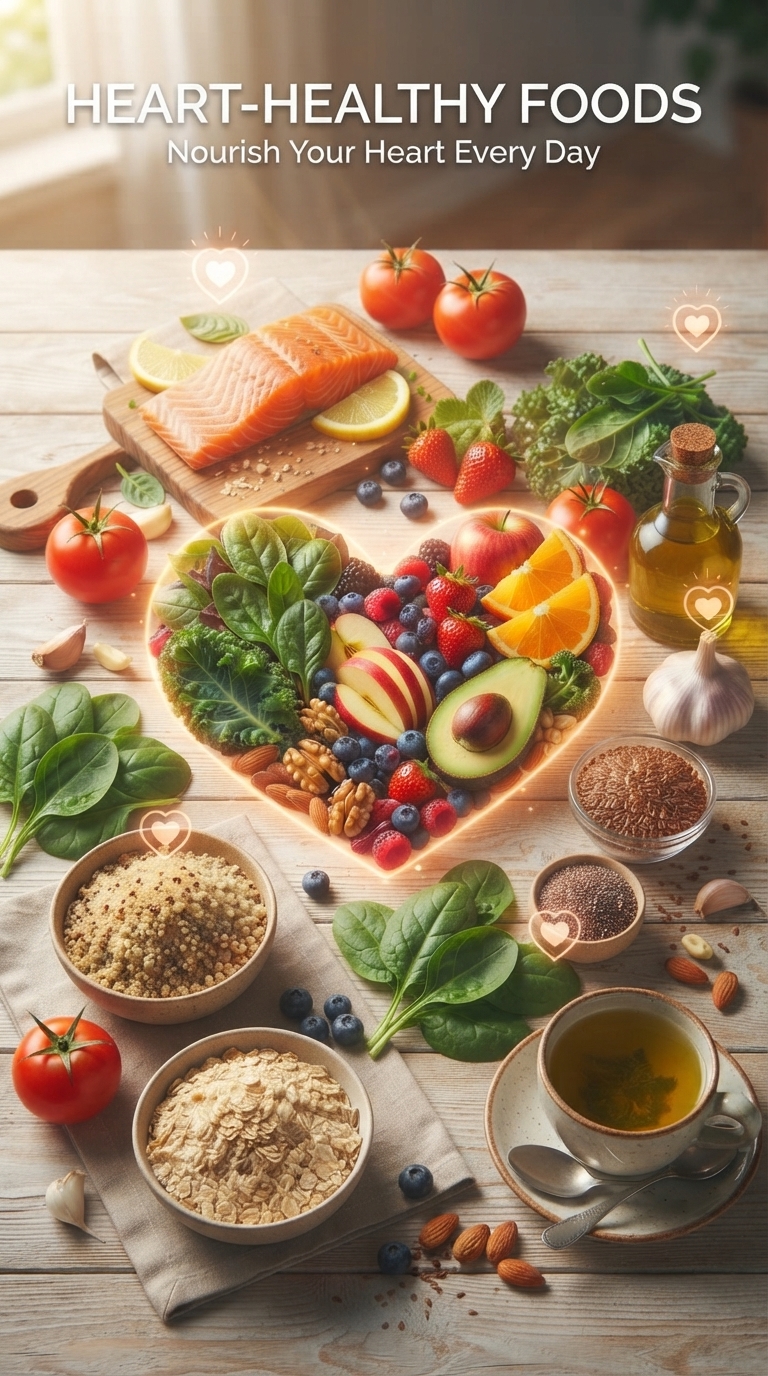
Why Diet Matters for Heart Health ?
The food you eat directly affects your heart. Foods high in unhealthy fats, sugar, and sodium can increase cholesterol levels, blood pressure, and body weight. These factors increase the risk of heart disease.
On the other hand, foods rich in fiber, healthy fats, vitamins, minerals, and antioxidants protect the heart by:
- Lowering bad cholesterol (LDL)
- Increasing good cholesterol (HDL)
- Controlling blood pressure
- Reducing inflammation
- Improving blood circulation
- Maintaining healthy body weight
- Supporting healthy blood vessels
Eating heart-friendly foods every day is one of the simplest and most effective ways to improve cardiovascular health.
Best Healthy Foods for Heart Disease....
1. Leafy Green Vegetables
Leafy vegetables such as spinach, kale, mustard greens, cabbage, and lettuce are packed with vitamins, minerals, and antioxidants.
Nutritional Benefits
- Rich in Vitamin A, C, K
- High in dietary fiber
- Contains potassium and magnesium
- Low in calories
Heart Benefits
- Helps lower blood pressure
- Improves blood circulation
- Reduces inflammation
- Supports healthy arteries
Aim to eat at least one serving of leafy vegetables every day.
2. Whole Grains
Whole grains contain all parts of the grain, making them much healthier than refined grains.
Examples include:
- Oats
- Brown rice
- Whole wheat
- Barley
- Millet
- Quinoa
Nutritional Benefits
- High fiber
- B vitamins
- Iron
- Magnesium
Heart Benefits
- Lowers cholesterol
- Helps control blood sugar
- Reduces risk of heart attack
- Keeps you full for longer
Replacing white rice and white bread with whole grains is a healthy choice.
Foods to Avoid for Better Heart Health....
Limiting unhealthy foods is just as important as eating healthy ones.
Avoid or reduce:
- Fried foods
- Fast food
- Processed meats
- Sugary drinks
- Cakes and pastries
- Chips
- Excess salt
- Butter
- Ghee in large amounts
- Processed snacks
- Foods containing trans fats
These foods can increase cholesterol, blood pressure, and the risk of heart disease.
Healthy Lifestyle Tips for Heart Disease...
A heart-healthy diet works best when combined with healthy habits.
- Exercise for at least 30 minutes most days of the week.
- Maintain a healthy body weight.
- Avoid smoking and tobacco products.
- Limit alcohol consumption.
- Manage stress through meditation, yoga, or deep breathing.
- Get 7–9 hours of quality sleep each night.
- Drink plenty of water throughout the day.
- Have regular health checkups to monitor blood pressure, cholesterol, and blood sugar.

Benefits of Eating Heart-Healthy Foods..
Following a heart-friendly diet can:
- Lower bad cholesterol (LDL)
- Increase good cholesterol (HDL)
- Reduce blood pressure
- Improve blood circulation
- Lower the risk of heart attack and stroke
- Help maintain a healthy weight
- Control diabetes
- Increase energy levels
- Support overall health and longevity
Conclusion
Heart disease can affect anyone, but many cases are preventable through healthy lifestyle choices. A balanced diet rich in vegetables, fruits, whole grains, nuts, seeds, fish, legumes, and healthy fats provides the nutrients your heart needs to function properly. At the same time, reducing processed foods, sugary drinks, excess salt, and unhealthy fats helps protect your cardiovascular system.
Small, consistent changes in your daily eating habits can make a significant difference over time. Combined with regular exercise, adequate sleep, stress management, and routine medical checkups, a heart-healthy diet can improve your quality of life and reduce the risk of serious heart-related conditions. Remember, every healthy meal is an investment in a stronger and healthier heart.