

Introduction
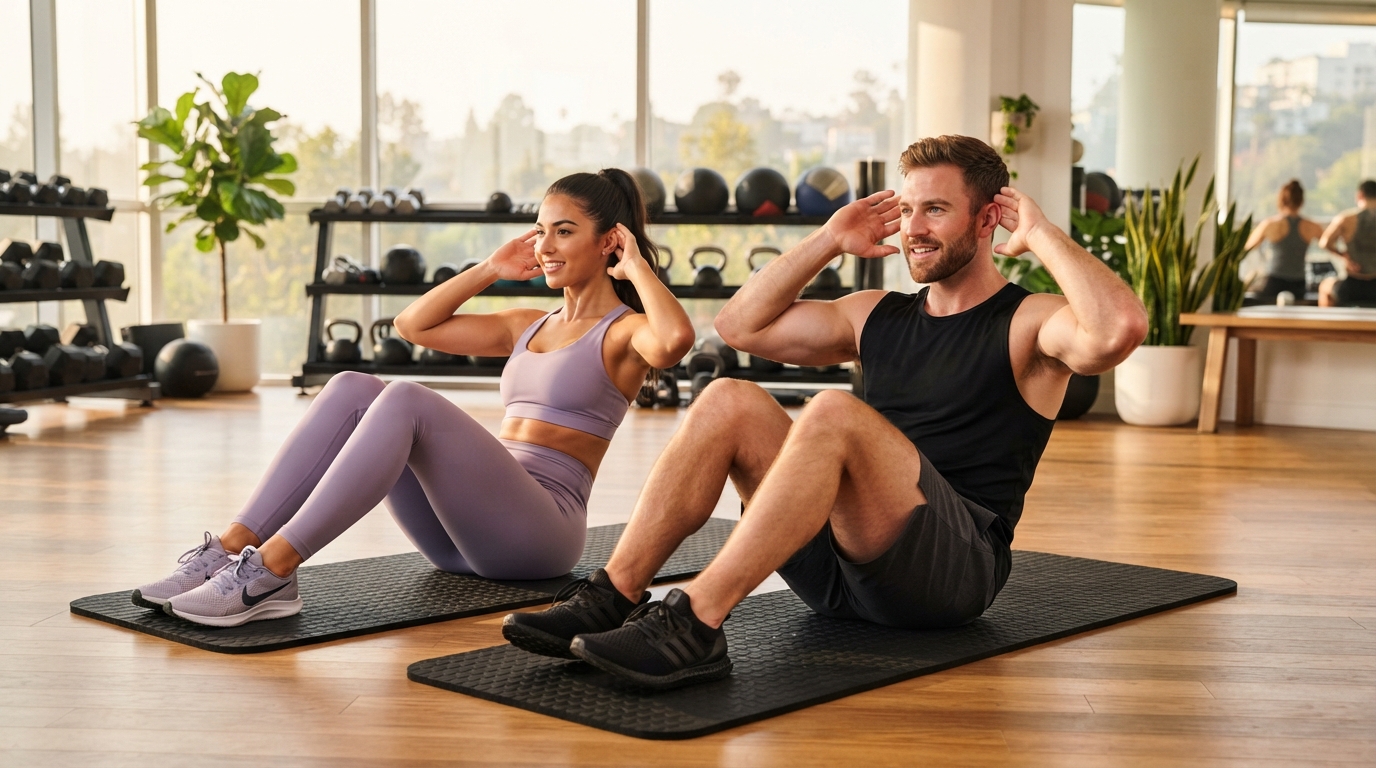
The sit-up is one of the most popular bodyweight exercises for strengthening the core. It has been a part of fitness routines for decades because it is simple to perform, requires no expensive equipment, and can be done almost anywhere. Whether you are working out at home, in a gym, or while traveling, sit-ups can easily fit into your exercise routine.
A strong core does much more than improve the appearance of your abdominal muscles. It helps support your spine, improves posture, enhances balance, and makes everyday activities easier. From lifting heavy objects to playing sports, your core muscles are involved in almost every movement your body makes.
Although the sit-up is a basic exercise, using the correct technique is important. Poor form can reduce the benefits and increase the risk of neck or lower back discomfort. When performed properly and combined with other strength and cardio exercises, sit-ups can contribute to better overall fitness and long-term health.
In this guide, you’ll learn what sit-ups are, the different variations, their health and fitness benefits, and how to perform them safely and effectively.
What Is Sit-up Exercise?
The sit-up is a bodyweight core exercise that primarily targets the abdominal muscles. It involves lying on your back with your knees bent and feet on the floor, then lifting your upper body toward your knees before lowering yourself back down in a controlled manner.
Sit-ups are considered a compound core exercise because they engage several muscle groups at once, including the abdominal muscles, hip flexors, and lower back muscles.
Unlike exercises that require machines or weights, sit-ups rely on your own body weight, making them an excellent option for beginners and experienced fitness enthusiasts alike.
People commonly include sit-ups in their workouts to:
- Build core strength
- Improve abdominal muscle definition
- Support better posture
- Increase stability and balance
- Enhance athletic performance
- Improve overall functional fitness
Because they require very little space or equipment, sit-ups are one of the easiest exercises to perform consistently.
Types of Sit-up
There are several variations of the sit-up that target your core from different angles and help keep your workouts interesting.
1. Basic Sit-up
This is the traditional version of the exercise and is ideal for beginners.
Benefits
- Builds core strength
- Easy to learn
- Requires no equipment
- Suitable for home workouts
2. Crunch Sit-up
A crunch involves lifting only the shoulders and upper back off the floor instead of sitting all the way up.
Benefits
- Places less stress on the lower back
- Focuses more directly on the abdominal muscles
- Suitable for beginners
3. Bicycle Sit-up
The bicycle sit-up combines a twisting movement with alternating knee lifts.
Benefits
- Targets the oblique muscles
- Improves coordination
- Engages multiple core muscles
- Burns more calories than standard sit-ups
4. Decline Sit-up
This variation is performed on a decline bench, increasing the challenge.
Benefits
- Greater resistance
- Builds stronger abdominal muscles
- Improves core endurance
5. Weighted Sit-up
Hold a weight plate or dumbbell against your chest while performing the exercise.
Benefits
- Increases muscle strength
- Promotes muscle growth
- Improves overall core power
6. Stability Ball Sit-up
Using a stability ball increases the range of motion and activates stabilizing muscles.
Benefits
- Improves balance
- Increases flexibility
- Engages deeper core muscles
Health Benefits of Sit-up Exercise
Sit-ups provide more than just stronger abdominal muscles. Regular practice can support your overall health and fitness.
Strengthens the Core
The main benefit of sit-ups is stronger abdominal muscles. A strong core supports nearly every movement you make, from walking and lifting to running and climbing stairs.
Supports Better Posture
Weak core muscles often contribute to poor posture. Sit-ups strengthen the muscles that help keep your spine properly aligned, making it easier to sit and stand with good posture.
Improves Balance and Stability
A strong core improves your body’s balance and stability, reducing the risk of falls and making everyday activities easier.
Enhances Athletic Performance
Athletes in sports such as football, basketball, tennis, swimming, and martial arts rely on core strength for better performance. Sit-ups help improve body control, power, and coordination.
Encourages Daily Physical Activity
Since sit-ups are quick and convenient, they make it easier to build a regular exercise habit. Even a short daily workout can improve your overall fitness over time.
May Help Reduce Back Discomfort
When combined with other core-strengthening exercises and proper stretching, sit-ups may help improve core stability and support the lower back. However, people with existing back pain should consult a healthcare professional before adding sit-ups to their routine.
Physical Benefits of Sit-up Exercise
Regular sit-up training provides several physical benefits beyond stronger abs.
Builds Core Strength
The abdominal muscles become stronger and more capable of supporting everyday movements and sports activities.
Improves Muscle Endurance
As you continue practicing sit-ups, your muscles become more resistant to fatigue, allowing you to perform physical tasks for longer periods.
Supports Better Movement
Core strength improves the efficiency of many daily activities, including bending, lifting, reaching, and twisting.
Improves Flexibility
Sit-ups involve controlled movement through the hips and spine, helping maintain mobility when performed with proper technique.
Enhances Body Control
A stronger core improves coordination and makes it easier to maintain good body alignment during exercise and daily activities.
Helps Develop Abdominal Definition
While visible abs depend largely on body fat percentage and nutrition, sit-ups help strengthen and develop the abdominal muscles. Combined with a balanced diet and regular cardio exercise, they can contribute to a more defined midsection.
Complements Full-Body Training
Sit-ups work well alongside exercises such as push-ups, squats, lunges, and planks, creating a balanced workout routine that develops strength throughout the body.
Mental Health Benefits of Sit-up Exercise
Sit-ups are mainly known for strengthening the core, but they can also have a positive effect on mental well-being. Like other forms of exercise, regular sit-up workouts encourage your body to release endorphins, which are natural chemicals that improve mood and reduce stress.
Reduces Stress
Daily exercise helps lower stress levels by giving your mind a break from everyday worries. Even a short core workout can help you feel more relaxed and refreshed.
Improves Mood
Completing a sit-up workout can create a sense of achievement. Over time, regular exercise may help you feel more confident and positive.
Boosts Confidence
As your core becomes stronger and your fitness improves, you may notice better posture, improved performance, and increased self-confidence.
Improves Focus
Exercise increases blood flow throughout the body, including the brain. This may help improve concentration, memory, and mental clarity.
Encourages Healthy Habits
Building a regular sit-up routine often motivates people to adopt other healthy habits, such as eating nutritious meals, staying hydrated, and getting enough sleep.
Calories Burned During Sit-ups
Sit-ups are not a high-calorie-burning exercise like running or cycling, but they still contribute to your daily energy expenditure.
The number of calories burned depends on your:
- Body weight
- Workout intensity
- Number of repetitions
- Workout duration
- Overall fitness level
Estimated Calories Burned
| Body Weight | 10 Minutes | 20 Minutes | 30 Minutes |
|---|---|---|---|
| 60 kg (132 lb) | 40–50 | 80–100 | 120–150 |
| 70 kg (154 lb) | 45–60 | 90–120 | 135–180 |
| 80 kg (176 lb) | 50–70 | 100–140 | 150–210 |
For greater calorie burn, combine sit-ups with cardio exercises such as walking, jogging, cycling, or jump rope.
Proper Sit-up Technique
Correct technique helps you strengthen your core while reducing unnecessary strain on your neck and lower back.
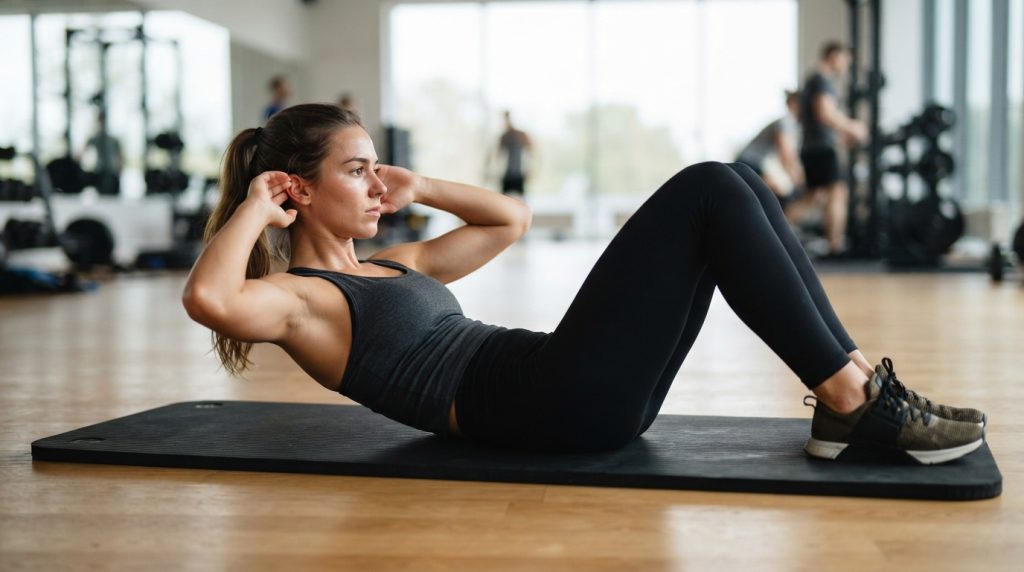
Step 1: Starting Position
- Lie flat on your back.
- Bend your knees.
- Place your feet flat on the floor.
- Keep your feet about hip-width apart.
Step 2: Hand Position
Place your fingertips lightly behind your ears or cross your arms over your chest. Avoid pulling on your neck during the movement.
Step 3: Engage Your Core
Tighten your abdominal muscles before you begin the movement.
Step 4: Lift Your Upper Body
Slowly raise your upper body until your chest moves toward your thighs. Keep the movement controlled.
Step 5: Lower Slowly
Return to the starting position slowly instead of dropping your body quickly. Controlled movements improve muscle activation.
Breathing Tip
- Inhale as you lower your body.
- Exhale as you sit up.
Beginner Sit-up Plan
If you’re new to sit-ups, start slowly and focus on proper form instead of doing a high number of repetitions.
Week 1
- 3 sets
- 8–10 repetitions
- Rest 60 seconds between sets
Week 2
- 3 sets
- 12 repetitions
Week 3
- 4 sets
- 12–15 repetitions
Week 4
- 4 sets
- 15–20 repetitions
As your strength improves, you can add variations such as bicycle sit-ups or weighted sit-ups to increase the challenge.
Common Mistakes
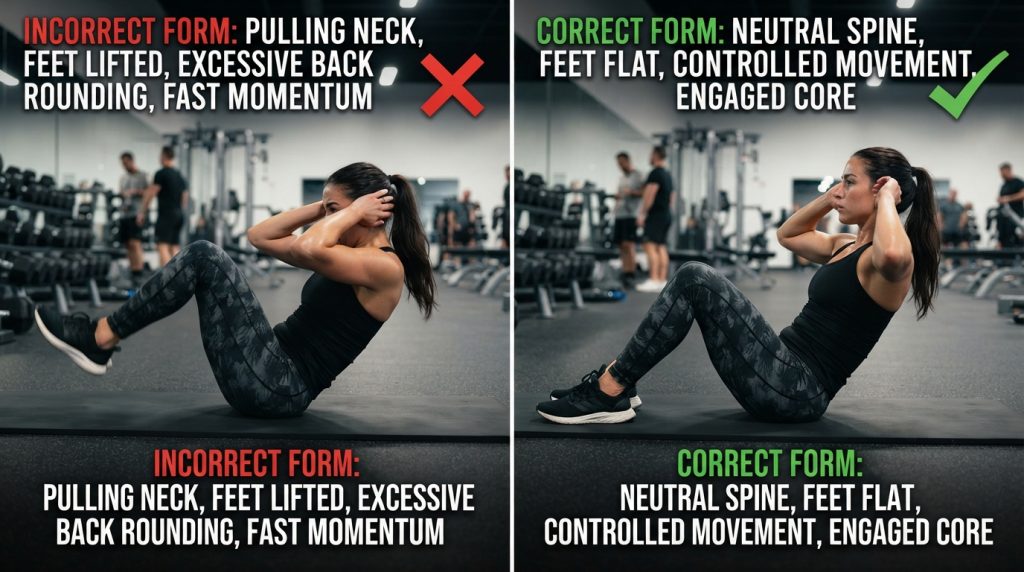
Many people reduce the effectiveness of sit-ups by making simple technique errors.
Pulling the Neck
Using your hands to pull your neck places unnecessary stress on the cervical spine.
Solution
Keep your neck relaxed and let your core muscles do the work.
Using Momentum
Swinging your arms or body to complete the movement reduces muscle engagement.
Solution
Perform each repetition slowly and under control.
Holding Your Breath
Incorrect breathing can reduce performance and increase fatigue.
Solution
Maintain steady breathing throughout each repetition.
Moving Too Fast
Fast repetitions often sacrifice proper form.
Solution
Focus on quality rather than quantity.
Ignoring Warm-Up
Cold muscles are more likely to become strained.
Solution
Spend 5–10 minutes warming up with light cardio and gentle stretching before your workout.
Safety Tips
Stay safe while performing sit-ups by following these simple recommendations:
- Warm up before exercising.
- Use an exercise mat for comfort.
- Keep your movements slow and controlled.
- Stop if you feel sharp pain.
- Stay hydrated.
- Rest if your muscles feel excessively sore.
- Combine sit-ups with exercises that strengthen your back and hips for balanced core development.
- Consult a healthcare professional if you have a history of back or neck problems.
Sit-ups for Weight Loss
Sit-ups alone will not significantly reduce body fat in one specific area. Spot reduction—the idea that exercising one body part burns fat only from that area—is a common myth.
However, sit-ups can still support weight loss by:
- Building lean muscle
- Improving core strength
- Increasing overall activity
- Enhancing workout performance
For effective weight loss:
- Eat a balanced, calorie-controlled diet.
- Include cardio exercises such as walking, jogging, or cycling.
- Perform strength training several times each week.
- Get enough sleep and stay hydrated.
Walking vs Sit-up
| Walking | Sit-up |
|---|---|
| Cardiovascular exercise | Strength exercise |
| Burns more calories | Strengthens the core |
| Improves heart health | Improves abdominal strength |
| Suitable for long-duration workouts | Best for short sets and repetitions |
| Excellent for overall fitness | Excellent for core development |
Both exercises offer unique benefits. Walking improves cardiovascular health and endurance, while sit-ups strengthen the core. Including both in your weekly fitness routine creates a balanced exercise program.
Best Time to Do Sit-ups
There is no perfect time for everyone. The best time is when you can exercise consistently.
Morning
- Boosts energy
- Starts the day actively
- Builds a healthy habit
Afternoon
- Muscles are generally warmer.
- May improve workout performance.
Evening
- Helps relieve daily stress.
- Convenient after work or school.
Choose a time that fits your schedule and allows you to maintain a regular routine.
What to Wear
Wear comfortable clothing that allows free movement.
Recommended clothing includes:
- Moisture-wicking T-shirt
- Stretchable shorts or leggings
- Comfortable athletic shoes (optional for home workouts)
- Exercise mat
- Sweat towel
- Water bottle
Avoid tight clothing that restricts movement.
Frequently Asked Questions (FAQs)
1. Are sit-ups good for beginners?
Yes. Beginners should start with a small number of repetitions and focus on proper technique before increasing the intensity.
2. Can I do sit-ups every day?
You can, but your muscles also need time to recover. Many people benefit from training their core 3–5 times per week, depending on their overall fitness routine.
3. Do sit-ups burn belly fat?
Sit-ups strengthen the abdominal muscles, but they do not burn belly fat by themselves. Fat loss comes from maintaining a calorie deficit through a healthy diet and regular exercise.
4. How many sit-ups should I do each day?
The ideal number depends on your fitness level. Beginners can start with 10–20 repetitions, while more experienced individuals can gradually increase the number over time.
5. Are sit-ups better than crunches?
Both exercises are effective. Sit-ups involve a larger range of motion and engage additional muscles, while crunches place greater emphasis on the abdominal muscles with less hip involvement.
Conclusion
The sit-up remains one of the most practical and effective bodyweight exercises for strengthening the core. It requires no expensive equipment, can be performed almost anywhere, and is suitable for people with different fitness levels when done with proper technique.
A stronger core supports better posture, balance, stability, and overall movement. While sit-ups alone are not enough for weight loss or a complete fitness program, they work exceptionally well when combined with cardio, full-body strength training, proper nutrition, and adequate recovery.
Remember that consistency is more important than performing hundreds of repetitions. Focus on correct form, progress gradually, and listen to your body. By making sit-ups part of a balanced exercise routine, you can improve your core strength, overall fitness, and long-term health.