Introduction
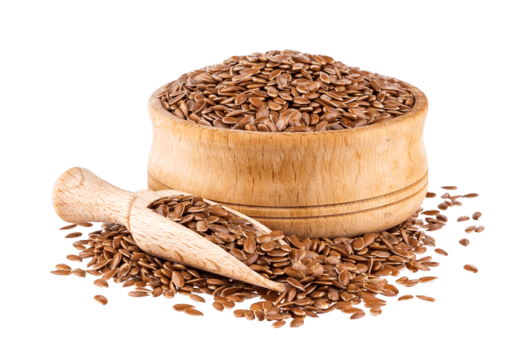
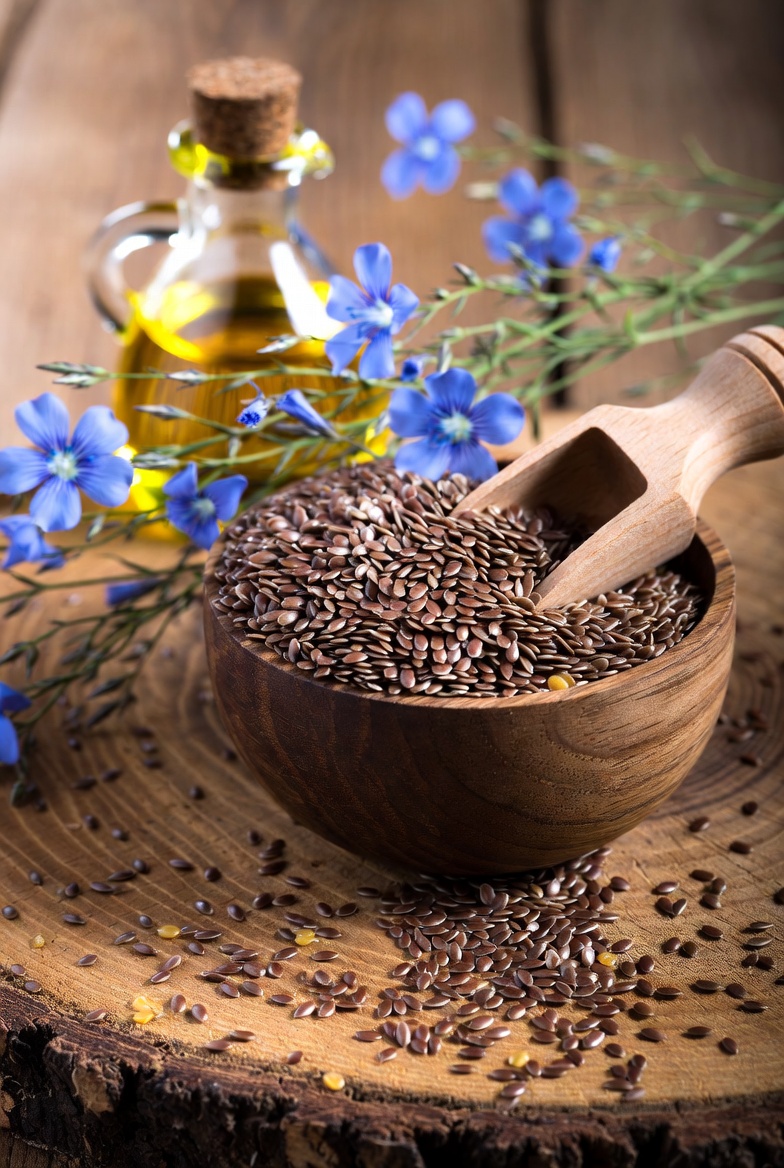
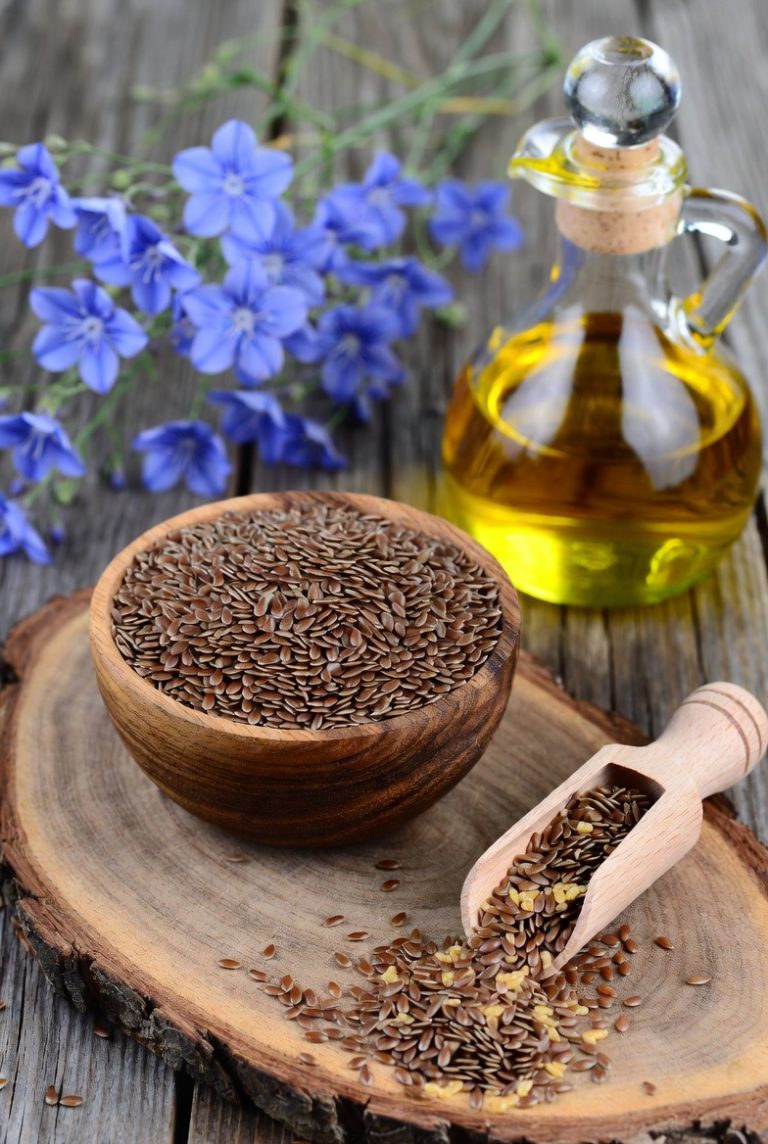
Flaxseed is a small but highly nutritious seed that comes from the flax plant (Linum usitatissimum). It has been grown for thousands of years and is considered one of the oldest cultivated crops in the world. Today, flaxseed is popular because of its many health benefits and is often called a superfood.Flaxseeds are small, flat, and oval-shaped. They are usually brown or golden in color and have a mild, nutty flavor. They can be eaten whole, ground into powder, or used to make flaxseed oil. Many people add flaxseeds to smoothies, yogurt, oatmeal, salads, cereals, baked goods, and soups to increase the nutritional value of their meals.Flaxseed is rich in healthy fats, dietary fiber, protein, vitamins, minerals, and antioxidants. Regular consumption may support heart health, improve digestion, help manage weight, and contribute to overall well-being. However, like any food, it should be consumed in moderation because excessive intake may cause side effects in some people.
Nutrition Components of Flaxseed
Uses of Flaxseed
Advantages (Health Benefits) of Flaxseed
Disadvantages (Possible Side Effects) of Flaxseed