

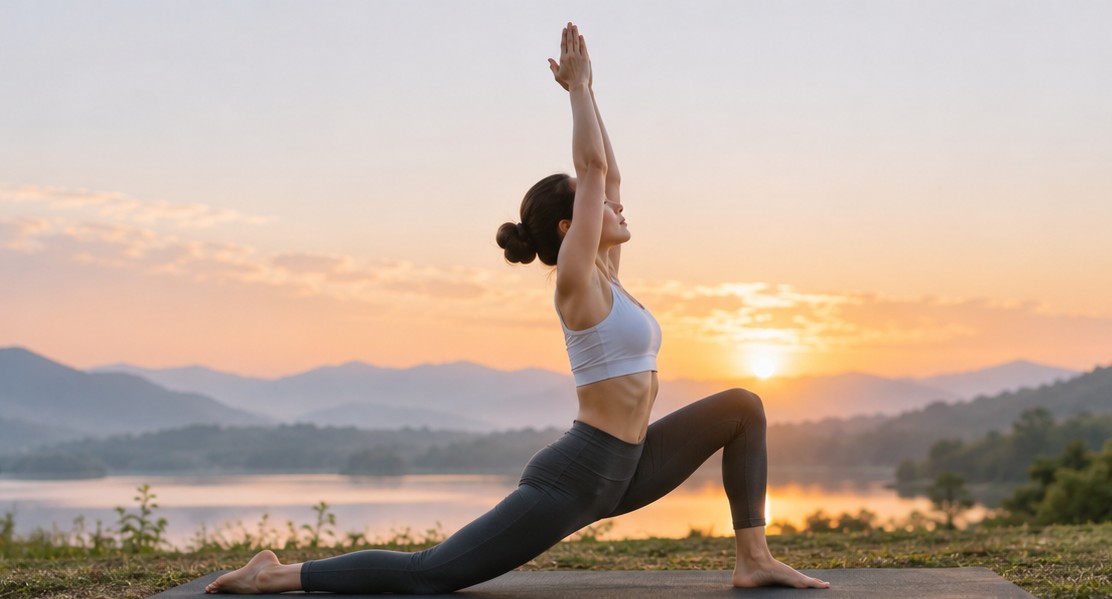
Introduction of Yoga
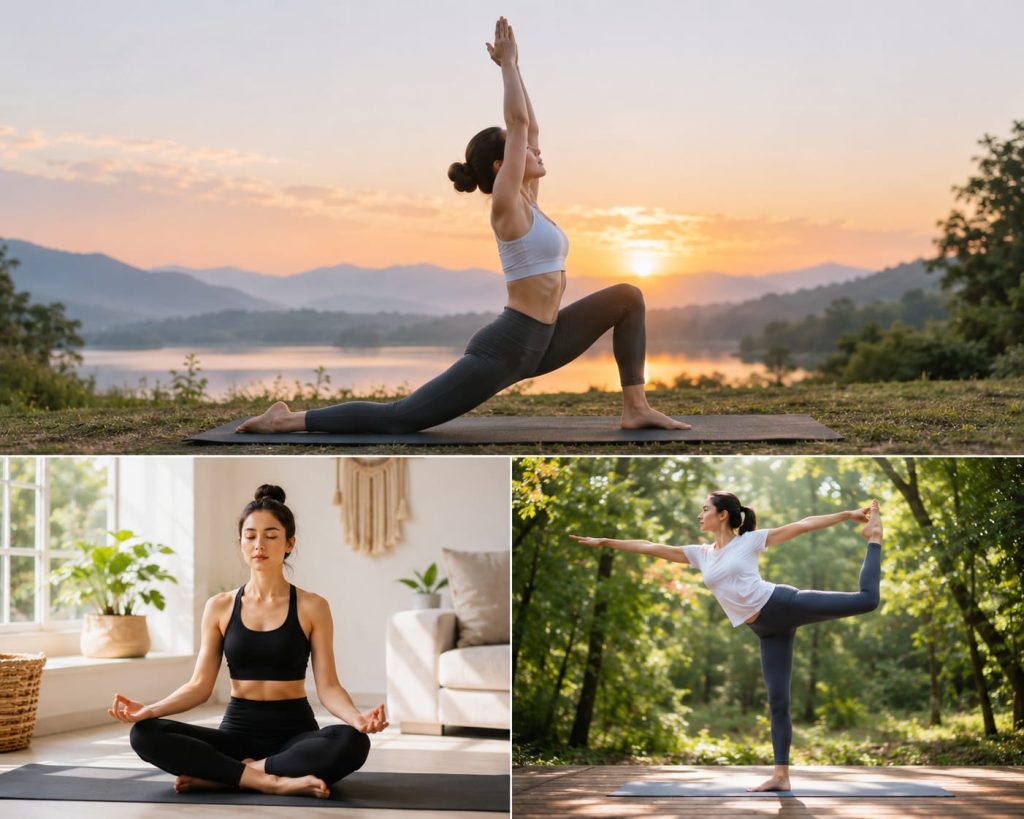
Yoga is one of the oldest and most effective forms of exercise in the world. Originating in ancient India over 5,000 years ago, yoga is much more than a physical workout. It is a holistic practice that combines physical postures, breathing techniques, and meditation to improve overall health and well-being. Today, millions of people practice yoga because it helps strengthen the body, calm the mind, reduce stress, and promote a healthier lifestyle.
What Is Yoga?
Yoga is a holistic practice that combines physical postures (asanas), breathing exercises (pranayama), and meditation to improve overall health and well-being. The word “Yoga” comes from the ancient Sanskrit word “Yuj,” meaning to unite or to connect. It represents the connection between the body, mind, and breath.
Although yoga began thousands of years ago in India, it is now practiced worldwide as a popular form of exercise and stress management. Modern yoga includes a variety of styles, from gentle stretching sessions to more physically challenging practices.
Yoga offers benefits such as:
- Improving flexibility
- Building strength
- Enhancing balance
- Supporting better posture
- Reducing stress
- Increasing focus and mindfulness
- Promoting relaxation
- Improving overall quality of life
Unlike high-impact workouts, yoga emphasizes slow, controlled movements and mindful breathing, making it accessible to people with different fitness levels.
Types of Yoga
There are many styles of yoga, each offering unique benefits. Choosing the right type depends on your fitness level, goals, and personal preferences.
1. Hatha Yoga
Hatha Yoga is one of the best choices for beginners. It focuses on basic poses, breathing exercises, and relaxation.
Benefits
- Easy to learn
- Improves flexibility
- Builds balance
- Reduces stress
2. Vinyasa Yoga
Vinyasa Yoga links breathing with flowing movements, creating a smooth sequence of poses.
Benefits
- Improves cardiovascular fitness
- Burns more calories
- Builds strength
- Enhances flexibility
3. Ashtanga Yoga
Ashtanga Yoga follows a structured sequence of poses performed in a continuous flow.
Benefits
- Builds endurance
- Increases strength
- Improves discipline
- Enhances flexibility
4. Yin Yoga
Yin Yoga involves holding poses for longer periods to stretch deep connective tissues.
Benefits
- Improves flexibility
- Reduces muscle stiffness
- Encourages relaxation
- Increases joint mobility
.
5. Restorative Yoga
This gentle style uses props such as bolsters and blankets to support the body during relaxing poses.
Benefits
- Reduces stress
- Promotes recovery
- Improves sleep quality
- Encourages deep relaxation
6. Power Yoga
Power Yoga is a more energetic and fitness-focused style inspired by traditional yoga.
Benefits
- Builds muscle strength
- Burns calories
- Improves endurance
- Supports weight management
7. Chair Yoga
Chair Yoga is designed for older adults, beginners, or people with limited mobility.
Benefits
- Safe and accessible
- Improves flexibility
- Enhances circulation
- Increases mobility
Health Benefits of Yoga
Practicing yoga regularly offers numerous benefits for both physical and mental health.
Improves Heart Health
Many yoga styles encourage healthy circulation and may help lower blood pressure when combined with a healthy lifestyle.
Supports Better Breathing
Breathing exercises improve lung function, increase oxygen intake, and help develop healthier breathing habits.
Enhances Sleep Quality
Regular yoga practice helps calm the nervous system, making it easier to fall asleep and enjoy deeper, more restful sleep.
Improves Balance and Coordination
Yoga strengthens stabilizing muscles and improves body awareness, reducing the risk of falls and injuries.
Supports Healthy Weight Management
Active forms of yoga help burn calories, while mindfulness practices may encourage healthier eating habits and reduce emotional eating.
Increases Energy Levels
Although yoga is relaxing, many people report feeling more energetic and refreshed after a session because it improves circulation and reduces physical tension.
Encourages Healthy Aging
Yoga helps maintain flexibility, joint mobility, muscle strength, and balance, supporting an active lifestyle as you grow older.
Physical Benefits of Yoga
Yoga strengthens the body while improving movement and overall fitness.
Improves Flexibility
One of the most well-known benefits of yoga is increased flexibility. Regular stretching helps loosen tight muscles and improves joint mobility.
Builds Strength
Many yoga poses use your own body weight to strengthen the arms, shoulders, legs, core, and back.
Improves Posture
Strong core and back muscles help support better posture, reducing strain caused by prolonged sitting or standing.
Increases Core Stability
Yoga strengthens the abdominal and lower back muscles that support balance, stability, and proper movement.
Enhances Mobility
Moving through different poses improves the range of motion in the hips, shoulders, knees, and spine.
Mental Health Benefits of Yoga
Yoga is not only a physical exercise but also a powerful practice for improving mental and emotional well-being. Regular yoga sessions help calm the mind, reduce stress, and promote a positive outlook on life.
Reduces Stress
Yoga combines deep breathing with gentle movements, helping to lower stress levels. It relaxes the body and allows your mind to recover from daily pressures.
Benefits
- Promotes relaxation
- Reduces muscle tension
- Helps manage everyday stress
Improves Mood
Physical movement and mindful breathing stimulate the release of endorphins, often called the body’s natural “feel-good” hormones.
Benefits
- Increases happiness
- Reduces negative emotions
- Encourages emotional balance
Boosts Focus and Concentration
Yoga requires you to focus on your breathing and body movements, which improves concentration and mental clarity over time.
Benefits
- Better memory
- Improved attention
- Increased productivity
Supports Better Sleep
Many relaxing yoga poses prepare the body for restful sleep by calming the nervous system.
Benefits
- Fall asleep faster
- Better sleep quality
- Wake up feeling refreshed
Builds Self-Confidence
As flexibility, strength, and balance improve, many people feel more confident about their physical abilities and overall health.
Proper Yoga Technique
Using the correct technique helps you enjoy the full benefits of yoga while reducing the risk of injury.
1. Warm Up
Begin with gentle stretches to prepare your muscles and joints.
2. Focus on Your Breathing
Breathe slowly and deeply throughout each pose. Never hold your breath unless specifically instructed.
3. Maintain Proper Alignment
Keep your body aligned during each posture. Avoid forcing your body into uncomfortable positions.
4. Move Slowly
Transition smoothly between poses without rushing. Controlled movement improves balance and body awareness.
5. Listen to Your Body
Stretch only to a comfortable level. Mild stretching is normal, but sharp pain is a sign to stop.
Beginner Yoga Plan
This simple weekly plan helps beginners develop flexibility, strength, and confidence.
Monday
- Mountain Pose (Tadasana)
- Cat-Cow Stretch
- Child’s Pose
- 20 minutes
Tuesday
- Downward Dog
- Cobra Pose
- Bridge Pose
- 20–25 minutes
Wednesday
- Gentle stretching
- Deep breathing
- Meditation
- 20 minutes
Thursday
- Warrior I
- Warrior II
- Tree Pose
- 25 minutes
Friday
- Sun Salutation
- Seated Forward Bend
- Cobra Pose
- 30 minutes
Saturday
- Full-body beginner yoga flow
- Relaxation exercises
- 30–40 minutes
Sunday
- Light stretching
- Breathing exercises
- Meditation
- Recovery day
Practice consistently instead of trying advanced poses too quickly.
Common Mistakes
Avoid these common mistakes to make your yoga practice safer and more effective.
Skipping Warm-Up
Cold muscles are less flexible and more prone to injury.
Holding Your Breath
Breathing is an essential part of yoga. Keep your breath slow and steady throughout each pose.
Comparing Yourself to Others
Everyone’s flexibility and strength are different. Focus on your own progress.
Rushing Through Poses
Yoga is about mindful movement, not speed.
Ignoring Pain
Never force your body into a painful position. Stretch gently and safely.
Practicing Inconsistently
Regular practice produces much better results than occasional long sessions.
Safety Tips
- Practice on a non-slip yoga mat.
- Wear comfortable clothing.
- Stay hydrated.
- Warm up before difficult poses.
- Avoid overstretching.
- Practice in a quiet environment.
- Learn from a qualified instructor if possible.
- Consult your doctor before starting yoga if you have serious medical conditions or injuries.
Best Time to Practice Yoga
There is no perfect time for everyone. Choose the time that best fits your lifestyle.
Morning
Morning yoga helps:
- Increase energy
- Improve focus
- Start the day positively
Afternoon
Afternoon practice can:
- Improve flexibility
- Reduce work-related tension
- Refresh the body
Evening
Evening yoga helps:
- Reduce stress
- Relax muscles
- Prepare for restful sleep
The best time is the one you can follow consistently.
Frequently Asked Questions (FAQs)
1. Is yoga suitable for beginners?
Yes. Yoga is suitable for people of all ages and fitness levels. Beginners should start with simple poses and gradually progress.
2. Can yoga help with weight loss?
Yes. Active styles such as Power Yoga and Vinyasa Yoga burn more calories. Combined with healthy eating, yoga can support weight loss.
3. How often should I practice yoga?
Practicing 3–5 times per week is ideal for most beginners. Even 15–30 minutes daily can provide noticeable benefits.
4. Do I need special equipment?
No. A quality yoga mat and comfortable clothing are enough for most beginners.
5. Can I practice yoga every day?
Yes. Gentle yoga and stretching can be practiced daily, provided you listen to your body and allow time for recovery when needed.
Conclusion
Yoga is much more than a form of exercise—it is a complete practice that nurtures both the body and the mind. By combining physical postures, controlled breathing, and mindfulness, yoga helps improve flexibility, strength, balance, posture, and overall well-being.
Whether your goal is to reduce stress, increase fitness, improve mobility, or simply feel healthier, yoga offers a safe and effective path toward better health. It requires very little equipment, can be practiced almost anywhere, and is suitable for people of all ages and fitness levels.
The key to success is consistency. Start with beginner-friendly poses, focus on proper technique, and progress at your own pace. Remember that yoga is not about achieving perfect poses but about building a healthier relationship with your body and mind.
With regular practice and patience, yoga can become a lifelong habit that supports a healthier, happier, and more balanced lifestyle.