📢 Advertise with us

Bitter Gourd: Nature's Bitter Superfood for Better Health...

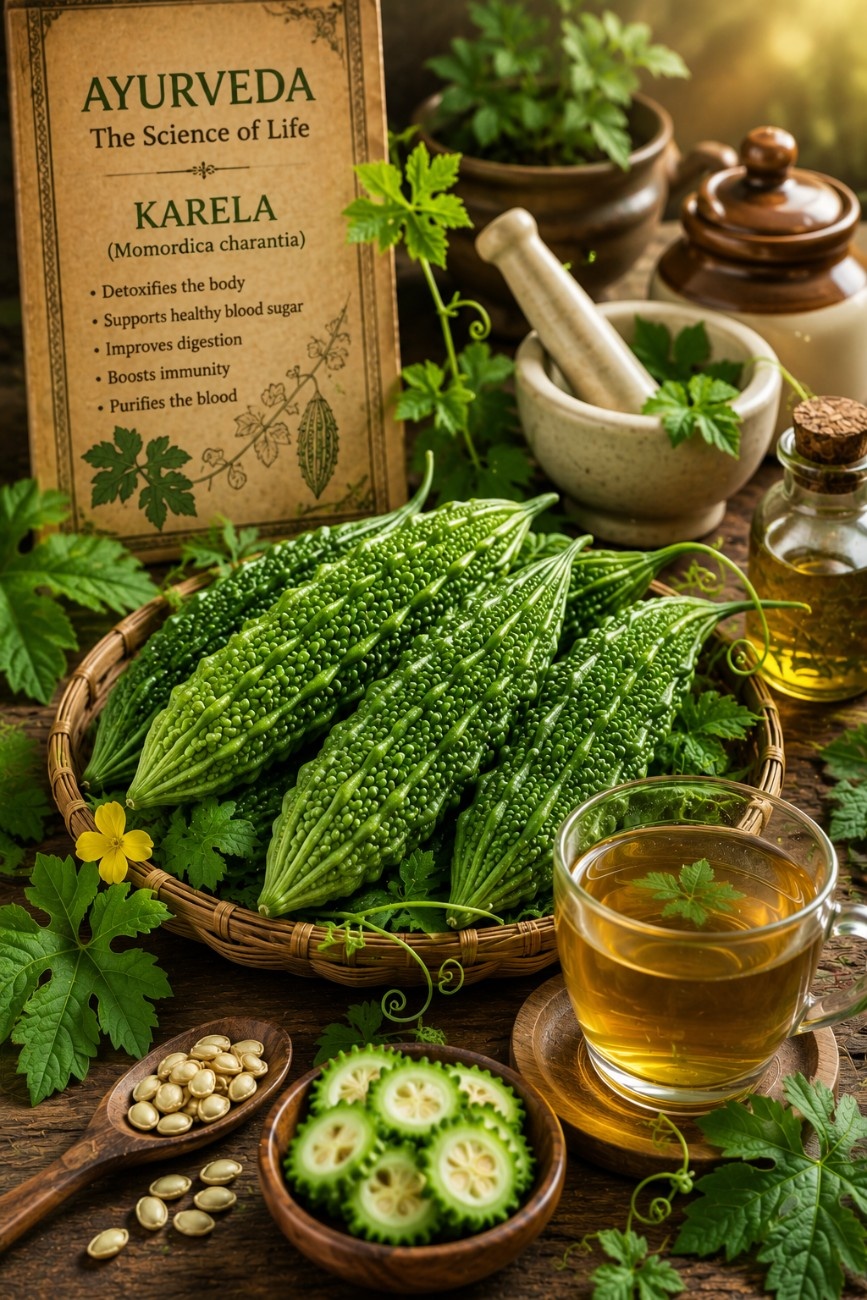
Bitter gourd (also known as bitter melon or bitter squash) is one of the healthiest vegetables used in kitchens and traditional medicine around the world. Despite its bitter taste, it is packed with vitamins, minerals, antioxidants, and plant compounds that provide numerous health benefits. Scientifically known as Momordica charantia, bitter gourd belongs to the cucumber family (Cucurbitaceae). It is widely grown in tropical and subtropical regions such as Nepal, India, China, and Southeast Asia. For centuries, bitter gourd has been valued in traditional medicine for supporting blood sugar control, improving digestion, boosting immunity, and promoting overall well-being.

What is Bitter Gourd?

Bitter gourd is a green vegetable with a rough, bumpy surface and a unique bitter flavor. As it ripens, its color changes from green to yellow or orange.Different parts of the plant are used for health purposes, including: Fruit Leaves Seeds JuiceIt can be eaten raw, cooked, stuffed, stir-fried, boiled, or consumed as juice.

Nutritional Components of Bitter Gourd...

NutrientAmount
Calories17 kcal
Water94%
Carbohydrates3.7 g
Protein1 g
Fat0.2 g
Fiber2.8 g
Vitamin C84 mg
Vitamin A471 IU
Folate72 mcg
Potassium296 mg
Magnesium17 mg
Calcium19 mg
Iron0.4 mg

Health Benefits of Bitter Gourd...

1. Helps Manage Blood Sugar

One of the most well-known benefits of bitter gourd is its potential to support healthy blood sugar levels.

Natural compounds like charantin and polypeptide-p may improve insulin function and help the body use glucose more effectively.

People with diabetes should consult a healthcare provider before using bitter gourd regularly, especially if they take diabetes medications.


2. Rich in Antioxidants

Bitter gourd contains antioxidants that protect cells from damage caused by free radicals.

Antioxidants may help lower the risk of chronic diseases and support healthy aging.


3. Boosts Immunity

The high vitamin C content helps strengthen the immune system and supports the body’s natural defense against infections.

Regular consumption may also aid faster recovery from common illnesses.


4. Improves Digestion

The dietary fiber in bitter gourd promotes healthy digestion by:

  • Preventing constipation
  • Supporting bowel health
  • Encouraging regular bowel movements

Its natural bitterness may also stimulate digestive enzymes.

5. May Have Anti-Inflammatory Properties

Certain plant compounds in bitter gourd may help reduce inflammation, which plays a role in many chronic health conditions.

6. Supports Weight Loss

Bitter gourd is:

  • Low in calories
  • High in fiber
  • Filling and nutritious

It can help reduce overeating and support healthy weight management when combined with a balanced diet and regular exercise.


7. Promotes Heart Health

Bitter gourd may contribute to cardiovascular health by:

  • Supporting healthy cholesterol levels
  • Helping regulate blood pressure
  • Reducing inflammation
  • Improving blood circulation

Its potassium content also supports normal heart function.


7. Supports Liver Health

Traditional medicine often uses bitter gourd to promote liver function. Some studies suggest it may help protect liver cells from oxidative damage and support natural detoxification processes.


9. May Improve Skin Health

The vitamins and antioxidants in bitter gourd may help:

  • Reduce acne
  • Promote clearer skin
  • Support wound healing
  • Protect skin from oxidative damage

Hydration and a balanced diet remain essential for healthy skin.


10. Supports Eye Health

Bitter gourd contains vitamin A and beta-carotene, which help maintain healthy vision and support normal eye function.

 **Uses of Bitter Gourd**

Culinary Uses

  • Stir-fried with onions and spices
  • Stuffed with vegetables or meat
  • Added to curries
  • Mixed into soups
  • Made into pickles
  • Cooked with lentils
  • Used in salads (lightly blanched)
  • Fresh juice

Traditional Uses

  • Herbal remedies
  • Bitter gourd tea
  • Leaf extracts
  • Powder supplements
  • Homemade skin applications (used traditionally)

Advantages of Bitter Gourd

Here are some of the key advantages:

  • Rich in vitamins and minerals
  • Low in calories
  • High in dietary fiber
  • Supports healthy blood sugar
  • Boosts immunity
  • Aids digestion
  • Promotes heart health
  • Supports liver function
  • Rich in antioxidants
  • May support weight management
  • Helps maintain healthy skin
  • Supports eye health

Possible Side Effects of Bitter Gourd...

1. Low Blood Sugar

People taking diabetes medications should be cautious, as bitter gourd may further lower blood sugar levels.


2. Digestive Discomfort

Eating too much bitter gourd may cause:

  • Stomach pain
  • Diarrhea
  • Gas
  • Bloating

3. Pregnancy Concerns

Large amounts of bitter gourd, especially certain extracts or seeds, are generally not recommended during pregnancy unless advised by a healthcare professional.


4. Allergic Reactions

Although uncommon, some individuals may experience allergic reactions after consuming bitter gourd.


5. Drug Interactions

Bitter gourd may interact with medications, particularly those used to manage diabetes. Speak with your healthcare provider if you take prescription medicines.

Who Should Eat Bitter Gourd?

Bitter gourd may be suitable for:

  • Adults seeking a nutritious vegetable
  • Individuals aiming to support healthy blood sugar (under medical guidance)
  • People looking to increase fiber intake
  • Those focused on weight management
  • Individuals wanting to boost their intake of vitamins and antioxidants

 Who Should Be Careful?

Consult a healthcare professional before consuming bitter gourd regularly if you:

  • Take diabetes medications
  • Are pregnant or breastfeeding
  • Have a history of low blood sugar
  • Experience digestive sensitivity
  • Have known allergies to plants in the cucumber family

Conclusion!!!

Bitter gourd is one of nature's most nutrient-dense vegetables. Although its bitter taste may not appeal to everyone, it offers an impressive range of vitamins, minerals, fiber, antioxidants, and beneficial plant compounds that can support overall health.Including bitter gourd in a balanced diet may help support healthy digestion, immune function, heart health, and blood sugar management. However, it should not replace prescribed medical treatment, and people with certain medical conditions or those taking medications should consult a healthcare professional before consuming it regularly.With proper preparation and moderate intake, bitter gourd can be a valuable addition to a healthy lifestyle.

Leave a Reply

Your email address will not be published. Required fields are marked *

TOP