
Bitter Gourd: Nature's Bitter Superfood for Better Health...
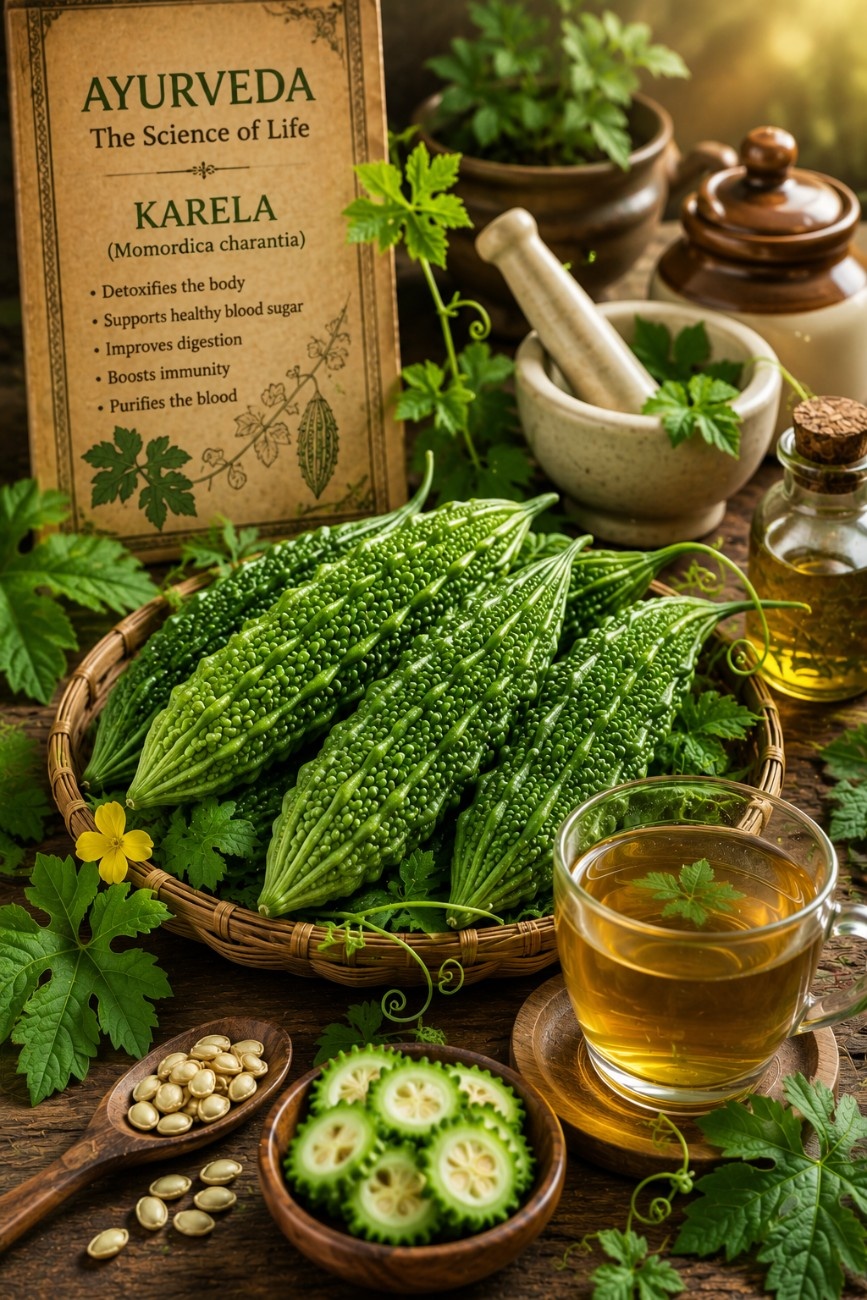
Bitter gourd (also known as bitter melon or bitter squash) is one of the healthiest vegetables used in kitchens and traditional medicine around the world. Despite its bitter taste, it is packed with vitamins, minerals, antioxidants, and plant compounds that provide numerous health benefits. Scientifically known as Momordica charantia, bitter gourd belongs to the cucumber family (Cucurbitaceae). It is widely grown in tropical and subtropical regions such as Nepal, India, China, and Southeast Asia. For centuries, bitter gourd has been valued in traditional medicine for supporting blood sugar control, improving digestion, boosting immunity, and promoting overall well-being.
What is Bitter Gourd?
Bitter gourd is a green vegetable with a rough, bumpy surface and a unique bitter flavor. As it ripens, its color changes from green to yellow or orange.Different parts of the plant are used for health purposes, including: Fruit Leaves Seeds JuiceIt can be eaten raw, cooked, stuffed, stir-fried, boiled, or consumed as juice.
Nutritional Components of Bitter Gourd...
Health Benefits of Bitter Gourd...

**Uses of Bitter Gourd**
Advantages of Bitter Gourd
Possible Side Effects of Bitter Gourd...
Conclusion!!!
Bitter gourd is one of nature's most nutrient-dense vegetables. Although its bitter taste may not appeal to everyone, it offers an impressive range of vitamins, minerals, fiber, antioxidants, and beneficial plant compounds that can support overall health.Including bitter gourd in a balanced diet may help support healthy digestion, immune function, heart health, and blood sugar management. However, it should not replace prescribed medical treatment, and people with certain medical conditions or those taking medications should consult a healthcare professional before consuming it regularly.With proper preparation and moderate intake, bitter gourd can be a valuable addition to a healthy lifestyle.