

Introduction
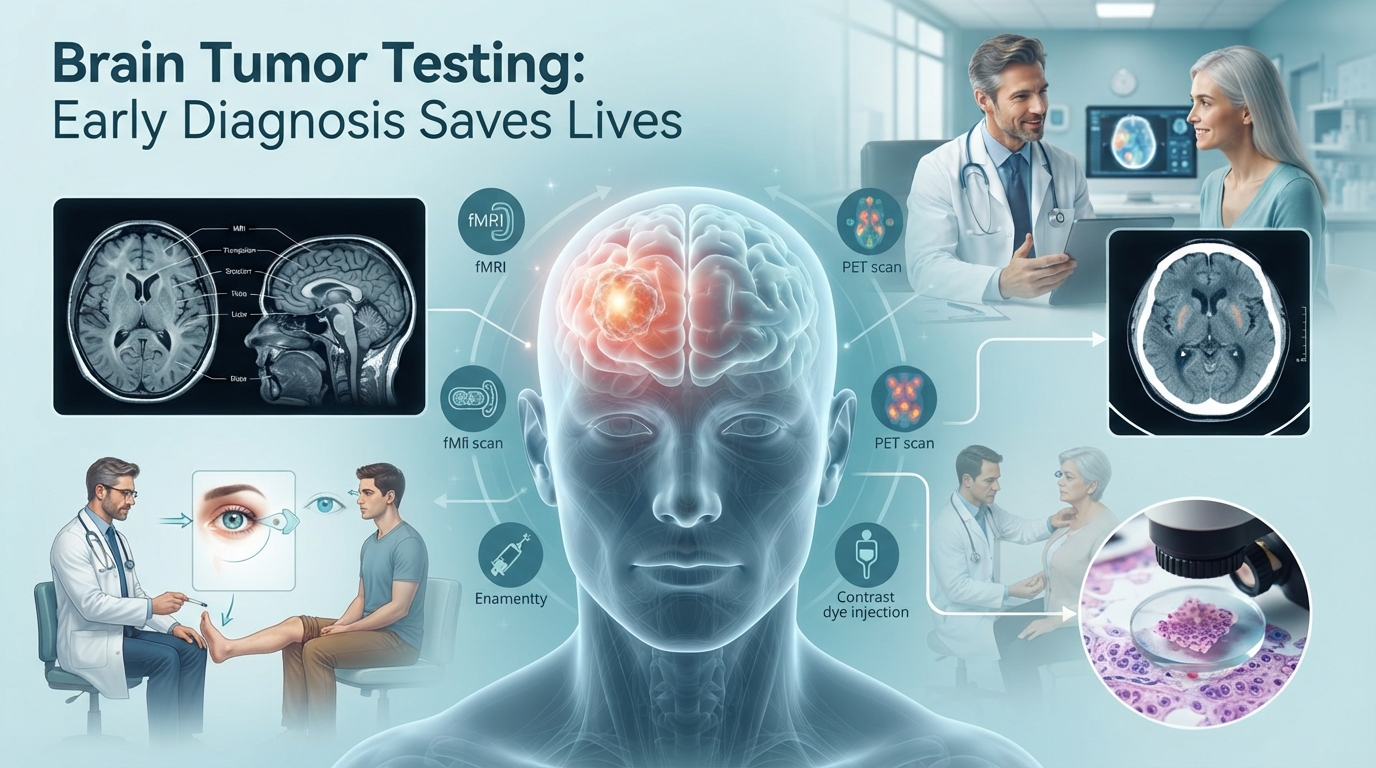
A brain tumor is an abnormal growth of cells in or around the brain. Tumors can be benign (non-cancerous) or malignant (cancerous). While not every brain tumor is life-threatening, all brain tumors require medical evaluation because they can affect how the brain functions.Early diagnosis is one of the most important steps in successful treatment. Brain tumor testing helps doctors determine whether a tumor is present, identify its type, locate its exact position, and develop the most appropriate treatment plan.This article explains the common tests used to diagnose brain tumors, why they are performed, and what patients can expect during the testing process.
Why Is Brain Tumor Testing Important?
Brain tumor testing is essential because many symptoms of brain tumors can also be caused by other medical conditions. Proper testing helps doctors:
- Confirm whether a brain tumor is present.
- Determine whether the tumor is benign or malignant.
- Identify the size, location, and type of tumor.
- Plan surgery, radiation therapy, or other treatments.
- Monitor treatment progress and detect recurrence.
Early diagnosis often improves treatment outcomes and helps reduce complications.
When Should You Consider Testing?
A healthcare provider may recommend brain tumor testing if a person experiences symptoms such as:
- Persistent or worsening headaches
- Frequent nausea or vomiting
- Blurred or double vision
- Seizures
- Difficulty speaking or understanding speech
- Weakness or numbness in the arms or legs
- Problems with balance or coordination
- Memory loss or confusion
- Personality or behavior changes
- Hearing problems
These symptoms do not always indicate a brain tumor, but they should be evaluated by a healthcare professional, especially if they persist or worsen.
Common Tests Used to Diagnose a Brain Tumor…
1. Medical History and Physical Examination
The first step in diagnosis is reviewing the patient’s medical history and symptoms.
The doctor may ask about:
- Current symptoms
- Family medical history
- Previous illnesses
- Medications
- Duration and severity of symptoms
2. Neurological Examination
A neurological exam evaluates how well the brain and nervous system are functioning.
The doctor checks:
- Vision
- Hearing
- Balance
- Coordination
- Muscle strength
- Sensation
- Memory
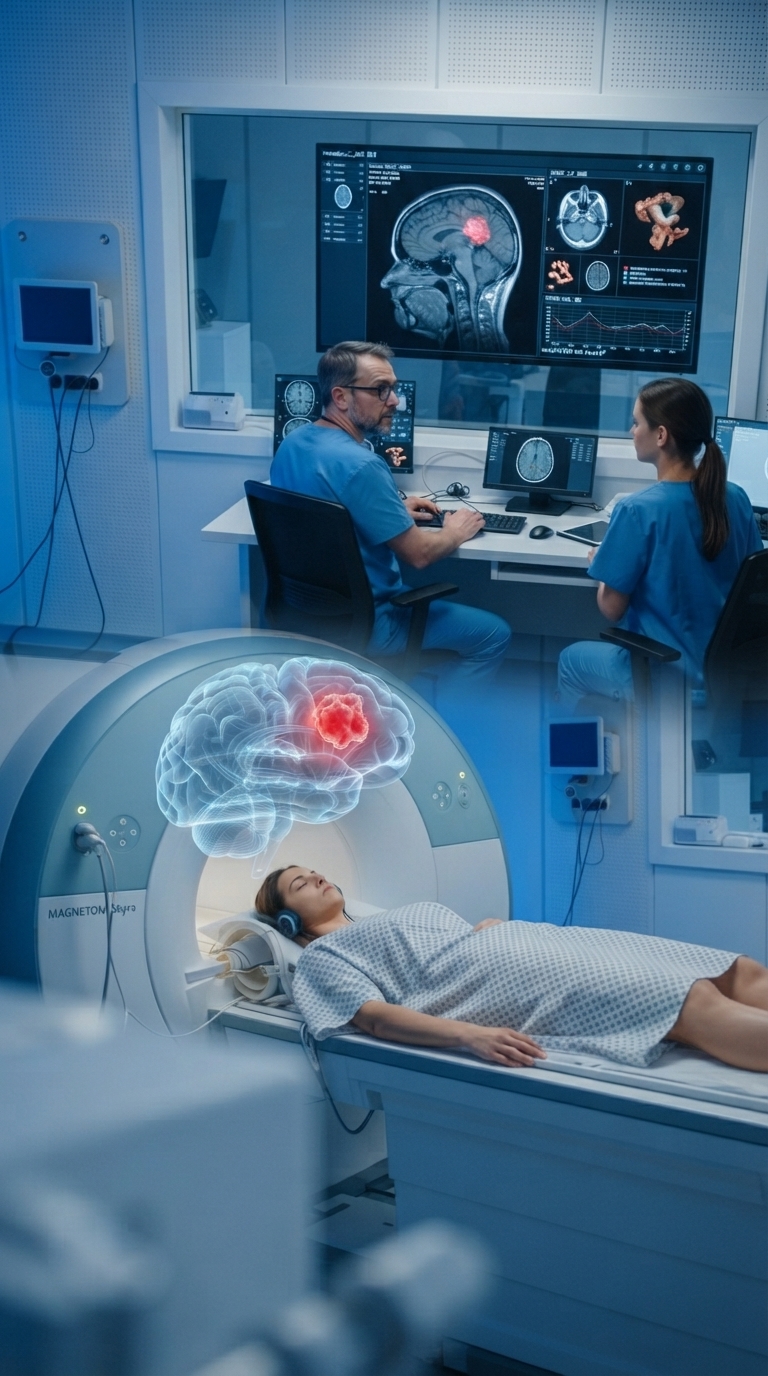
3. Magnetic Resonance Imaging (MRI)
An MRI is the most commonly used imaging test for diagnosing brain tumors.
Advantages
- Produces highly detailed images
- Detects very small tumors
- Helps determine the tumor’s size and location
- Does not use ionizing radiation
4. Computed Tomography (CT) Scan
A CT scan uses X-rays to produce cross-sectional images of the brain.
Doctors may recommend a CT scan when:
- MRI is not available
- Emergency evaluation is needed
- Bone involvement is suspected
5. Biopsy
A biopsy is the only way to confirm the exact type of brain tumor.
A biopsy helps determine:
- Whether the tumor is cancerous
- The specific tumor type
- The tumor grade (how aggressive it is)
6. Positron Emission Tomography (PET) Scan
A PET scan evaluates the metabolic activity of brain tissue.
During the test:
- A small amount of radioactive tracer is injected into a vein.
- The scanner detects how different parts of the brain use the tracer.
7. Blood Tests
Although blood tests cannot diagnose a brain tumor directly, they provide valuable information about a patient’s overall health.
Doctors may use blood tests to:
- Check kidney and liver function
- Measure blood cell counts
- Evaluate hormone levels in certain cases
- Ensure the patient is healthy enough for surgery or other treatments

What Happens After Testing?
Once all test results are available, the healthcare team reviews them to determine:
- The tumor type
- Its size
- Its location
- Whether it is benign or malignant
- Its grade
- Whether it has spread
Based on this information, an individualized treatment plan is created.
Treatment options may include surgery, radiation therapy, chemotherapy, targeted therapy, or careful monitoring for slow-growing benign tumors.
Preparing for Brain Tumor Tests…
Patients can make testing easier by following their healthcare provider’s instructions.
Helpful tips include:
- Inform the doctor about any medications you are taking.
- Mention allergies, especially to contrast dyes.
- Tell your doctor if you are pregnant or think you might be pregnant.
- Remove metal objects before an MRI.
- Follow any fasting instructions if sedation or contrast is required.
- Bring previous medical records and imaging studies if available.
Good preparation helps ensure accurate results.
Risks of Brain Tumor Testing…
Most diagnostic tests are very safe.
Some possible risks include:
- Mild allergic reactions to contrast dye
- Claustrophobia during MRI scans
- Small exposure to radiation during CT scans
- Bleeding or infection after a biopsy (rare)
Healthcare professionals take precautions to minimize these risks and explain them before testing.
Benefits of Early Diagnosis…
Early detection of a brain tumor offers several important benefits:
- More treatment options
- Better chance of successful treatment
- Reduced risk of complications
- Improved quality of life
- Better symptom management
- More accurate treatment planning
Prompt medical evaluation is important if symptoms suggest a possible neurological condition.
Tips for Maintaining Brain Health
Although not all brain tumors can be prevented, adopting healthy habits supports overall brain health.
- Eat a balanced diet rich in fruits, vegetables, whole grains, and healthy fats.
- Exercise regularly.
- Get enough sleep each night.
- Avoid smoking and limit alcohol consumption.
- Wear protective headgear during sports or risky activities.
- Manage chronic conditions such as high blood pressure and diabetes.
- Attend regular medical checkups and seek evaluation for persistent neurological symptoms.
Conclusion!!!Brain tumor testing plays a vital role in detecting and diagnosing abnormal growths in the brain. Doctors use a combination of medical history, neurological examinations, imaging tests such as MRI and CT scans, biopsies, and other specialized procedures to make an accurate diagnosis.
Early diagnosis allows healthcare providers to create the most effective treatment plan and may improve outcomes for many patients. If you or someone you know experiences persistent headaches, seizures, vision changes, or other concerning neurological symptoms, consult a qualified healthcare professional promptly. Timely evaluation is the first step toward receiving the right care and protecting long-term brain health.