



INTRODUCTION
Health insurance is one of the most important financial investments you can make in the United States. Medical treatment in the U.S. is among the most expensive in the world, and even a short hospital stay or emergency surgery can cost thousands of dollars. Having the right health insurance protects you from unexpected medical expenses while ensuring access to quality healthcare.
However, choosing the right plan can feel confusing. With different coverage options, premiums, deductibles, provider networks, and government programs, many people struggle to understand which insurance policy best fits their needs.
This guide shares the best health insurance tips in the USA to help individuals, families, students, and seniors make smart decisions when selecting and using health insurance.
Why Health Insurance Matters
Health insurance does much more than help pay medical bills. It provides financial security and ensures you receive preventive care, regular checkups, emergency treatment, prescription medications, and specialist services without facing overwhelming costs.
Without insurance, even a single emergency room visit could result in bills of several thousand dollars. With proper coverage, you pay only a portion of those expenses according to your insurance plan.
1. Understand the Different Types of Health Insurance
Before buying insurance, it’s important to know the major types available.
Employer-Sponsored Insurance
Many Americans receive health insurance through their employers. Employers usually pay part of the monthly premium, making these plans more affordable.
Benefits include:
Lower monthly premiums
Comprehensive coverage
Access to large provider networks
Family coverage options

Individual Marketplace Plans
If your employer doesn’t provide insurance, you can purchase your own plan through the Health Insurance Marketplace.
These plans are divided into metal categories:
Bronze
Silver
Gold
Platinum
Each offers different balances between monthly costs and out-of-pocket expenses.


Medicaid
Medicaid provides health coverage for low-income individuals and families who qualify based on income and state requirements.
Coverage often includes:
Doctor visits
Hospital care
Prescription drugs
Preventive services
Mental health care

Medicare
Medicare mainly serves:
Adults age 65+
Certain younger people with disabilities
Individuals with qualifying medical conditions
Different parts cover hospitals, medical services, prescription drugs, and additional benefits.

2. Compare Monthly Premiums Carefully
The premium is the amount you pay every month to keep your insurance active.
A lower premium may sound attractive, but it often comes with:
Higher deductibles
Higher co-payments
More out-of-pocket costs
On the other hand, higher monthly premiums usually provide better coverage and lower medical expenses when you receive care.
Don’t choose a plan based only on the monthly price.

3. Understand Your Deductible
Your deductible is the amount you must pay before insurance begins sharing costs.
Example:
Annual deductible: $2,000
Medical bill: $3,000
You pay the first $2,000.
Your insurance begins paying according to your policy after that.
If you expect frequent doctor visits, medications, or surgeries, choosing a lower deductible may save money overall.
4. Know Your Out-of-Pocket Maximum
One of the most important numbers in any health insurance plan is the annual out-of-pocket maximum.
This is the most you’ll pay during the year for covered medical services.
Once you reach this limit, your insurance typically pays 100% of covered healthcare costs for the rest of the year.
Always compare this amount when evaluating plans.

5. Check the Provider Network
Not every doctor or hospital accepts every insurance plan.
Before enrolling:
Confirm your family doctor is included.
Check nearby hospitals.
Verify specialists you may need.
Ensure urgent care centers participate.
Using out-of-network providers can result in much higher bills.

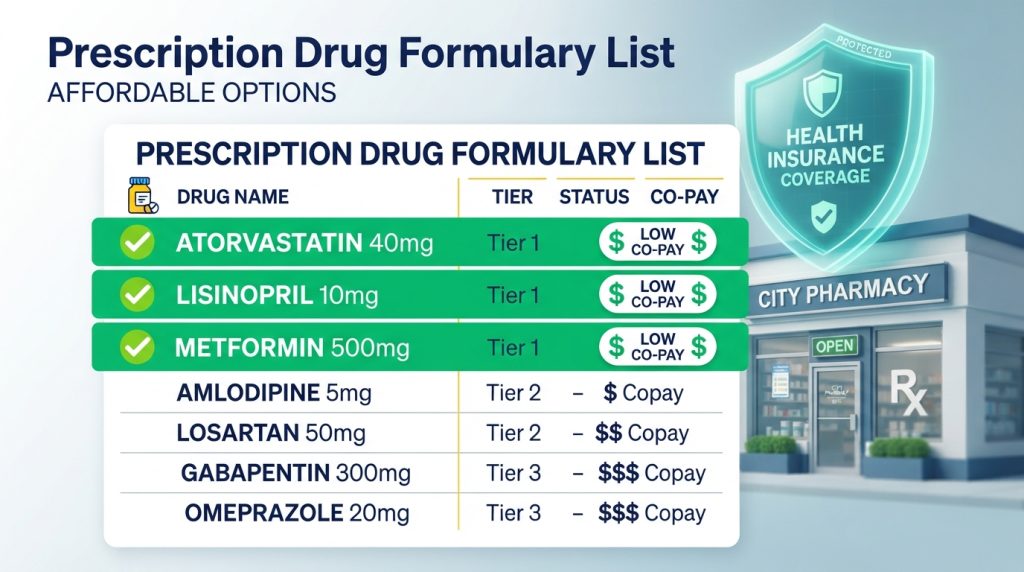
6. Review Prescription Drug Coverage
Prescription medications can become expensive.
Before selecting a plan:
Check if your medications are covered.
Compare pharmacy networks.
Review generic medication coverage.
Understand prescription co-pays.
If you regularly take medications, this step can save hundreds or even thousands of dollars annually.
7. Don’t Ignore Preventive Care
Most health insurance plans cover preventive care at little or no additional cost.
Preventive services often include:
Annual wellness exams
Vaccinations
Blood pressure screening
Cholesterol testing
Diabetes screening
Cancer screenings
Women’s health exams
Children’s vaccinations
Preventive care helps identify health problems early before they become serious.

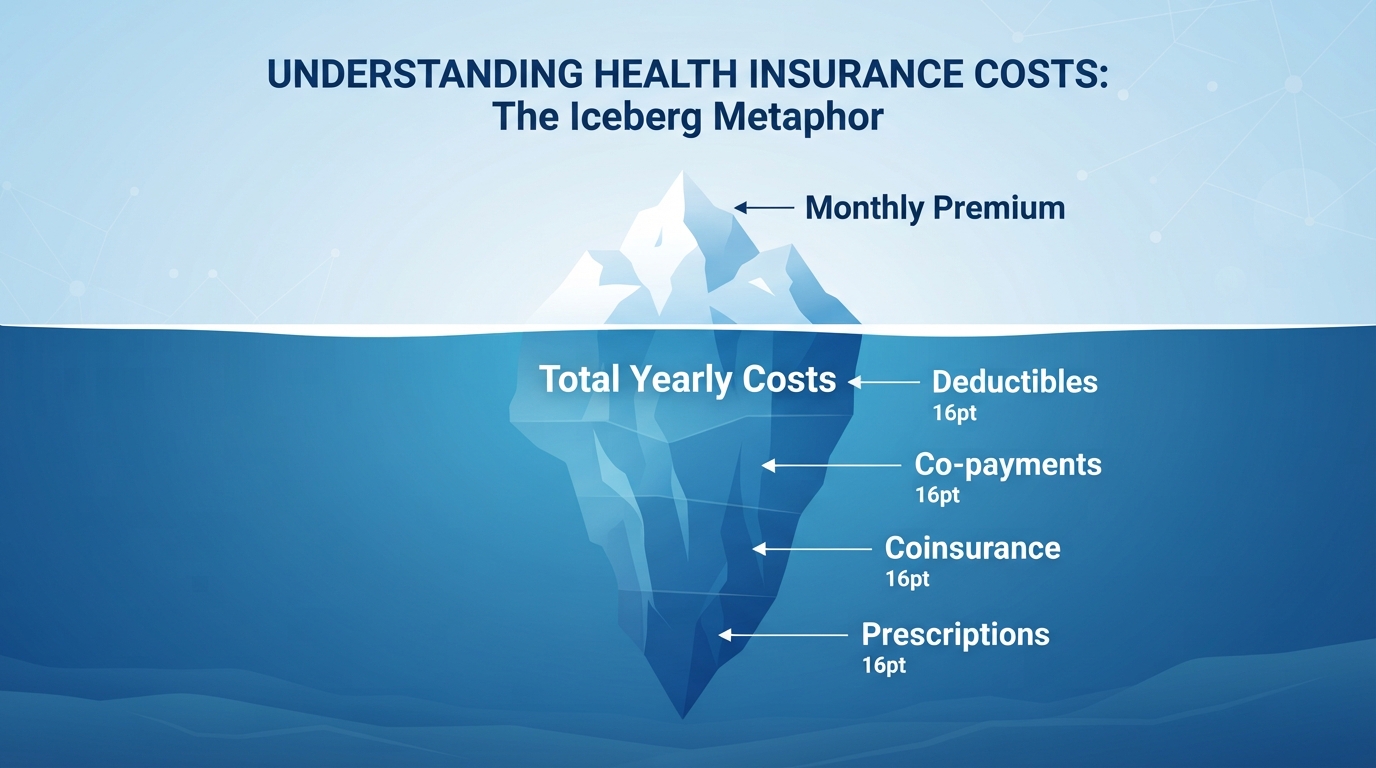
8. Compare Total Costs—Not Just Premiums
Many people only compare monthly premiums.
Instead, calculate your estimated yearly costs:
Monthly premium
Deductible
Co-payments
Coinsurance
Prescription expenses
Specialist visits
Sometimes a plan with a higher premium costs less overall because it provides better coverage.
9. Understand HMO, PPO, EPO, and POS Plans
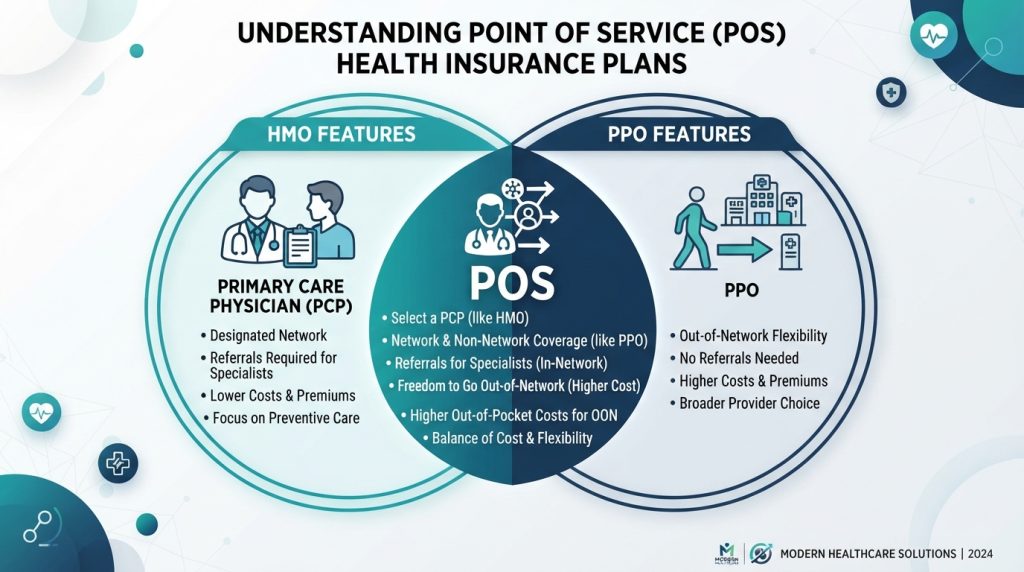
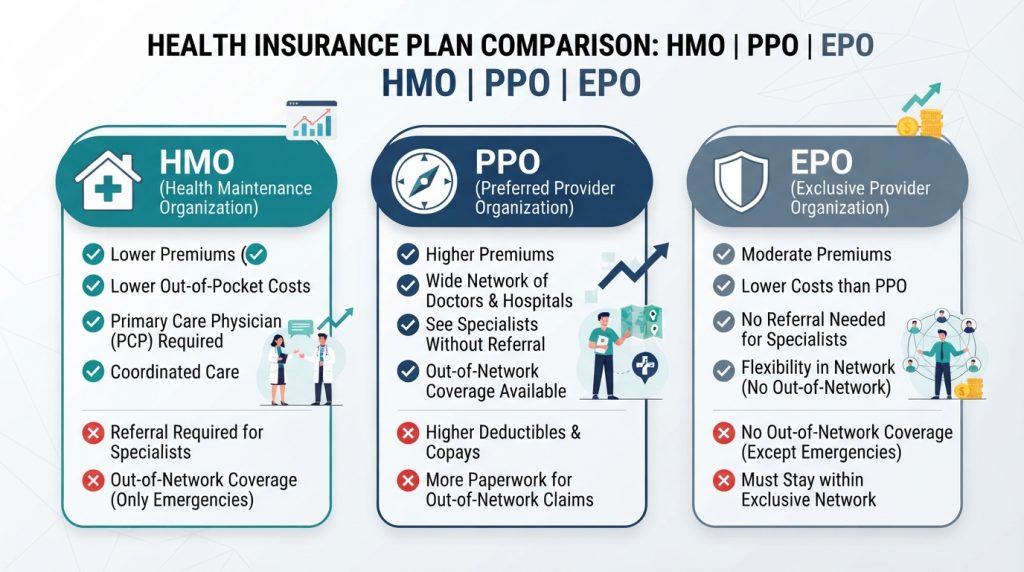
HMO (Health Maintenance Organization)
Pros:
Lower premiums
Lower out-of-pocket costs
Cons:
Must use network doctors
Referral usually required
PPO (Preferred Provider Organization)
Pros:
Greater flexibility
No referral for specialists
Cons:
Higher monthly premiums
EPO (Exclusive Provider Organization)
Pros:
Lower costs
No referrals
Cons:
Must stay within the provider network.
POS (Point of Service)
Combines features of HMO and PPO plans.
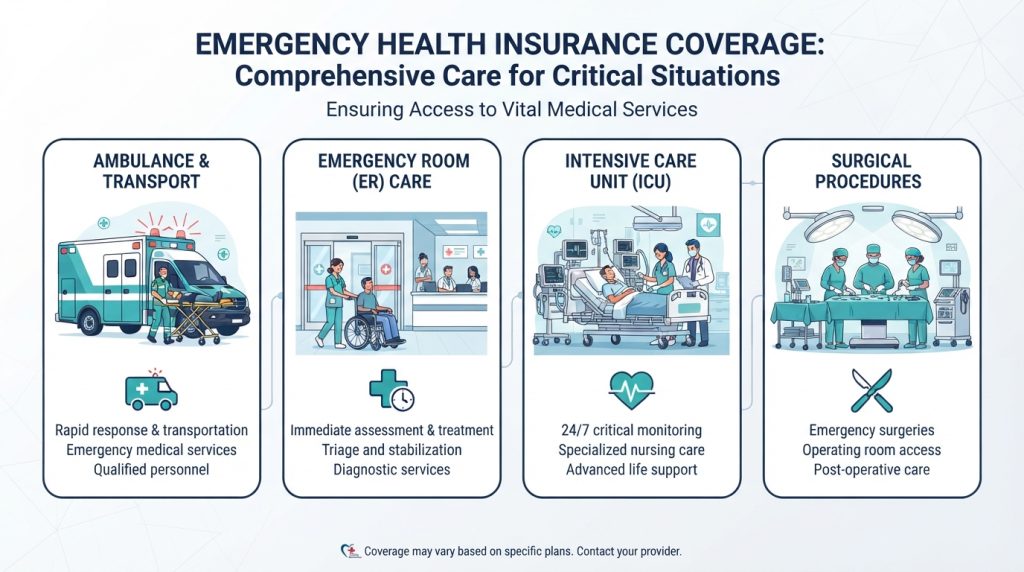
10.Understand Emergency Coverage
Emergencies happen unexpectedly.
Check whether your plan covers:
Emergency room visits
Ambulance services
Hospital admissions
Intensive care
Emergency surgery
Good emergency coverage can save tens of thousands of dollars.
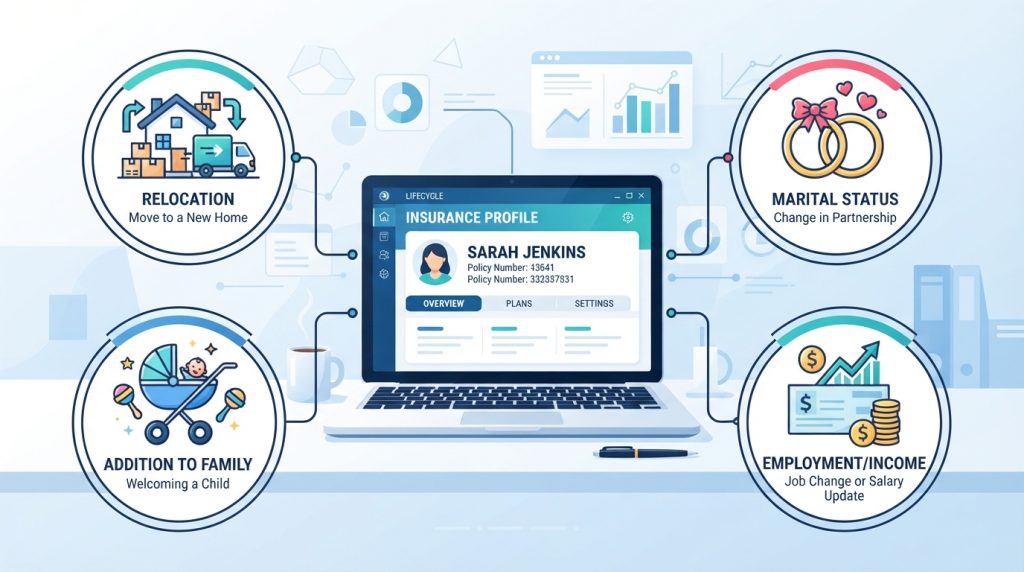
Keep Your Insurance Information Updated
Notify your insurer if you experience:
Address changes
Marriage
Divorce
New baby
Income changes
Employment changes
Accurate information helps prevent claim delays and coverage issues.

Review Your Plan Every Year
Your healthcare needs may change over time.
Review your plan annually by asking:
Have my prescriptions changed?
Am I seeing specialists more often?
Did premiums increase?
Is my preferred doctor still in-network?
Are there better plans available?
Switching plans during open enrollment can lead to better coverage and savings.
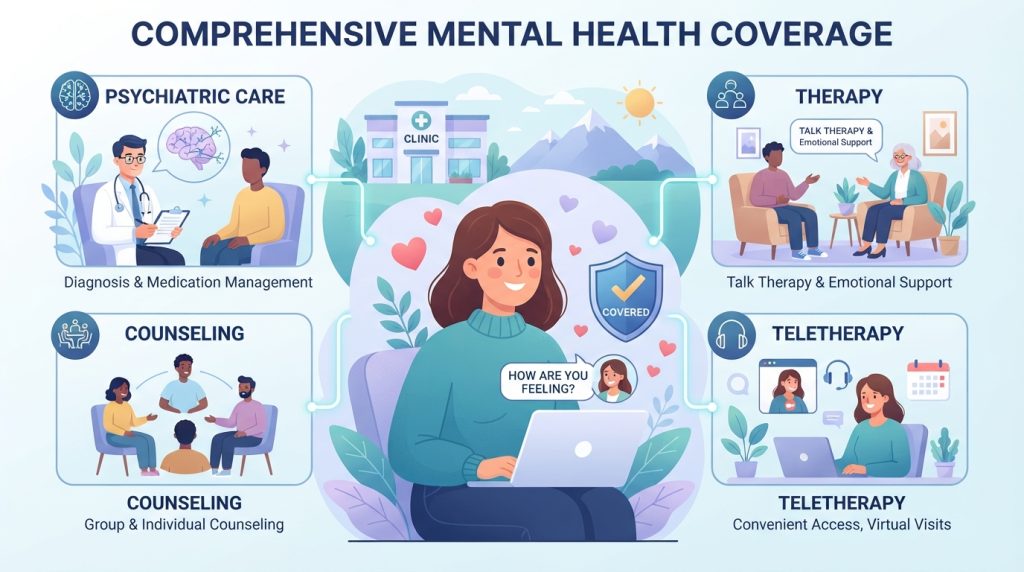
Understand Mental Health Coverage
Modern health insurance plans often cover mental health services such as:
Therapy
Counseling
Psychiatric care
Substance use treatment
Teletherapy
If mental health support is important to you or your family, review these benefits carefully before choosing a plan.
Common Health Insurance Mistakes to Avoid
Many people make avoidable mistakes when choosing health insurance, including:
Choosing the cheapest plan without comparing benefits.
Ignoring deductibles and out-of-pocket limits.
Not checking if their doctors are in-network.
Forgetting prescription drug coverage.
Missing enrollment deadlines.
Assuming all plans cover the same services.
Failing to review annual plan changes.