

Introduction
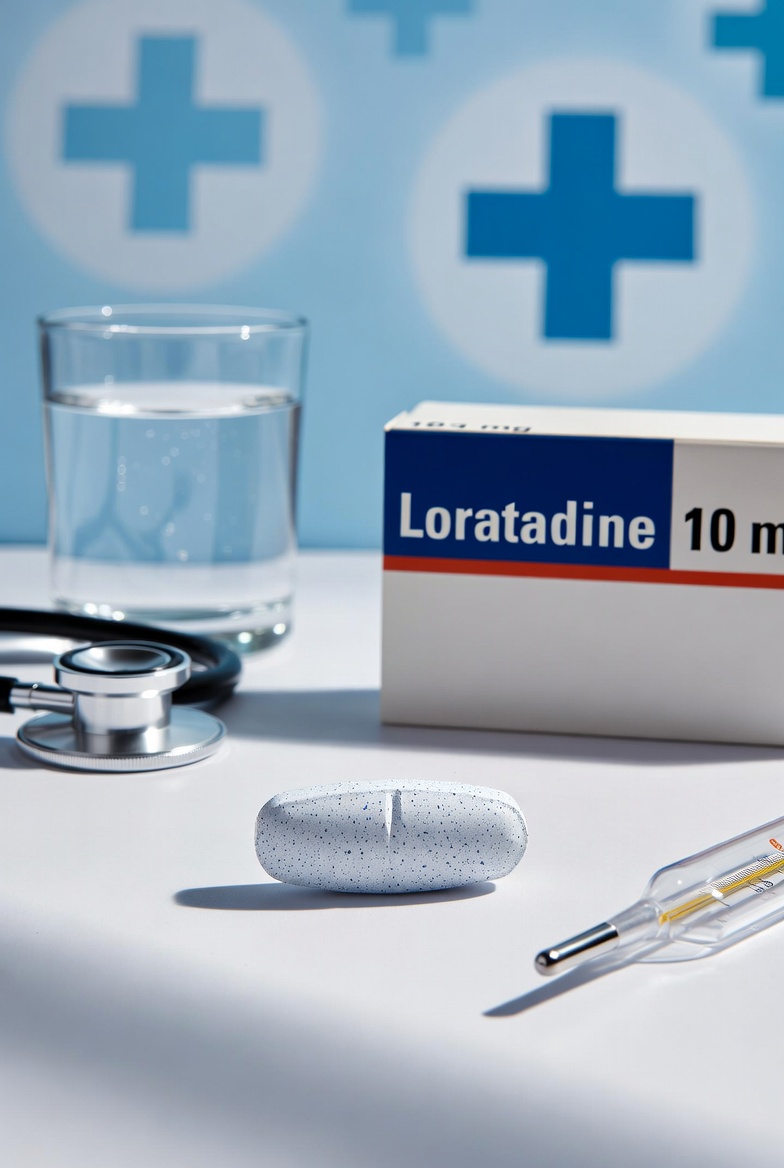
Loratadine is a widely used antihistamine medicine that helps relieve symptoms caused by allergies. It is commonly prescribed for seasonal allergies (hay fever), year-round allergies, chronic hives, and other allergic conditions. Loratadine belongs to the second generation of antihistamines, which means it provides effective allergy relief with a lower chance of causing drowsiness compared to older antihistamines.
Millions of people worldwide use loratadine to manage allergy symptoms such as sneezing, a runny nose, itchy eyes, watery eyes, and skin itching. It is available in tablets, chewable tablets, orally disintegrating tablets, and liquid syrup, making it suitable for both adults and children. When used correctly and according to medical advice or the product label, loratadine is generally considered safe and effective.

What is Loratadine?
Loratadine is an antihistamine medication that blocks the action of histamine, a chemical naturally released by the body’s immune system during an allergic reaction. Histamine is responsible for many common allergy symptoms, including itching, sneezing, swelling, watery eyes, and a runny nose.
Because loratadine blocks histamine without significantly affecting the brain, it usually does not cause sleepiness in most people. This makes it a preferred choice for individuals who need to remain alert during work, school, or daily activities.

How Does Loratadine Work?
When a person comes into contact with an allergen such as pollen, dust mites, mold spores, or pet dander, the immune system releases histamine. Histamine binds to receptors in the body and triggers allergy symptoms.
Loratadine works by blocking these histamine (H1) receptors, preventing histamine from producing its effects. As a result, symptoms such as sneezing, itching, watery eyes, and a runny nose are reduced.
Loratadine generally begins to work within 1 to 3 hours, and one dose usually provides relief for up to 24 hours.
Uses of Loratadine
Loratadine is commonly used to treat the following conditions:
1. Seasonal Allergic Rhinitis (Hay Fever)
It relieves allergy symptoms caused by pollen from trees, grasses, and weeds.
2. Perennial Allergic Rhinitis
It helps manage year-round allergies caused by dust mites, mold, or pet dander.
3. Chronic Urticaria (Hives)
Loratadine reduces itching, redness, and raised skin rashes associated with chronic hives.
4. Skin Allergies
It helps relieve itching and discomfort caused by mild allergic skin reactions.
5. Insect Bite Reactions
Loratadine may be recommended to reduce itching and swelling following insect bites.
Benefits of Loratadine
Loratadine offers several important benefits:
- Provides effective allergy symptom relief.
- Usually does not cause drowsiness.
- Works for up to 24 hours.
- Convenient once-daily dosing.
- Helps relieve sneezing and runny nose.
- Reduces itchy and watery eyes.
- Relieves itching caused by hives.
- Suitable for adults and many children when used as directed.
- Widely available and affordable.
- Improves comfort and quality of life during allergy seasons.
Dosage
The correct dose depends on age, weight, and medical advice.
Typical doses include:
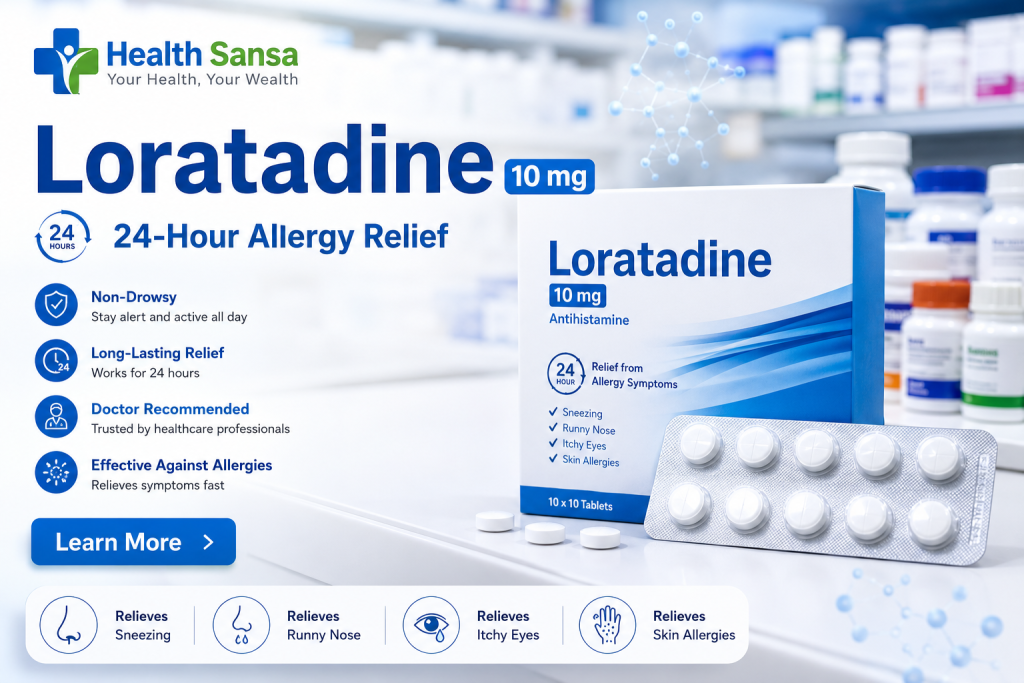
- Adults and children 6 years and older: 10 mg once daily.
- Children 2–5 years: 5 mg once daily (usually as a syrup).
Do not exceed the recommended dose unless instructed by a healthcare professional.
How to Take Loratadine?
To get the best results:
- Take loratadine once daily.
- Swallow tablets with a glass of water.
- It can be taken with or without food.
- If using syrup, measure the dose with a proper measuring device.
- Take it at the same time each day if used regularly.
- Continue taking it during allergy season if recommended by your doctor.
Common Side Effects
Most people experience few or no side effects.
Common side effects include:
- Headache
- Dry mouth
- Mild tiredness
- Dizziness
- Stomach discomfort
- Nervousness (more common in children)
These effects are generally mild and temporary.
Serious Side Effects
Although rare, seek immediate medical attention if you develop:
- Difficulty breathing
- Swelling of the lips, face, tongue, or throat
- Severe skin rash
- Fast or irregular heartbeat
- Severe dizziness or fainting
These symptoms may indicate a serious allergic reaction and require urgent care.
Who Should Not Take Loratadine?
Consult your healthcare provider before using loratadine if you:
- Are allergic to loratadine or any of its ingredients.
- Have severe liver disease.
- Have significant kidney disease.
- Are pregnant or planning to become pregnant.
- Are breastfeeding.
A healthcare professional can determine whether loratadine is appropriate for your situation.
Drug Interactions
Some medicines may affect how loratadine works or increase the chance of side effects.
Examples include:
- Certain antibiotics
- Some antifungal medicines
- Medicines used to treat HIV
- Other antihistamines
- Medicines that affect liver enzymes
Always inform your doctor or pharmacist about all prescription medicines, over-the-counter medicines, vitamins, and herbal supplements you use.
Lifestyle Tips for Better Allergy Control
Medicine is most effective when combined with healthy habits.
Helpful tips include:
- Avoid known allergy triggers whenever possible.
- Keep windows closed during high-pollen days.
- Shower and change clothes after spending time outdoors.
- Wash bedding regularly in hot water.
- Vacuum frequently to reduce dust.
- Use air purifiers if recommended.
- Stay well hydrated.
- Avoid smoking and secondhand smoke.
- Follow a balanced diet and get enough sleep.
Monitoring During Treatment
Most healthy people do not require special monitoring while taking loratadine.
However, contact your healthcare provider if:
- Symptoms continue despite treatment.
- Allergy symptoms become worse.
- You develop unusual side effects.
- You need to take loratadine for an extended period.
Regular medical review may be recommended for people with liver or kidney disease.
Advantages of Loratadine
- Long-lasting 24-hour allergy relief.
- Low risk of drowsiness.
- Convenient once-daily dosing.
- Effective for seasonal and year-round allergies.
- Helps relieve chronic hives.
- Suitable for many adults and children.
- Generally well tolerated.
- Available in several dosage forms.
Disadvantages of Loratadine
- Does not treat severe allergic reactions such as anaphylaxis.
- May not completely relieve symptoms in every individual.
- Mild side effects such as headache or dry mouth may occur.
- Requires caution in people with liver disease.
- Should only be taken at the recommended dose.
Storage Instructions
Store loratadine correctly to maintain its quality.
- Keep it at room temperature.
- Protect it from heat, moisture, and direct sunlight.
- Store it in its original packaging.
- Keep it out of the reach of children.
- Do not use it after the expiry date.
Frequently Asked Questions
Can loratadine cure allergies?
No. Loratadine does not cure allergies, but it effectively relieves allergy symptoms while you are taking it.
How long does loratadine take to work?
Most people notice improvement within 1 to 3 hours, and the effects usually last 24 hours.
Can I take loratadine every day?
Yes. Many people safely take loratadine daily during allergy season or as advised by their healthcare provider.
Does loratadine make you sleepy?
Loratadine is considered a non-drowsy antihistamine. However, a small number of people may still experience mild sleepiness.
Can children use loratadine?
Yes. Loratadine is approved for children above certain ages, but the dose should be based on the child’s age, weight, and the product instructions or a doctor’s advice.
Conclusion
Loratadine is a safe, effective, and widely trusted antihistamine used to treat seasonal allergies, year-round allergies, chronic hives, and other allergic conditions. By blocking the effects of histamine, it helps relieve symptoms such as sneezing, a runny nose, itchy eyes, watery eyes, and skin itching. Its long-lasting 24-hour action and low risk of causing drowsiness make it a convenient option for many people. When used according to the recommended dosage and combined with avoiding allergy triggers, loratadine can significantly improve comfort and quality of life. If symptoms persist, worsen, or you experience serious side effects, consult a healthcare professional for further evaluation and guidance.