Introduction
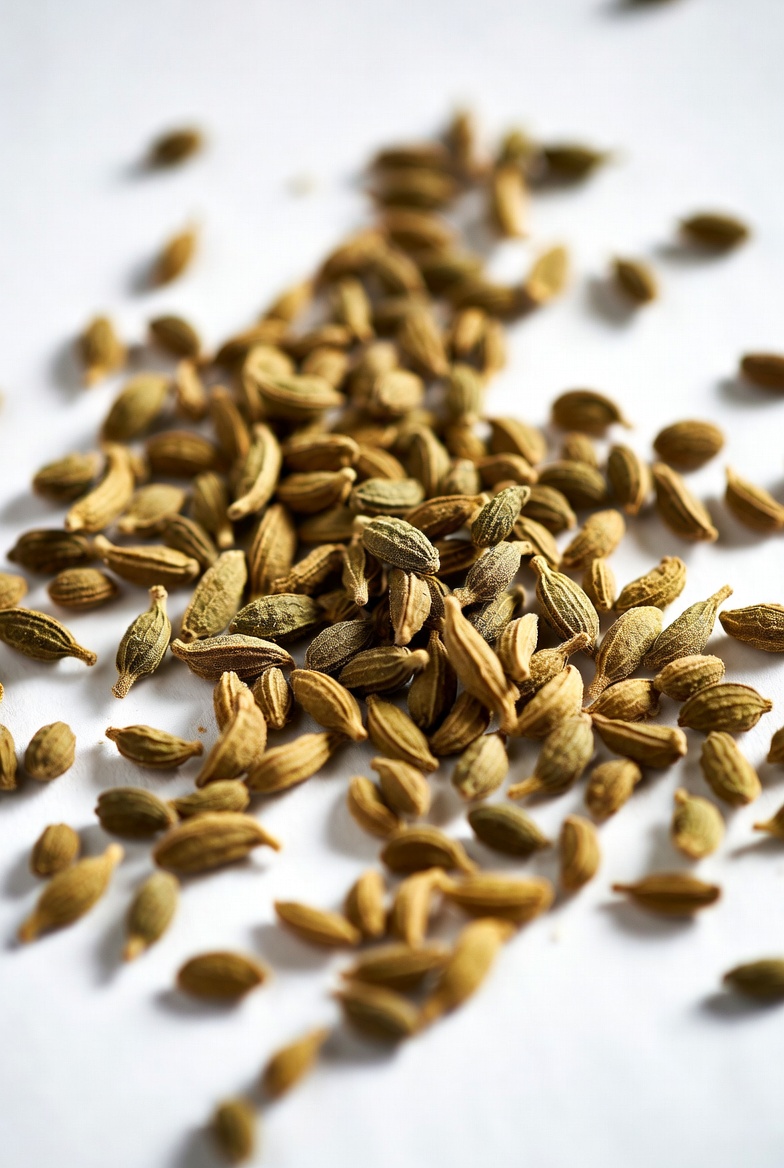
Ajwain, also known as carom seeds, is a popular spice used in many South Asian and Middle Eastern cuisines. It comes from the plant Trachyspermum ammi, which belongs to the parsley family. Although commonly called a seed, ajwain is technically the fruit of the plant. It has a strong aroma and a slightly bitter, pungent taste that resembles thyme because both contain a compound called thymol.For centuries, ajwain has been valued not only as a culinary spice but also as a traditional remedy in Ayurveda and Unani medicine. It is widely used to support digestion, relieve bloating, reduce gas, ease cold symptoms, and enhance the flavor of food. Today, scientific research is exploring many of these traditional uses, showing that ajwain contains several beneficial compounds with antioxidant, antimicrobial, and anti-inflammatory properties.Ajwain is inexpensive, easy to store, and highly versatile. A small amount can add both flavor and health benefits to everyday meals. However, like all natural remedies, it should be consumed in moderation because excessive intake may cause side effects.
Nutritional Components of Ajwain (Per 100 g)
Uses of Ajwain
Advantages (Pros) of Ajwain
Disadvantages (Cons) of Ajwain