📢 Advertise with us

Introduction

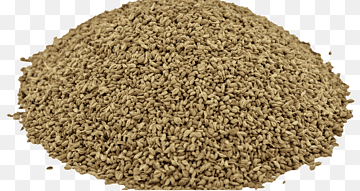
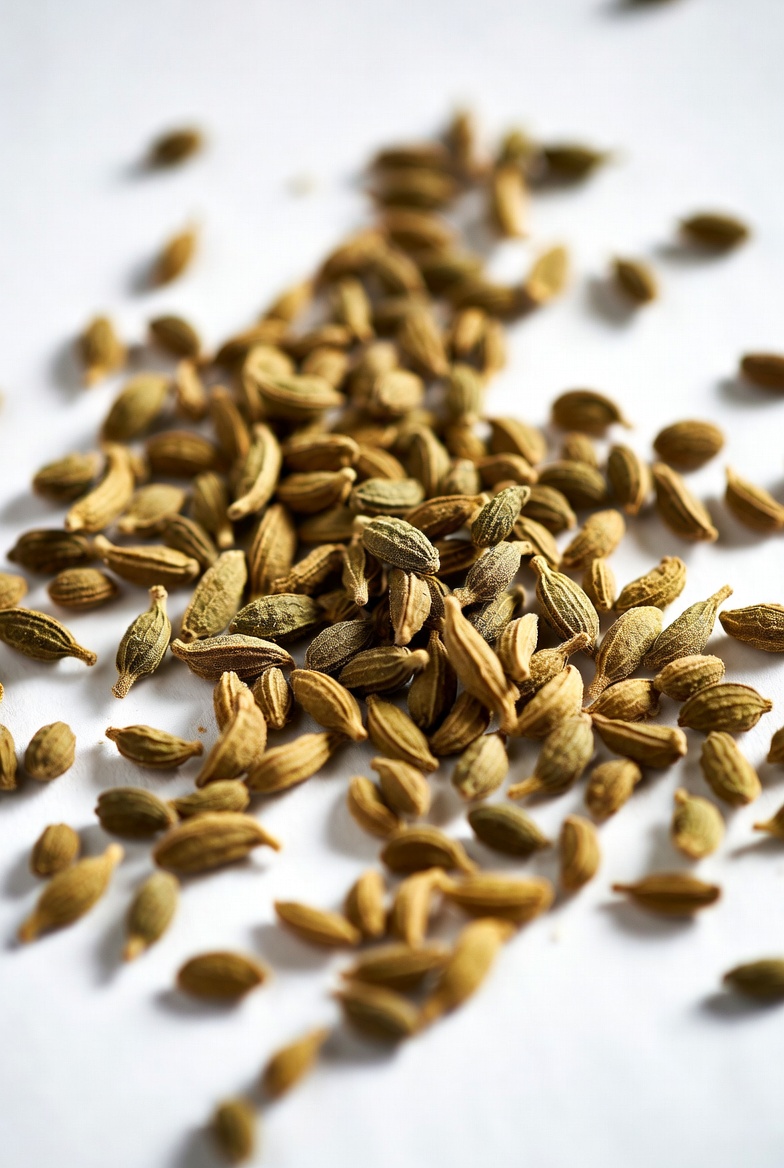
Ajwain, also known as carom seeds, is a popular spice used in many South Asian and Middle Eastern cuisines. It comes from the plant Trachyspermum ammi, which belongs to the parsley family. Although commonly called a seed, ajwain is technically the fruit of the plant. It has a strong aroma and a slightly bitter, pungent taste that resembles thyme because both contain a compound called thymol.For centuries, ajwain has been valued not only as a culinary spice but also as a traditional remedy in Ayurveda and Unani medicine. It is widely used to support digestion, relieve bloating, reduce gas, ease cold symptoms, and enhance the flavor of food. Today, scientific research is exploring many of these traditional uses, showing that ajwain contains several beneficial compounds with antioxidant, antimicrobial, and anti-inflammatory properties.Ajwain is inexpensive, easy to store, and highly versatile. A small amount can add both flavor and health benefits to everyday meals. However, like all natural remedies, it should be consumed in moderation because excessive intake may cause side effects.

Nutritional Components of Ajwain (Per 100 g)

NutrientApproximate Amount
Energy305 kcal
Carbohydrates43 g
Protein16 g
Fat25 g
Dietary Fiber39 g
Calcium660 mg
Iron9 mg
Magnesium130 mg
Phosphorus80 mg
Potassium950 mg
Sodium10 mg
Zinc4 mg
Vitamin ASmall amount
Vitamin CTrace amount
Essential Oils2–5%
ThymolMajor active compound

Uses of Ajwain

Ajwain has numerous culinary, medicinal, and household uses.

1. Improves Digestion

Ajwain is most famous for promoting healthy digestion. It stimulates the secretion of digestive enzymes and gastric juices, helping the body digest food efficiently. Many people consume roasted ajwain with a pinch of salt after meals to reduce indigestion.


2. Relieves Gas and Bloating

Ajwain acts as a natural carminative, helping release trapped gas from the digestive tract. It can reduce abdominal discomfort, bloating, and stomach cramps after heavy meals.


3. Helps with Acidity

Ajwain may help neutralize excess stomach acid and improve digestion. Drinking warm water with ajwain is a common home remedy for mild acidity.


4. Supports Respiratory Health

The thymol present in ajwain may help loosen mucus and clear the airways. It is commonly used in traditional remedies for:

  • Cough
  • Cold
  • Nasal congestion
  • Mild asthma symptoms
  • Bronchitis

5. May Help Manage Blood Sugar

Some research suggests ajwain may contribute to healthy blood sugar regulation when combined with a balanced diet and regular exercise. It should never replace prescribed diabetes medications.


6. Supports Heart Health

Ajwain contains antioxidants that may reduce oxidative stress. It may also contribute to maintaining healthy cholesterol levels and support normal blood circulation when consumed as part of a healthy lifestyle.


7. Has Antibacterial Properties

The essential oils in ajwain help inhibit the growth of certain bacteria and fungi. This is one reason it has traditionally been used to preserve food and support oral hygiene.


8. May Reduce Joint Pain

Its anti-inflammatory properties may provide relief from mild muscle pain and joint stiffness. In traditional medicine, ajwain oil is sometimes used for massage.


9. Used in Cooking

Ajwain is commonly added to:

  • Bread
  • Paratha
  • Pakora
  • Samosa
  • Dal
  • Pickles
  • Biscuits
  • Vegetable curries

Its strong flavor enhances dishes while making them easier to digest.


10. Used in Herbal Tea

Ajwain tea is a popular home remedy for:

  • Cold
  • Sore throat
  • Indigestion
  • Bloating
  • Mild stomach discomfort

Advantages (Pros) of Ajwain

1. Excellent Digestive Aid

Ajwain helps relieve indigestion, gas, constipation, and bloating naturally.


2. Rich in Antioxidants

Its antioxidants help protect cells from damage caused by free radicals.


3. Natural Antimicrobial Agent

The thymol in ajwain can inhibit harmful bacteria and fungi.


4. Supports Healthy Metabolism

Ajwain may improve digestion and nutrient absorption, supporting overall metabolic health.


5. May Help Control Cholesterol

Some studies suggest ajwain may contribute to maintaining healthy cholesterol levels when combined with a balanced diet.


6. Supports Weight Management

Its fiber content promotes fullness, which may help reduce overeating as part of a healthy eating pattern.


7. Easy to Use

Ajwain can be:

  • Roasted
  • Boiled
  • Added to food
  • Used in tea
  • Ground into powder

8. Affordable

Ajwain is widely available and inexpensive, making it an accessible household spice.


9. Long Shelf Life

When stored in an airtight container away from moisture, ajwain remains fresh for many months.


10. Multipurpose Spice

It serves as both a flavorful cooking ingredient and a traditional home remedy.

Disadvantages (Cons) of Ajwain

Although generally safe in small culinary amounts, excessive consumption may cause problems.

1. Stomach Irritation

Large quantities may lead to:

  • Heartburn
  • Stomach irritation
  • Acid reflux
  • Burning sensation

2. Allergic Reactions

Some individuals may experience:

  • Skin rash
  • Itching
  • Swelling
  • Breathing difficulty (rare)

Anyone with signs of an allergic reaction should stop using it and seek medical care.


3. Not Recommended in Excess During Pregnancy

Small amounts used in cooking are generally considered safe. However, consuming large medicinal amounts during pregnancy should be avoided unless advised by a healthcare professional.


4. Possible Drug Interactions

Ajwain may interact with certain medications, particularly those related to blood sugar or blood clotting. People taking regular medication should consult a healthcare provider before using large amounts as a supplement.


5. Strong Flavor

Its pungent taste may not appeal to everyone and can easily overpower dishes if used excessively.


6. Mouth Irritation

Eating large quantities of raw ajwain may cause irritation or a burning sensation in the mouth.


7. May Affect Blood Sugar

Because ajwain may lower blood sugar slightly, individuals with diabetes should monitor their levels if consuming it regularly in medicinal amounts.

How to Consume Ajwain

Some common ways to include ajwain in your diet are:

  • Add ½–1 teaspoon to curries and vegetables.
  • Roast the seeds and chew a small pinch after meals.
  • Prepare ajwain tea by boiling 1 teaspoon of seeds in water for 5–10 minutes.
  • Mix into bread, paratha, biscuits, and snacks.
  • Sprinkle over lentils or soups for extra flavor.

Storage Tips

To maintain freshness:

  • Store in an airtight container.
  • Keep away from sunlight.
  • Avoid moisture.
  • Store in a cool, dry place.
  • Use a dry spoon when handling the seeds.

Proper storage helps preserve the essential oils responsible for ajwain’s flavor and aroma.

Precautions

  • Consume in moderation.
  • Avoid excessive medicinal use without professional guidance.
  • Pregnant or breastfeeding women should seek medical advice before using large quantities.
  • People with chronic illnesses or those taking medications should consult a healthcare professional before using ajwain as a remedy.
  • Keep out of reach of young children to prevent accidental overconsumption.

Conclusion

Ajwain (carom seeds) is a highly valued spice known for its distinctive flavor and long history of traditional medicinal use. Rich in fiber, minerals, antioxidants, and the active compound thymol, it is widely used to support digestion, relieve bloating, ease cold symptoms, and enhance the taste of many dishes. Its antimicrobial and anti-inflammatory properties further contribute to its reputation as a beneficial household remedy.

Despite its many advantages, ajwain should be consumed in moderation. While small amounts used in cooking are generally safe for most people, excessive intake may cause stomach irritation, allergic reactions, or interactions with certain medications. Used wisely as part of a balanced diet, ajwain can be a nutritious and flavorful addition to everyday meals, offering both culinary enjoyment and potential health benefits.


Leave a Reply

Your email address will not be published. Required fields are marked *

TOP