

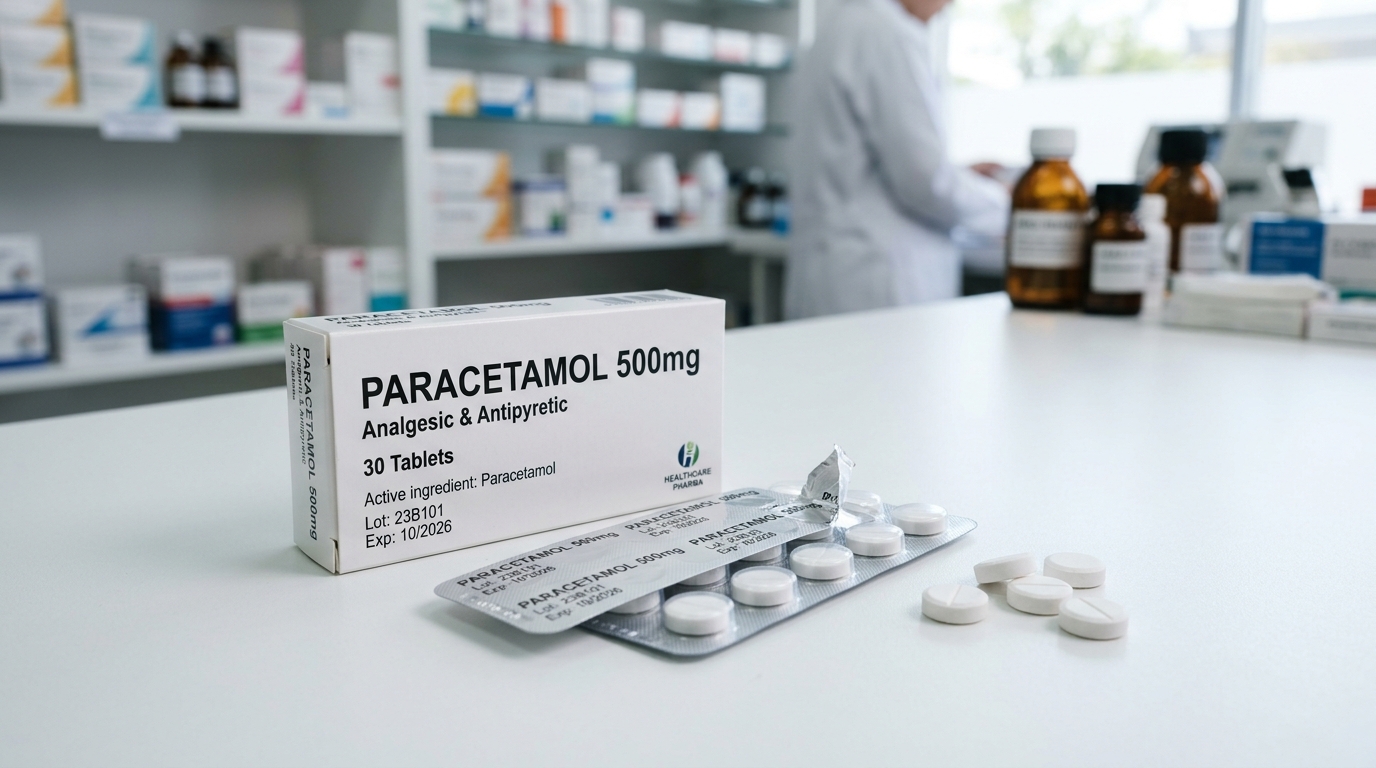
Paracetamol

Paracetamol is a common medicine used to reduce fever and relieve mild to moderate pain, such as headaches, toothaches, body aches, and muscle pain. It is safe and effective when taken in the correct dose, but taking too much can harm the liver.
Advantages of Paracetamol
- Effectively reduces fever.
- Relieves mild to moderate pain.
- Gentle on the stomach compared to many painkillers.
- Suitable for adults and children when taken in the correct dose.
- Easily available and affordable.
Disadvantages of Paracetamol
- Does not reduce swelling or inflammation.
- Taking too much can cause serious liver damage.
- May not be strong enough for severe pain.
- Can interact with some medicines if not used carefully.
- Overuse may increase the risk of side effects.
Why Is Paracetamol Used Instead of Other Medicines?
Paracetamol is often chosen because it is safe, effective, and gentle on the stomach when taken in the correct dose. It quickly reduces fever and relieves mild to moderate pain. Unlike some other painkillers, it is less likely to cause stomach irritation or bleeding, making it a good choice for many people, including children and older adults. However, the best medicine depends on the person’s health condition and the type of pain.

Symptoms of Fever
- High body temperature
- Chills and shivering
- Sweating
- Headache
- Body aches and muscle pain
- Feeling tired or weak
- Loss of appetite
- Feeling thirsty (dehydration)
- Warm or flushed skin
- Fast heartbeat

Conclusion
Paracetamol is a safe and effective medicine for reducing fever and relieving mild to moderate pain when taken in the correct dose. It is widely used because it is affordable, easy to find, and gentle on the stomach. Always follow the recommended dosage, as taking too much can cause serious liver damage.
Cetirizine
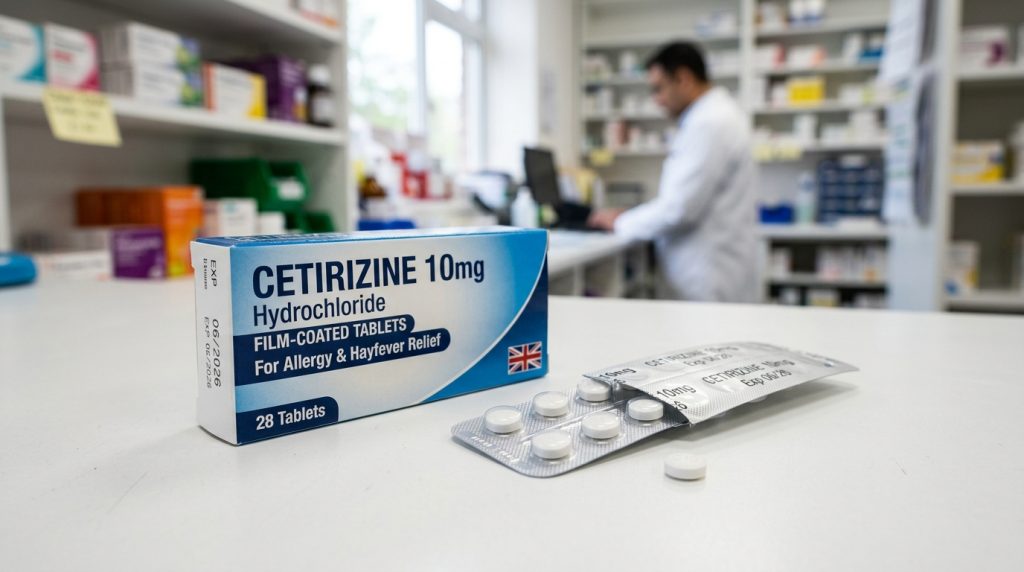
Cetirizine is a medicine used to treat allergies. It helps relieve symptoms such as sneezing, runny nose, itchy or watery eyes, and skin itching caused by allergies. It works by blocking histamine, a substance in the body that causes allergic reactions. It is safe and effective when taken as directed by a healthcare professional.
Advantages of Cetirizine
- Relieves allergy symptoms such as sneezing, runny nose, and itchy eyes.
- Helps reduce skin itching and hives.
- Starts working quickly for many people.
- Usually provides relief for up to 24 hours.
- Easy to take, usually once a day.
Disadvantages of Cetirizine
- May cause drowsiness or sleepiness in some people.
- Can cause dry mouth or dizziness.
- Not effective for treating bacterial or viral infections.
- Some people may experience headache or tiredness.
- Should be taken as directed to avoid unwanted side effects.
Why Is Cetirizine Used for Allergy and the Common Cold?
Cetirizine is mainly used to treat allergies because it blocks histamine, the chemical that causes symptoms like sneezing, a runny nose, itchy eyes, and skin itching. During a common cold, it may also help relieve symptoms such as a runny nose and sneezing, making you feel more comfortable. However, it does not cure the common cold or kill the virus that causes it.
Price of Cetirizine in Asia
The price of Cetirizine is different in each Asian country. In most countries, it is an affordable medicine. A strip of 10 tablets usually costs between $0.20 and $5 (about NPR 20–700), depending on the country and the brand.
Conclusion
Cetirizine is a safe and effective medicine used to treat allergies such as sneezing, a runny nose, itchy eyes, and skin itching. It provides quick relief and is easy to use when taken in the correct dose. Always follow the recommended dosage and consult a healthcare professional if symptoms continue or worsen.
Ibuprofen

Ibuprofen is a common medicine used to reduce pain, fever, and inflammation (swelling). It belongs to a group of medicines called Non-Steroidal Anti-Inflammatory Drugs (NSAIDs). It works by blocking the chemicals in the body that cause pain, swelling, and fever.
People commonly use ibuprofen to relieve headaches, toothaches, muscle pain, back pain, menstrual cramps, arthritis pain, and fever caused by infections. When taken in the recommended dose, it is generally safe and effective for short-term use. However, it should not be used for long periods or in high doses without a doctor’s advice, as it may cause side effects such as stomach irritation or kidney problems.
Advantages of Ibuprofen
- Relieves pain such as headaches, toothaches, muscle pain, and back pain.
- Reduces fever quickly.
- Helps reduce swelling and inflammation.
- Effective for menstrual cramps.
- Can help relieve arthritis pain and joint stiffness.
- Easily available in pharmacies and affordable.
Disadvantages of Ibuprofen
- May cause stomach pain, heartburn, or ulcers if taken for a long time.
- Can increase the risk of stomach bleeding, especially in older adults.
- May affect kidney function if used in high doses or for a long period.
- Can increase blood pressure in some people.
- Not suitable for everyone, especially people with severe kidney disease, stomach ulcers, or certain heart conditions .
Ibuprofen is a medicine commonly used to:
- Reduce pain – such as headaches, toothaches, muscle aches, back pain, and menstrual cramps.
- Reduce inflammation (swelling) – for example in sprains, strains, arthritis, or injuries.
- Lower fever – during infections like colds or flu.
It belongs to a group of medicines called nonsteroidal anti-inflammatory drugs (NSAIDs).
Common side effects:
- Stomach upset, heartburn, or nausea
- Dizziness
Important precautions:
- Take it with food or milk if it upsets your stomach.
- Avoid taking more than the recommended dose.
- People with stomach ulcers, kidney disease, heart disease, or certain other medical conditions should consult a doctor before using it.
The price of Ibuprofen depends on the brand, strength (200 mg, 400 mg, 600 mg), and manufacturer.
Approximate price in Nepal:
- Ibuprofen 200 mg tablet: NPR 2–3 per tablet.
- Ibuprofen 400 mg tablet: NPR 2–5 per tablet.
- Ibuprofen 600 mg tablet: NPR 2–4 per tablet.
If you buy a strip of 10 tablets, the cost is usually around NPR 20–50, depending on the brand and pharmacy.
Conclusion
Ibuprofen is an effective medicine used to relieve pain, reduce inflammation, and lower fever. It is commonly taken for headaches, toothaches, muscle pain, menstrual cramps, arthritis, and minor injuries. When used in the correct dose and as directed, it is generally safe and provides quick relief. However, it should not be taken for long periods or in excessive amounts, as it may cause side effects such as stomach irritation or kidney problems. For safe use, always follow the recommended dosage and consult a healthcare professional if symptoms continue or worsen.