

📢 Advertise with us

Introduction

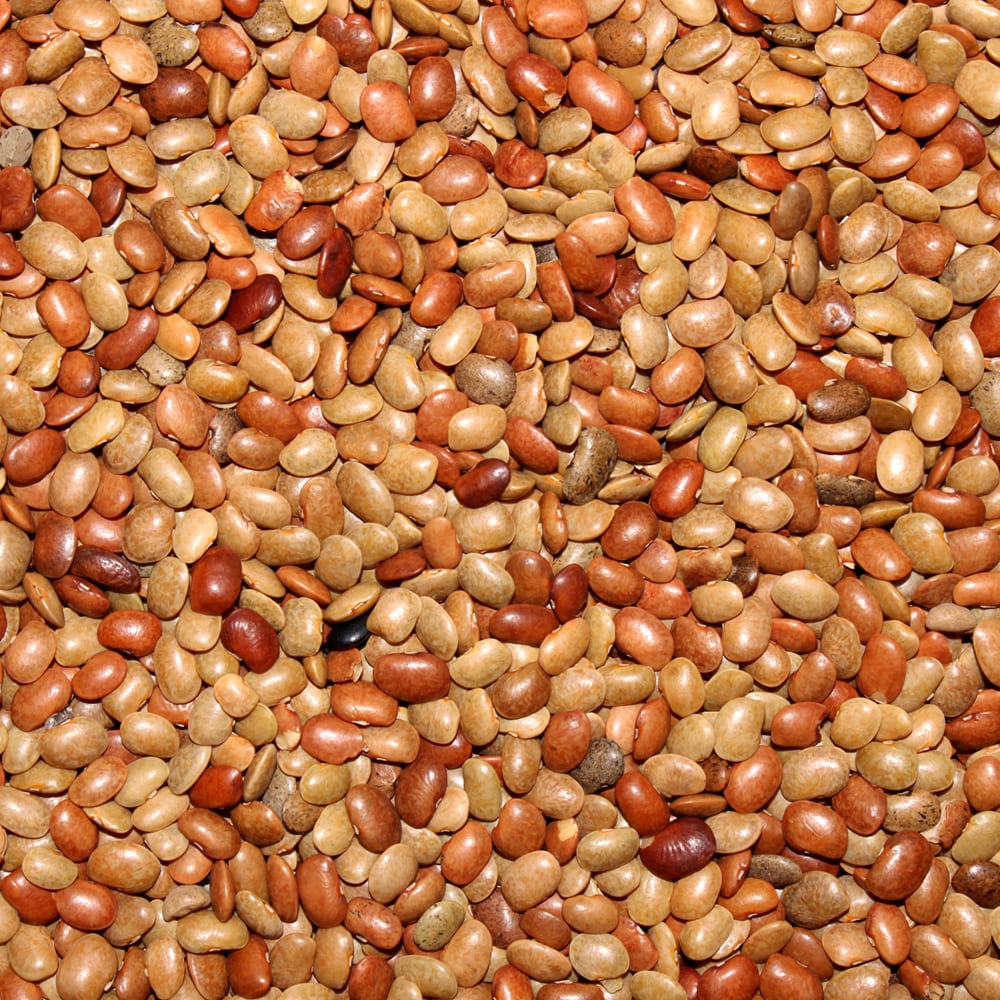
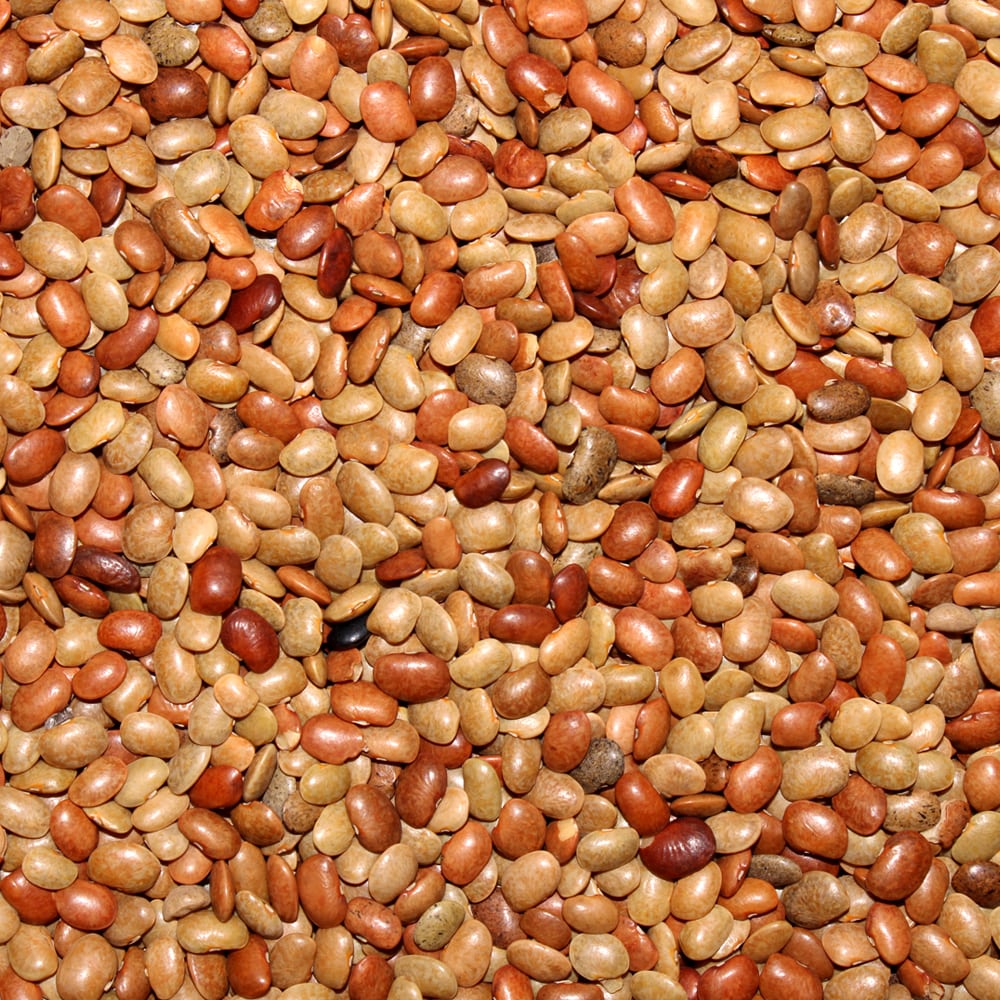
Horse gram (Macrotyloma uniflorum) is a highly nutritious legume that has been cultivated for centuries in India, Nepal, Sri Lanka, and other parts of South Asia. It is one of the oldest pulse crops known to mankind and is valued for its exceptional nutritional profile, drought resistance, and affordability. Horse gram is commonly known by different regional names, such as Kulthi in Hindi, Gahat in Uttarakhand, Kollu in Tamil, Hurali in Kannada, and Kulthi Dal in Nepal.Traditionally, horse gram has been used both as a food and as a medicinal ingredient in Ayurveda. It is known for its high protein and dietary fiber content, making it an excellent food for supporting overall health. It is commonly prepared as soups, curries, stews, sprouts, and flour for making flatbreads.In recent years, horse gram has gained attention as a "superfood" because of its rich nutrient composition and potential health benefits. It contains essential vitamins, minerals, antioxidants, and bioactive compounds that may help improve digestion, manage blood sugar levels, support heart health, and promote weight management. However, like any food, horse gram should be consumed in moderation and may not be suitable for everyone.

Nutrition Components of Horse Gram

NutrientAmount
Energy321 kcal
Carbohydrates57 g
Protein22 g
Fat0.5 g
Dietary Fiber5.3 g
Calcium287 mg
Iron7 mg
Magnesium311 mg
Phosphorus311 mg
Potassium800 mg
Sodium9 mg
Zinc2.5 mg
Vitamin CSmall amount
Folate40 mcg

Uses of Horse Gram

1. Culinary Uses

Horse gram is a versatile ingredient in many traditional dishes.

Common culinary uses include:

  • Making dal (lentil curry)
  • Preparing soups and stews
  • Cooking with rice
  • Sprouting for salads
  • Grinding into flour for rotis and pancakes
  • Preparing chutneys
  • Making healthy snacks

Its earthy flavor pairs well with spices and vegetables.


2. Weight Management

Horse gram is often included in weight-loss diets because it is high in protein and fiber, which help increase fullness and reduce hunger. It may help control calorie intake when eaten as part of a balanced diet.


3. Blood Sugar Support

Horse gram has a low glycemic index and contains complex carbohydrates and fiber that may help slow the absorption of sugar into the bloodstream. This can support healthy blood sugar management, particularly when combined with other healthy lifestyle habits.


4. Digestive Health

The dietary fiber in horse gram helps:

  • Improve bowel regularity
  • Prevent constipation
  • Support beneficial gut bacteria
  • Promote healthy digestion

5. Heart Health

Horse gram may support heart health by:

  • Helping maintain healthy cholesterol levels
  • Providing potassium for normal blood pressure
  • Supplying antioxidants that protect blood vessels from oxidative damage

6. Traditional Medicine

In Ayurveda, horse gram has traditionally been used to support:

  • Kidney health
  • Joint health
  • Respiratory wellness
  • Digestion
  • General vitality

While these traditional uses are well known, more scientific research is needed to confirm some of these effects.


7. Sports Nutrition

Because of its high protein content, horse gram is a good plant-based food for athletes and physically active individuals. It helps provide amino acids needed for muscle repair and growth.

Advantages (Health Benefits) of Horse Gram
1. Excellent Source of Plant Protein

Horse gram contains about 22 grams of protein per 100 grams, making it one of the richest protein sources among pulses. Protein supports:

  • Muscle growth and repair
  • Tissue maintenance
  • Enzyme production
  • Healthy immune function

2. High in Dietary Fiber

Fiber offers numerous health benefits, including:

  • Improved digestion
  • Prevention of constipation
  • Better blood sugar control
  • Increased satiety
  • Support for healthy cholesterol levels

3. Supports Weight Management

The combination of protein and fiber helps keep you feeling full for longer, reducing the likelihood of overeating. This makes horse gram a useful addition to weight-management diets.


4. May Help Manage Blood Sugar

The slow-digesting carbohydrates and fiber in horse gram may help reduce rapid spikes in blood sugar after meals, making it a healthy choice for many people, including those with diabetes. It should complement, not replace, prescribed treatments.


5. Supports Heart Health

Horse gram contains potassium, magnesium, fiber, and antioxidants that contribute to cardiovascular health. These nutrients help maintain normal blood pressure and support healthy cholesterol levels.


6. Rich in Antioxidants

Polyphenols and flavonoids help protect cells from damage caused by free radicals. This antioxidant activity may reduce inflammation and support overall health.


7. Strengthens Bones

Horse gram provides important minerals such as calcium, phosphorus, and magnesium, which play a vital role in maintaining strong bones and teeth.


8. Supports Healthy Digestion

Its fiber promotes regular bowel movements and nourishes beneficial gut bacteria, contributing to a healthier digestive system.


9. Provides Long-Lasting Energy

The complex carbohydrates in horse gram release energy slowly, making it a good choice for sustained energy throughout the day.


10. Affordable and Sustainable

Horse gram is inexpensive, easy to grow, and drought-resistant. It is an environmentally friendly crop that supports food security in many regions.

Disadvantages (Possible Side Effects) of Horse Gram

1. Digestive Discomfort

Eating large amounts, especially if your body is not used to high-fiber foods, may cause:

  • Gas
  • Bloating
  • Stomach discomfort

Soaking, sprouting, and cooking the beans thoroughly can help reduce these effects.


2. Antinutrients

Horse gram naturally contains compounds such as phytic acid and tannins, which can reduce the absorption of certain minerals like iron and zinc. Traditional preparation methods, including soaking, sprouting, and fermentation, help lower these compounds.


3. Not Suitable for Some Kidney Conditions

Horse gram is relatively high in potassium and phosphorus. Individuals with advanced kidney disease or those on potassium- or phosphorus-restricted diets should consult a healthcare professional before consuming large amounts.


4. Possible Allergic Reactions

Although uncommon, some individuals may experience allergic reactions, including:

  • Skin rash
  • Itching
  • Swelling

People with known legume allergies should use caution.


5. Excessive Intake May Affect Digestion

Overconsumption may lead to:

  • Diarrhea
  • Stomach cramps
  • Excessive fullness

Moderation is important.


6. Oxalate Content

Horse gram contains natural oxalates. People with a history of certain types of kidney stones may need to moderate their intake and discuss dietary choices with a healthcare provider.

How to Consume Horse Gram

Horse gram can be prepared in many delicious and nutritious ways:

  • Cook as a traditional dal with spices.
  • Prepare hearty soups and stews.
  • Sprout the beans and add them to salads.
  • Grind into flour for rotis or pancakes.
  • Add cooked horse gram to rice dishes.
  • Blend into chutneys or dips.
  • Roast for a crunchy, healthy snack.

Soaking the beans overnight before cooking improves texture, digestibility, and nutrient availability.

Who Should Be Careful?

The following groups should seek medical or dietary advice before consuming large amounts of horse gram:

  • People with advanced kidney disease
  • Individuals with a history of oxalate kidney stones
  • Those with legume allergies
  • People with digestive disorders who are sensitive to high-fiber foods

Most healthy individuals can enjoy horse gram safely as part of a varied and balanced diet.

Conclusion

Horse gram is a nutrient-rich legume that has been valued for centuries as both a staple food and a traditional medicinal ingredient. It is an excellent source of plant protein, dietary fiber, complex carbohydrates, calcium, magnesium, phosphorus, potassium, and antioxidants. These nutrients contribute to potential health benefits such as improved digestion, better blood sugar management, heart health support, weight management, and sustained energy.

Despite its many advantages, horse gram also contains antinutrients and may cause digestive discomfort or be unsuitable for people with certain kidney conditions or legume allergies. Proper preparation methods—such as soaking, sprouting, and thorough cooking—can improve digestibility and reduce antinutrient levels.

When consumed in moderation as part of a balanced diet, horse gram is a wholesome, affordable, and sustainable food that supports overall health and nutrition. Its rich nutritional profile and versatility make it an excellent addition to meals for people of all ages.


Leave a Reply

Your email address will not be published. Required fields are marked *

TOP