

Introduction
Vinegar is one of the oldest and most versatile ingredients used around the world. It has been a part of human civilization for thousands of years, serving as a cooking ingredient, food preservative, natural cleaner, and traditional home remedy. Today, vinegar is found in almost every kitchen because of its unique sour flavor and wide range of practical uses.
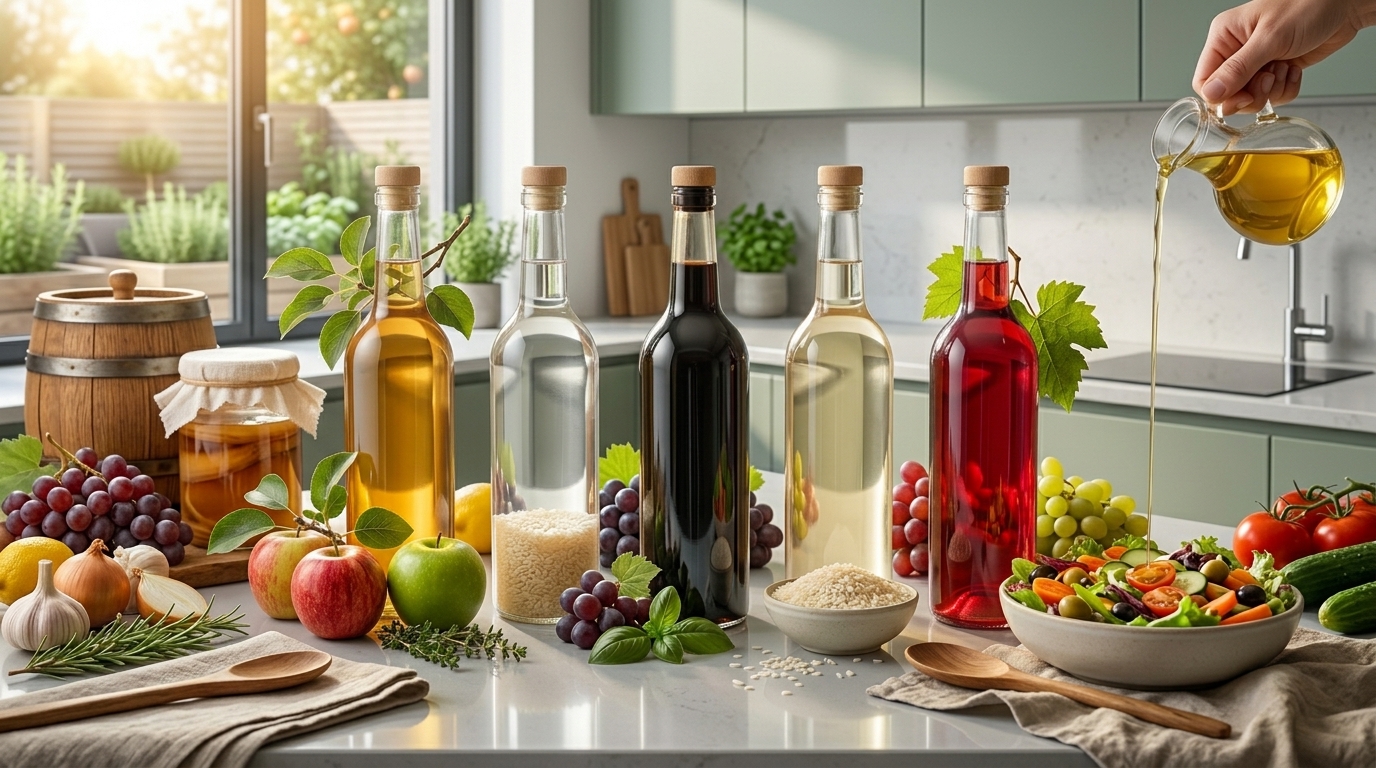
Made through a natural fermentation process, vinegar is produced when beneficial bacteria convert alcohol into acetic acid. This acetic acid gives vinegar its characteristic tangy taste and strong aroma. Depending on the ingredients used, vinegar comes in several varieties, including apple cider vinegar, white vinegar, balsamic vinegar, rice vinegar, and red wine vinegar. Each type has its own flavor, color, and purpose.
In recent years, vinegar has become increasingly popular because many people believe it may support healthy digestion, help maintain normal blood sugar levels, and enhance the taste of meals without adding many calories. Although vinegar is not a miracle health product, using it in moderation as part of a balanced diet can provide several benefits.
This guide explains everything you need to know about vinegar, including how it is made, its nutritional value, common types, health benefits, everyday uses, possible side effects, and tips for safe consumption.
What Is Vinegar?
Vinegar is a sour liquid created through a two-step fermentation process.
In the first step, natural sugars found in fruits, grains, or other plant-based ingredients are converted into alcohol by yeast. In the second step, special bacteria known as acetic acid bacteria convert the alcohol into acetic acid. This acid is responsible for vinegar’s distinctive flavor, aroma, and preservative properties.
Most commercial vinegars contain between 4% and 8% acetic acid, with the remaining portion consisting mainly of water and small amounts of vitamins, minerals, antioxidants, and plant compounds, depending on the type of vinegar.
Because of its acidity, vinegar helps preserve food, improves flavor, and can be used for many household purposes.
History of Vinegar
The history of vinegar dates back more than 5,000 years. Historians believe it was first discovered accidentally when wine or fruit juice was left exposed to air and naturally fermented.
Ancient civilizations quickly recognized its value.
- The Babylonians used vinegar for preserving foods and making medicines.
- The Egyptians included vinegar in cooking and traditional healing practices.
- The Greeks and Romans used vinegar as a seasoning, cleaning agent, and beverage ingredient.
- In many Asian countries, rice vinegar became an important part of traditional cuisine.
Today, vinegar continues to be an essential ingredient in homes, restaurants, and food industries across the world.
How Vinegar Is Made
The production of vinegar involves two natural fermentation stages.
Step 1: Alcohol Fermentation
Natural sugars from apples, grapes, rice, barley, sugarcane, or other ingredients are fermented by yeast, producing alcohol.
Step 2: Acetic Acid Fermentation
Acetic acid bacteria convert the alcohol into acetic acid while oxygen is present.
The finished vinegar is then filtered, aged (for some varieties), bottled, and prepared for sale.
Premium vinegars, especially balsamic vinegar, may be aged in wooden barrels for several years to develop a rich flavor.
Types of Vinegar
1. Apple Cider Vinegar
Apple cider vinegar is made from fermented apple juice. It has a mild fruity flavor and is one of the most popular vinegars for cooking and home remedies.
Common uses include:
- Salad dressings
- Marinades
- Homemade sauces
- Pickling vegetables
- Traditional wellness drinks (always diluted)
2. White Vinegar
White vinegar is clear, colorless, and has a stronger acidic taste.
It is commonly used for:
- Pickling
- Cleaning kitchen surfaces
- Removing odors
- Baking
- Food preservation
3. Balsamic Vinegar
Balsamic vinegar is produced from grape juice and aged in wooden barrels.
It has:
- A sweet and tangy flavor
- Thick consistency
- Dark brown color
It is popular in:
- Salads
- Cheese platters
- Roasted vegetables
- Meat dishes
- Gourmet recipes
4. Rice Vinegar
Rice vinegar is made from fermented rice.
It has a mild and slightly sweet taste and is widely used in Asian cooking.
Common dishes include:
- Sushi rice
- Stir-fries
- Dipping sauces
- Noodle dishes
5. Red Wine Vinegar
Red wine vinegar is produced by fermenting red wine.
It offers a bold flavor that works well in:
- Marinades
- Salad dressings
- Soups
- Mediterranean recipes
Nutritional Value of Vinegar
Although vinegar is low in calories, some varieties contain beneficial plant compounds.
Typical nutritional value per tablespoon includes:
- Calories: 2–3
- Fat: 0 g
- Protein: 0 g
- Carbohydrates: Less than 1 g
- Sugar: Very little
- Sodium: Minimal
- Potassium: Small amount (mainly in apple cider vinegar)
Some vinegars also contain natural antioxidants that help protect the body’s cells from oxidative damage.
Why Is Vinegar Popular?
Vinegar has remained popular for centuries because it is:
- Affordable
- Easy to use
- Long-lasting
- Low in calories
- Versatile in cooking
- Useful for food preservation
- Helpful for household cleaning
- Available in many flavors
Its combination of culinary, household, and traditional wellness uses makes vinegar one of the most practical ingredients found in homes.
Possible Side Effects
Although vinegar is generally safe in moderate amounts, excessive consumption can cause problems.
- Tooth enamel erosion
- Throat irritation
- Stomach discomfort
- Acid reflux in sensitive individuals
- Lower potassium levels if consumed excessively over a long period
- Possible interactions with certain medications, including diabetes medications and diuretics
Always dilute vinegar before drinking it. Never consume large amounts of undiluted vinegar.
Tips for Safe Use
- Use vinegar in moderation.
- Dilute apple cider vinegar with water before drinking.
- Avoid drinking it on an empty stomach if it causes discomfort.
- Rinse your mouth with water after consuming vinegar to help protect your teeth.
- Store vinegar in a cool, dry place away from direct sunlight.
Who Should Be Careful?
People with stomach ulcers, severe acid reflux, sensitive teeth, kidney conditions, or those taking medications that affect blood sugar or potassium levels should consult a healthcare professional before using vinegar regularly as a health supplement.
Conclusion
Vinegar is a simple yet remarkably useful ingredient with a long history of culinary, household, and traditional health applications. Different types of vinegar offer unique flavors and uses, from enhancing salads to preserving foods and supporting healthy cooking. While moderate use may provide certain health benefits, vinegar should not replace a balanced diet or medical treatment. Consumed wisely and in appropriate amounts, vinegar can be a valuable addition to everyday life.