

Introduction
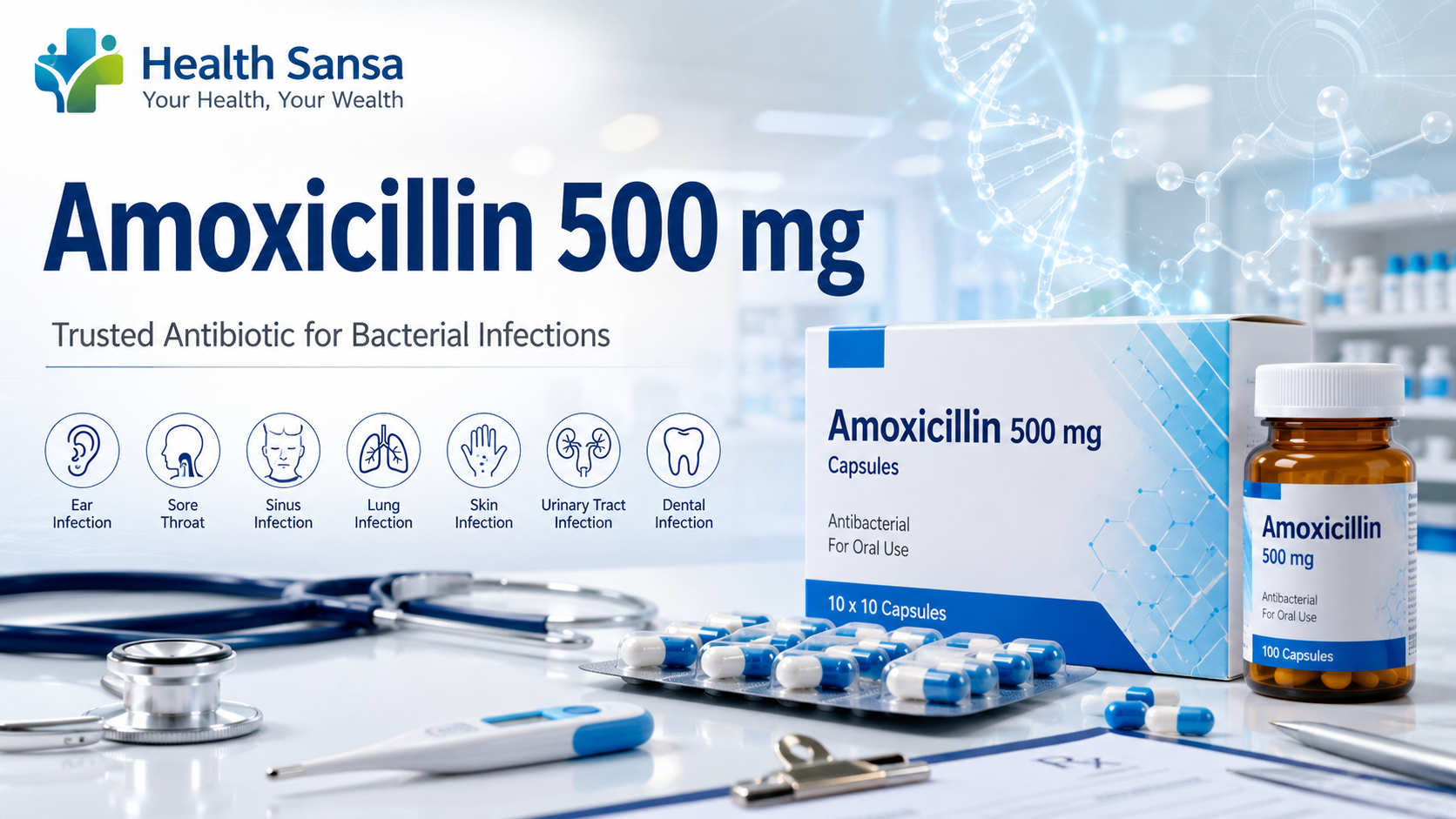
Amoxicillin is one of the most commonly prescribed antibiotics in the world. It is used to treat many types of bacterial infections, including infections of the throat, ears, lungs, skin, urinary tract, and teeth. Doctors prescribe amoxicillin because it is effective, affordable, and generally safe when used correctly.
Amoxicillin belongs to the penicillin group of antibiotics. It works by killing bacteria or preventing them from growing. However, it does not work against viral infections such as the common cold, flu, or COVID-19. Taking antibiotics when they are not needed can contribute to antibiotic resistance, making future infections harder to treat.
Whether prescribed for children or adults, amoxicillin is available in capsules, tablets, chewable tablets, and oral suspension (liquid), making it easy for people of all ages to take.
What is Amoxicillin?
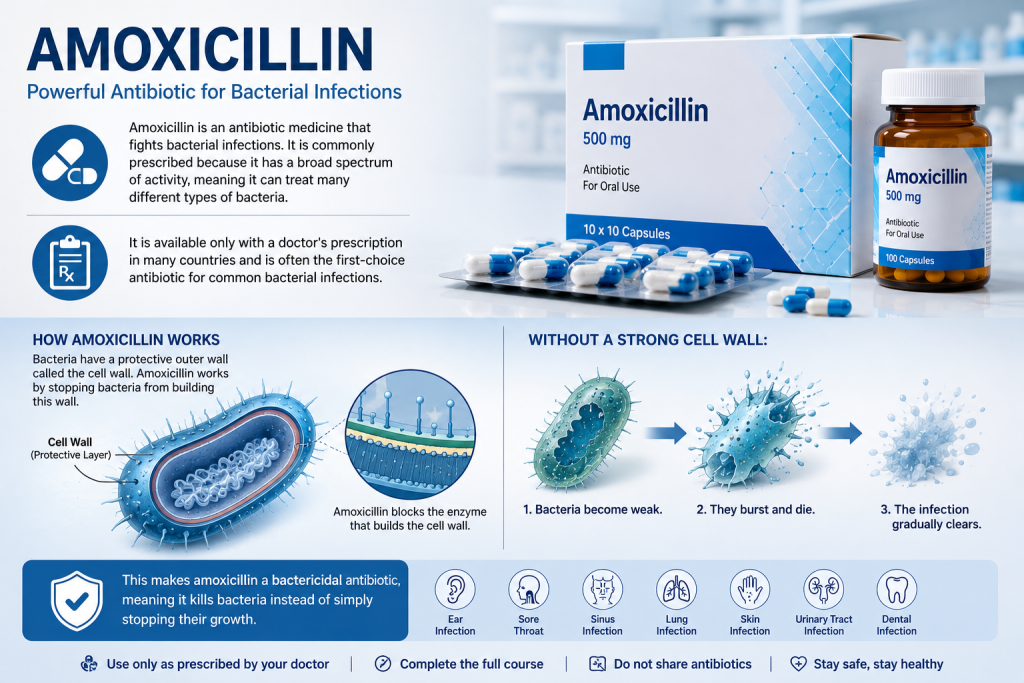
Amoxicillin is an antibiotic medicine that fights bacterial infections. It is commonly prescribed because it has a broad spectrum of activity, meaning it can treat many different types of bacteria.
It is available only with a doctor’s prescription in many countries and is often the first-choice antibiotic for common bacterial infections.
How Does Amoxicillin Work?
Bacteria have a protective outer wall called the cell wall. Amoxicillin works by stopping bacteria from building this wall.
Without a strong cell wall:
- Bacteria become weak.
- They burst and die.
- The infection gradually clears.
This makes amoxicillin a bactericidal antibiotic, meaning it kills bacteria instead of simply stopping their growth.
Uses of Amoxicillin
Doctors prescribe amoxicillin for many bacterial infections, including:
1. Ear Infections
It is commonly used to treat middle ear infections, especially in children.
2. Throat Infections
It helps treat bacterial sore throat and strep throat.
3. Sinus Infections
Amoxicillin is effective against many bacteria that cause sinusitis.
4. Chest Infections
It treats bacterial bronchitis and certain types of pneumonia.
5. Urinary Tract Infections (UTIs)
Some urinary infections respond well to amoxicillin.
6. Skin Infections
Doctors prescribe it for infected cuts, wounds, and bacterial skin diseases.
7. Dental Infections
Dentists often prescribe amoxicillin for tooth abscesses and gum infections.
8. Helicobacter pylori Infection
It is used with other medicines to treat stomach ulcers caused by H. pylori bacteria.
Benefits of Amoxicillin
Amoxicillin has many advantages:
- Treats a wide range of bacterial infections.
- Starts working quickly.
- Safe for children when prescribed.
- Available in tablets, capsules, and syrup.
- Affordable and widely available.
- Usually well tolerated.
- Helps reduce fever caused by bacterial infections.
- Prevents infection from spreading.
- Can prevent complications when treatment is started early.
Dosage
The dose depends on:
- Age
- Body weight
- Type of infection
- Severity of illness
- Kidney function
Typical schedules include:
- Every 8 hours (three times daily)
- Every 12 hours (twice daily)
Always:
- Take exactly as prescribed.
- Finish the full course.
- Do not skip doses.
- Do not stop early, even if you feel better.
How to Take Amoxicillin?
For best results:
- Take it with or without food.
- Swallow tablets with water.
- Shake the liquid medicine before use.
- Measure liquid doses with a medicine spoon or syringe.
- Take doses at the same time every day.
- Complete the prescribed course.
Common Side Effects
Most people tolerate amoxicillin well.
Possible side effects include:
- Nausea
- Vomiting
- Diarrhea
- Mild stomach pain
- Headache
- Skin rash
- White patches in the mouth (thrush)
These side effects are usually mild and go away after treatment.
Serious Side Effects
Seek medical help immediately if you experience:
- Severe allergic reaction
- Difficulty breathing
- Swelling of the face, lips, or throat
- Severe skin rash
- Persistent severe diarrhea
- Yellow skin or eyes (possible liver problems)
These reactions are uncommon but require urgent medical attention.
Who Should Not Take Amoxicillin?
Amoxicillin may not be suitable for people who:
- Are allergic to penicillin antibiotics.
- Have had severe reactions to similar antibiotics.
- Have certain kidney problems.
- Have infectious mononucleosis (glandular fever), which increases the risk of rash.
Always inform your healthcare provider about your medical history before taking this medicine.
Drug Interactions
Amoxicillin may interact with certain medicines, including:
- Blood thinners (such as warfarin)
- Methotrexate
- Allopurinol
- Some oral contraceptive pills (additional contraception may sometimes be advised)
Always tell your doctor or pharmacist about all medicines and supplements you are taking.
Can Pregnant or Breastfeeding Women Take It?
Amoxicillin is generally considered safe during pregnancy and while breastfeeding when prescribed by a healthcare professional.
Always consult your doctor before taking any medication during pregnancy or breastfeeding.
Precautions
Before taking amoxicillin:
- Tell your doctor about any allergies.
- Inform them if you have kidney disease.
- Mention all medications you take.
- Avoid sharing antibiotics with others.
- Do not use leftover antibiotics without medical advice.
What Happens if You Miss a Dose?
If you forget a dose:
- Take it as soon as you remember.
- If it’s almost time for the next dose, skip the missed dose.
- Never take two doses together.
Overdose
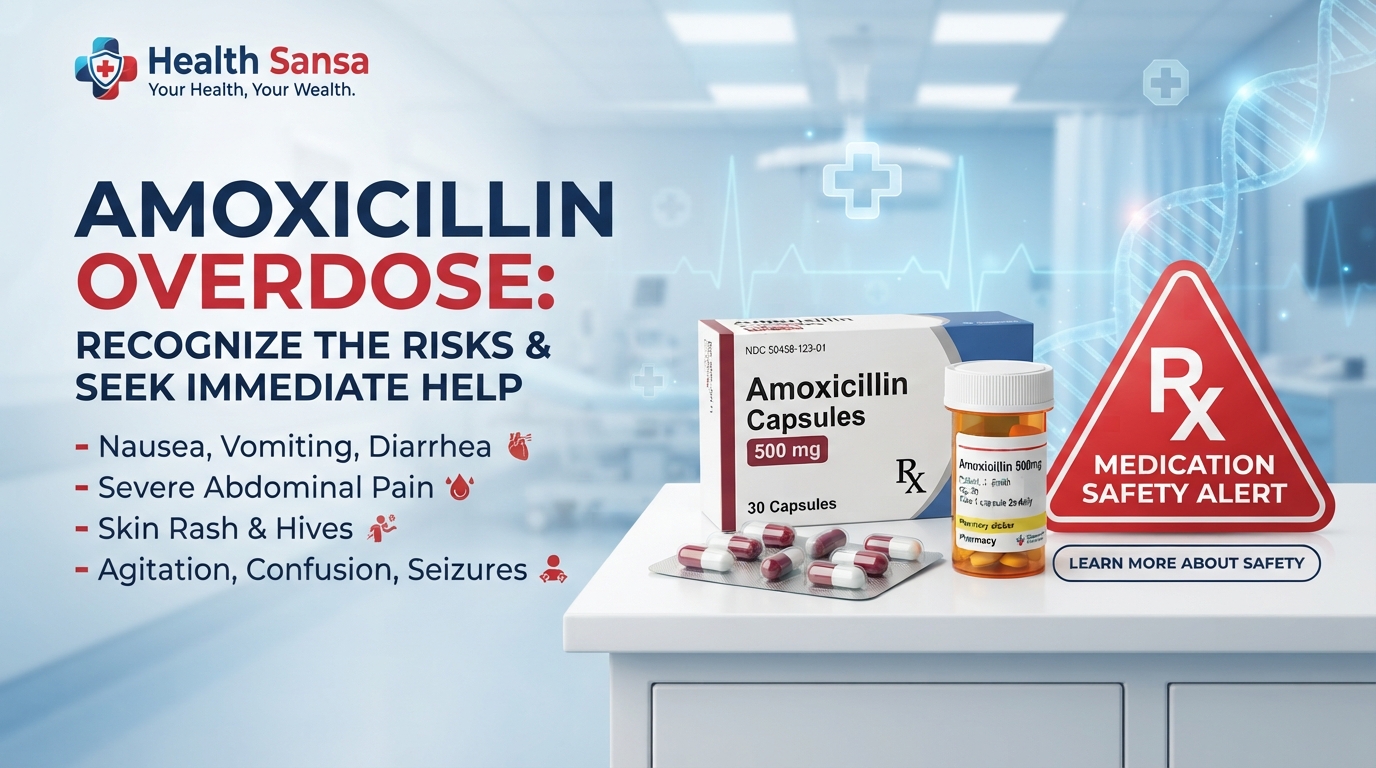
Taking too much amoxicillin may cause:
- Severe stomach upset
- Vomiting
- Diarrhea
- Confusion
- Kidney problems (rare)
Seek medical attention immediately if an overdose is suspected.
Storage
Store amoxicillin:
- At room temperature unless otherwise directed.
- Away from heat and moisture.
- Out of reach of children.
Liquid amoxicillin may need refrigeration depending on the formulation. Follow the instructions provided with the medicine.
Why Antibiotic Resistance Matters?
Antibiotic resistance happens when bacteria no longer respond to antibiotics. To help prevent resistance:
- Only take antibiotics when prescribed.
- Complete the full course.
- Never share antibiotics.
- Do not save leftover medicine for future use.
Responsible antibiotic use helps protect both individual and public health.
Price of Amoxicillin in Asia (Approximate)
Prices vary depending on the country, brand, dosage, and package size.
| Country | Approximate Price |
|---|---|
| Nepal | NPR 50–300 |
| India | INR 30–250 |
| Bangladesh | BDT 60–250 |
| Pakistan | PKR 150–600 |
| Sri Lanka | LKR 250–900 |
| China | CNY 10–50 |
| Thailand | THB 60–250 |
Conclusion
Amoxicillin is one of the most effective and widely used antibiotics for treating bacterial infections. It works by killing bacteria and helps treat conditions such as ear infections, throat infections, pneumonia, skin infections, urinary tract infections, and dental infections. When taken exactly as prescribed and for the full course, it is generally safe and highly effective. However, it should only be used for bacterial infections—not viral illnesses like the common cold or flu. Responsible use of amoxicillin helps ensure successful treatment while reducing the risk of antibiotic resistance.