📢 Advertise with us

Papaya: A Complete Guide

Papaya is one of the most nutritious tropical fruits, loved for its sweet taste, vibrant orange flesh, and numerous health benefits. It is often called a superfruit because it is packed with essential vitamins, minerals, antioxidants, and digestive enzymes that support overall health.

Originally native to Central America, papaya is now grown in many tropical and subtropical countries, including Nepal, India, Bangladesh, Thailand, and Brazil. It is enjoyed fresh, in smoothies, salads, desserts, and even as a natural remedy in traditional medicine.

Whether you're looking to improve digestion, strengthen your immune system, or maintain healthy skin, papaya is an excellent addition to your daily diet.

What is Papaya?

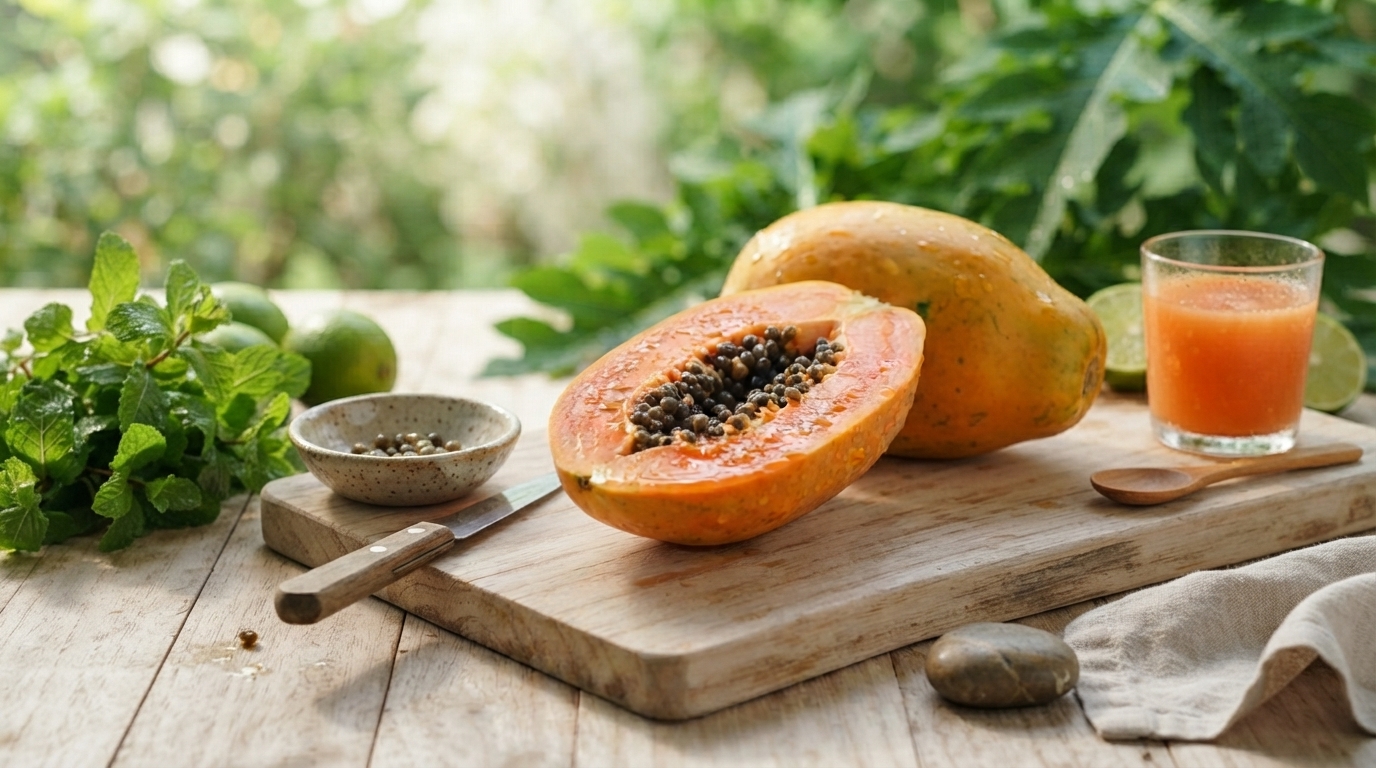
Papaya is a tropical fruit that grows on the papaya tree. It has soft orange or reddish flesh filled with small black edible seeds. The fruit is sweet when ripe and has a mild flavor that appeals to people of all ages.
The scientific name of papaya is Carica papaya. Almost every part of the plant—including its fruit, leaves, seeds, and latex—has been used for nutritional and medicinal purposes.

Nutritional Components of Papaya

NutrientAmount
Calories43 kcal
Carbohydrates11 g
Dietary Fiber1.7 g
Protein0.5 g
Fat0.3 g
Vitamin C60.9 mg
Vitamin A950 IU
Folate37 mcg
Potassium182 mg
Magnesium21 mg
Calcium20 mg

Health Benefits of Papaya

1. Improves Digestion

Papaya contains a natural digestive enzyme called papain, which helps break down proteins and makes digestion easier. It may help reduce bloating, constipation, and indigestion.


2. Boosts Immunity

Papaya is an excellent source of Vitamin C. A single serving provides more than the daily recommended intake, helping strengthen the immune system and protect against infections.


3. Supports Heart Health

The antioxidants, potassium, and fiber found in papaya help maintain healthy blood pressure, reduce bad cholesterol (LDL), and lower the risk of heart disease.


4. Promotes Healthy Skin

Vitamin A, Vitamin C, and antioxidants help maintain glowing skin by reducing wrinkles, preventing damage from free radicals, and supporting collagen production.

5. Supports Bone Health

Papaya provides magnesium, calcium, and Vitamin K, which contribute to maintaining healthy bones.

6. Improves Eye Health

Papaya contains beta-carotene, lutein, and Vitamin A, which protect the eyes from age-related vision problems and support healthy eyesight.


7. Helps Manage Weight

Since papaya is low in calories and high in fiber, it helps keep you full for longer, making it an excellent fruit for weight management.


8. Supports Healthy Digestion

The dietary fiber in papaya promotes regular bowel movements and supports a healthy digestive system.


9. Rich in Antioxidants

Papaya contains powerful antioxidants such as lycopene and beta-carotene that help fight oxidative stress and reduce inflammation.


10. May Help Control Blood Sugar

Papaya has a relatively low glycemic index and contains fiber, making it a suitable fruit in moderation for many people with diabetes as part of a balanced diet.


Advantages of Eating Papaya

  • Rich in vitamins and minerals
  • Excellent source of Vitamin C
  • Supports healthy digestion
  • Strengthens immunity
  • Promotes healthy skin
  • Improves eye health
  • Supports heart health
  • Low in calories
  • High in antioxidants
  • Helps maintain healthy weight
  • Easy to digest
  • Naturally hydrating

Disadvantages and Side Effects

1. Allergic Reactions

Some individuals may experience allergies to papaya or papaya latex.

2. Digestive Discomfort

Eating excessive amounts may lead to diarrhea or stomach discomfort because of its fiber content.

3. Unripe Papaya

Unripe papaya contains higher amounts of latex, which may stimulate uterine contractions. Pregnant women are generally advised to avoid consuming unripe papaya.

4. Blood Sugar Considerations

People taking medications for diabetes should monitor their blood sugar levels and consult a healthcare provider about appropriate fruit portions.

Who Should Eat Papaya?

Papaya is suitable for:

  • Children
  • Adults
  • Older adults
  • Athletes
  • People looking to improve digestion
  • Individuals seeking immune-supporting foods
  • Those following a healthy weight management plan

People with allergies to papaya or latex, and pregnant women considering unripe papaya, should consult a healthcare professional before consuming it.

Conclusion

Papaya is a delicious, affordable, and highly nutritious fruit that offers numerous health benefits. Rich in vitamins, antioxidants, fiber, and digestive enzymes, it supports digestion, immunity, heart health, skin health, and overall well-being.

Adding fresh papaya to your daily diet is an easy and tasty way to increase your intake of essential nutrients. Like any food, it is best enjoyed as part of a balanced diet and in appropriate portions.

Whether eaten fresh, blended into smoothies, or added to salads, papaya is truly one of nature’s healthiest fruits.

Leave a Reply

Your email address will not be published. Required fields are marked *

TOP