📢 Advertise with us

                                            Introduction

The thyroid is a small butterfly-shaped gland located at the front of your neck. Although it is small, it plays a vital role in controlling your body's metabolism, energy levels, heart rate, body temperature, and growth. When the thyroid gland does not produce the right amount of hormones, it can affect almost every organ in the body.
Thyroid disorders are common and can affect people of all ages. Many thyroid conditions develop slowly, making them difficult to notice in the early stages. This is why thyroid testing is essential. Early diagnosis helps doctors identify thyroid problems before they become serious, allowing timely treatment and preventing long-term complications.

What Is Thyroid Testing?

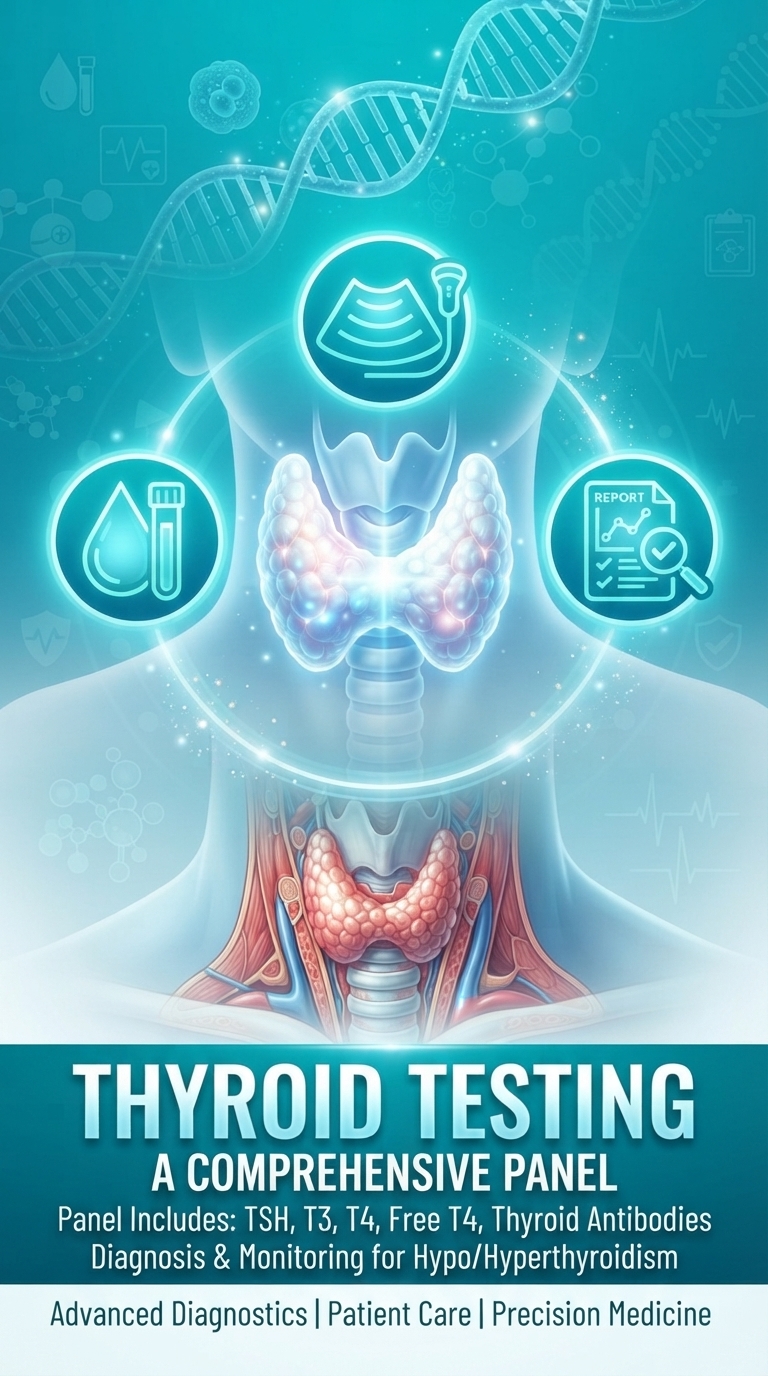
Thyroid testing is a combination of blood tests, imaging tests, and physical examinations used to evaluate how well the thyroid gland is functioning. These tests measure thyroid hormone levels and help doctors diagnose conditions such as:

  • Hypothyroidism (underactive thyroid)
  • Hyperthyroidism (overactive thyroid)
  • Thyroid nodules
  • Goiter
  • Thyroiditis
  • Thyroid cancer

Doctors usually recommend thyroid testing if a person experiences symptoms of thyroid disease or has a family history of thyroid disorders.

Why Is Thyroid Testing Important?

Thyroid hormone imbalances can affect nearly every system in the body. Without proper diagnosis, thyroid disorders may lead to serious health complications.

Thyroid testing helps to:

  • Detect thyroid disorders early
  • Identify hormone imbalances
  • Monitor ongoing treatment
  • Check thyroid function during pregnancy
  • Evaluate thyroid nodules
  • Diagnose autoimmune thyroid diseases
  • Reduce the risk of complications

Regular thyroid testing is especially important for people over the age of 35, pregnant women, individuals with autoimmune diseases, and those with a family history of thyroid disorders.

Common Symptoms That May Require Thyroid Testing
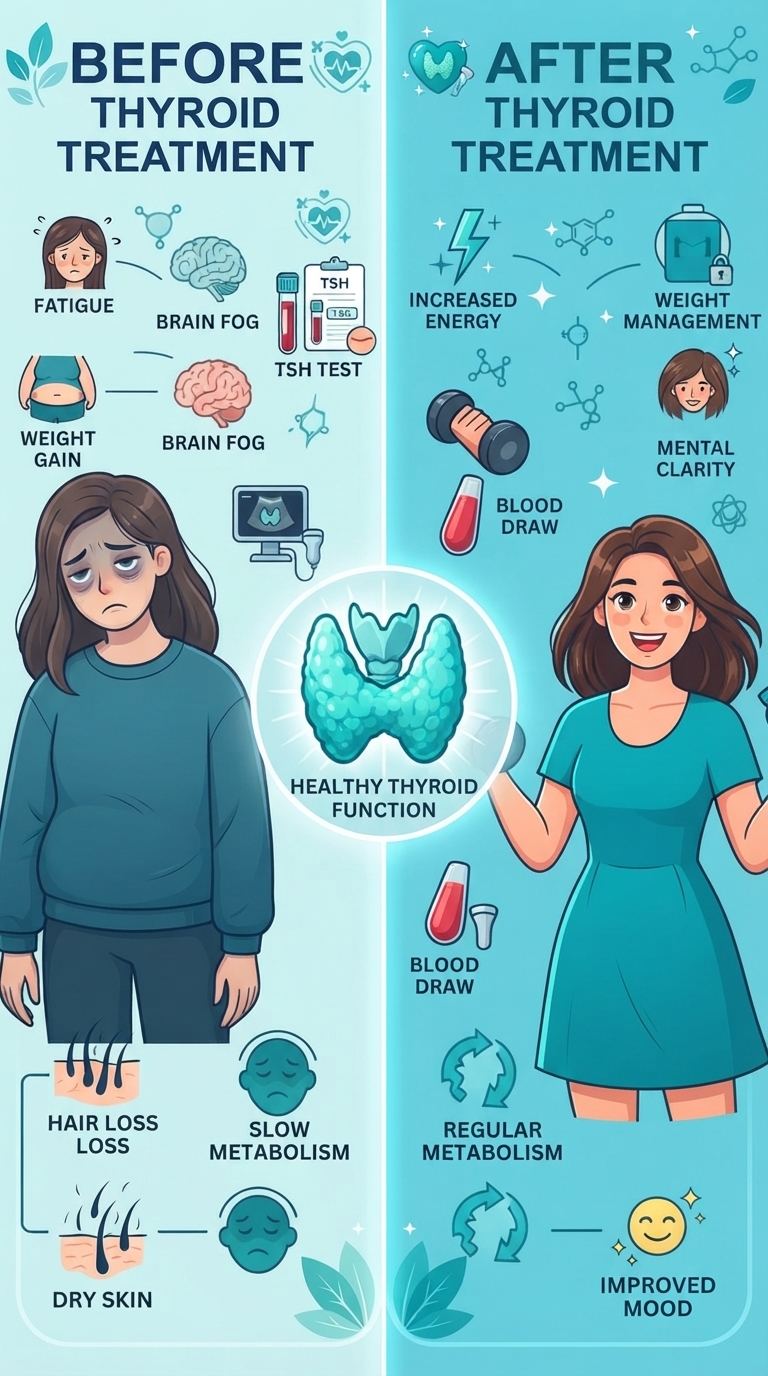
Your doctor may recommend thyroid testing if you experience symptoms such as:

Symptoms of Hypothyroidism

  • Constant fatigue
  • Weight gain
  • Dry skin
  • Hair loss
  • Feeling cold
  • Depression
  • Slow heartbeat
  • Constipation
  • Puffy face
  • Memory problems

Symptoms of Hyperthyroidism

  • Weight loss
  • Rapid heartbeat
  • Anxiety
  • Tremors
  • Excessive sweating
  • Heat intolerance
  • Frequent bowel movements
  • Difficulty sleeping
  • Muscle weakness
  • Enlarged thyroid gland

If these symptoms persist, consult a healthcare provider for proper evaluation.

Types of Thyroid Tests...

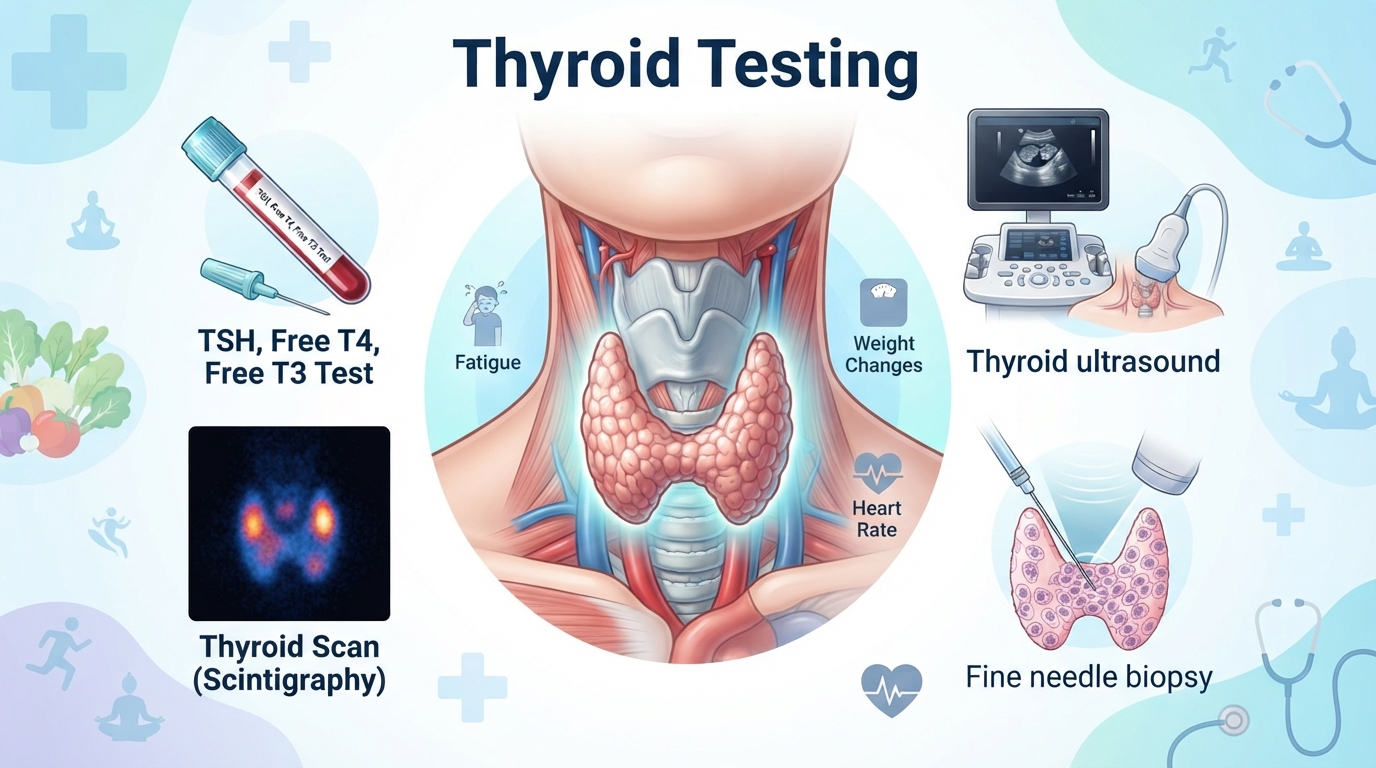
1. TSH (Thyroid-Stimulating Hormone) Test

The TSH test is the most common thyroid blood test.

It measures the amount of thyroid-stimulating hormone produced by the pituitary gland.

Results

  • High TSH usually indicates hypothyroidism.
  • Low TSH usually suggests hyperthyroidism.

This is often the first test ordered by doctors.


2. Free T4 (Thyroxine) Test

This test measures the amount of free thyroxine hormone circulating in the blood.

Free T4 helps confirm thyroid disease when TSH levels are abnormal.


3. Free T3 Test

Triiodothyronine (T3) is another thyroid hormone responsible for regulating metabolism.

Doctors often order this test when hyperthyroidism is suspected.


4. Thyroid Antibody Tests

These tests determine whether the immune system is attacking the thyroid gland.

Common antibody tests include:

  • Anti-TPO antibodies
  • Thyroglobulin antibodies
  • TSH receptor antibodies

These tests help diagnose autoimmune thyroid diseases like Hashimoto’s thyroiditis and Graves’ disease.


5. Thyroid Ultrasound

An ultrasound uses sound waves to create images of the thyroid gland.

It helps doctors examine:

  • Thyroid nodules
  • Cysts
  • Enlargement
  • Structural abnormalities

It is painless and does not involve radiation.

How to Prepare for a Thyroid Test?

Most thyroid blood tests require little preparation.

However, your doctor may advise you to:

  • Inform them about any medications or supplements you take.
  • Avoid biotin supplements for at least 48 hours before testing, as they can interfere with results.
  • Follow any fasting instructions if additional blood tests are being performed.
  • Wear comfortable clothing that allows easy access to your arm for a blood sample.

Always follow your healthcare provider’s instructions.

What Happens During Thyroid Testing?

Blood Test

A healthcare professional cleans the skin, inserts a small needle into a vein, and collects a blood sample. The process usually takes only a few minutes.

Ultrasound

You lie on an examination table while gel is applied to your neck. A technician moves a handheld probe over the thyroid area to capture images.

Thyroid Scan

You swallow or receive a small amount of radioactive tracer. A special camera then takes images of your thyroid gland.

Fine Needle Biopsy

After numbing the skin, a thin needle is inserted into the thyroid nodule to collect a small tissue sample.

Understanding Thyroid Test Results...
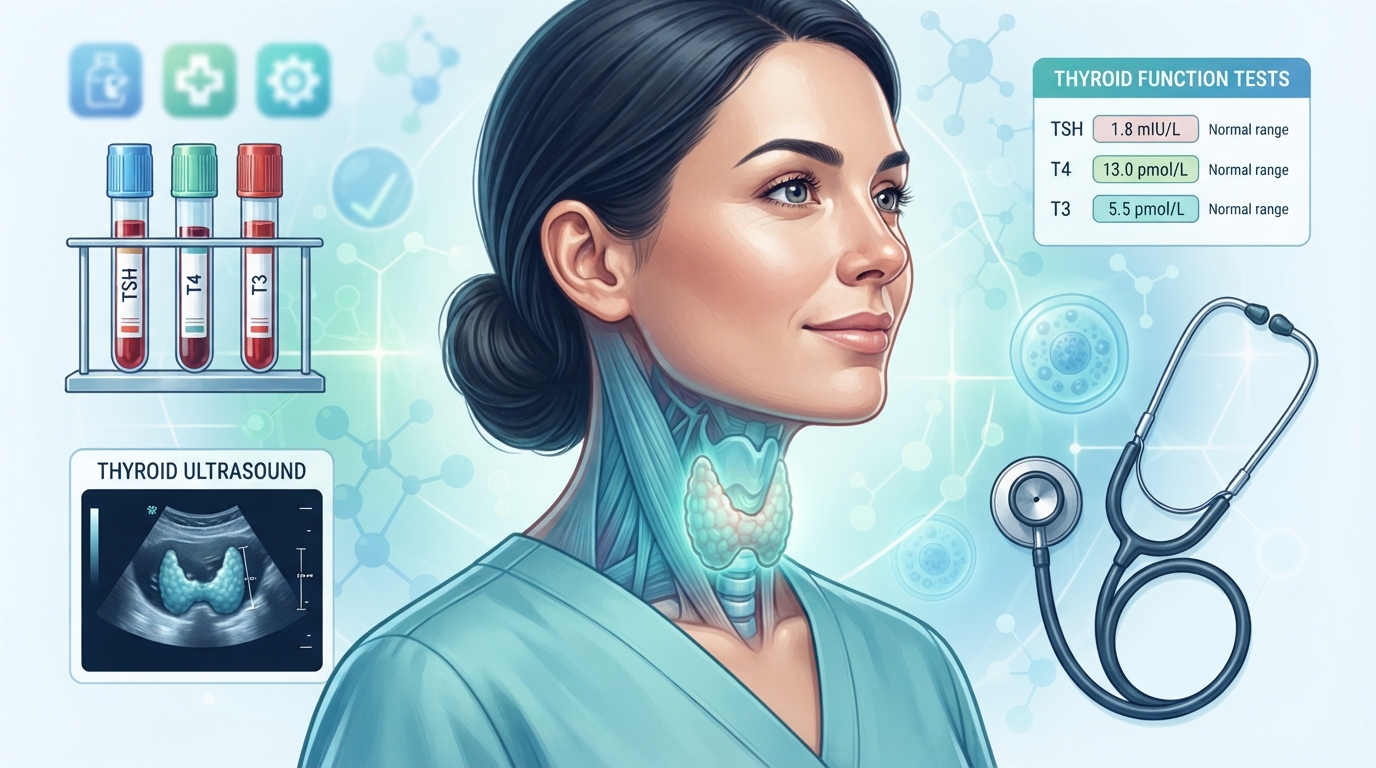
Test
High Result
Low Result
TSHHypothyroidismHyperthyroidism
Free T4HyperthyroidismHypothyroidism
Free T3HyperthyroidismHypothyroidism
Thyroid AntibodiesAutoimmune thyroid diseaseUsually normal

Risks of Thyroid Testing

Most thyroid tests are safe.

Possible risks include:

  • Mild pain during blood collection
  • Minor bruising
  • Slight swelling
  • Rare infection at the needle site

Ultrasound is completely safe.

Thyroid scans involve a very small amount of radiation and are generally considered safe when performed under medical supervision.

Who Should Get Tested?

Thyroid testing is recommended for:

  • People with symptoms of thyroid disease
  • Individuals with a family history of thyroid disorders
  • Women during pregnancy
  • Adults over 35 years of age
  • Patients with autoimmune diseases
  • People with unexplained weight changes
  • Individuals with high cholesterol
  • Those experiencing infertility or menstrual irregularities

Early screening can help detect thyroid problems before complications arise.

Tips for Maintaining a Healthy Thyroid

You can support thyroid health by following these healthy habits:

  • Eat a balanced diet rich in iodine, selenium, and zinc.
  • Exercise regularly.
  • Manage stress effectively.
  • Get enough sleep.
  • Avoid smoking.
  • Limit excessive consumption of processed foods.
  • Attend regular medical checkups.
  • Take thyroid medications exactly as prescribed.

Conclusion

Thyroid testing is a simple yet essential step in diagnosing and managing thyroid disorders. Since thyroid hormones influence many vital body functions, even a minor imbalance can significantly affect overall health. Blood tests such as TSH, Free T4, and Free T3, along with imaging tests like ultrasound and thyroid scans, help healthcare providers accurately assess thyroid function.

Early detection through thyroid testing allows prompt treatment, improves quality of life, and helps prevent serious complications. If you experience symptoms such as unexplained weight changes, fatigue, rapid heartbeat, or persistent mood changes, consult your healthcare provider about thyroid testing. Routine screening and timely diagnosis are key to maintaining a healthy thyroid and overall well-being.

Leave a Reply

Your email address will not be published. Required fields are marked *

TOP