

Introduction
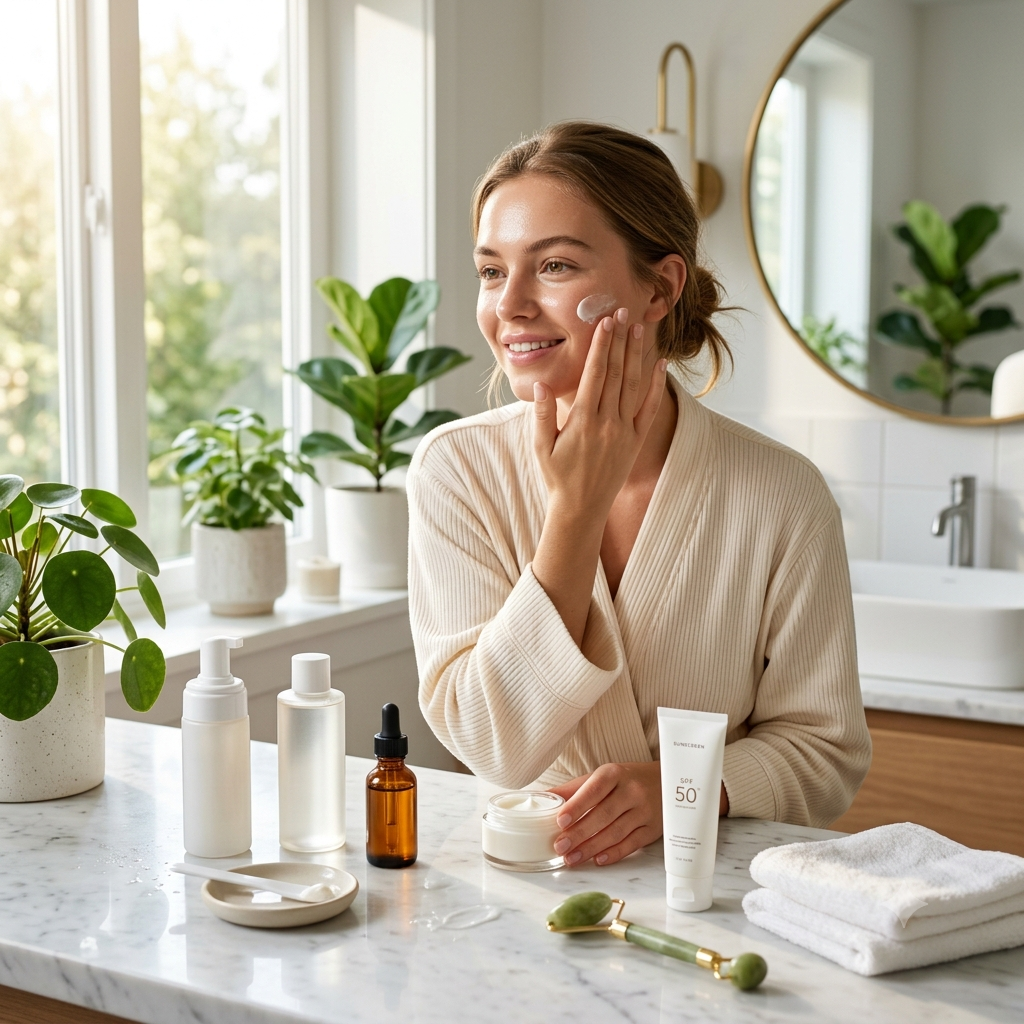
Healthy skin is more than just a sign of beauty—it reflects your overall health and well-being. As the largest organ in the human body, the skin protects you from harmful bacteria, pollution, ultraviolet (UV) rays, and environmental damage. However, factors such as stress, unhealthy eating habits, lack of sleep, pollution, and aging can negatively affect your skin’s appearance and health.
A good skincare routine doesn’t require expensive products or complicated treatments. Instead, understanding your skin type, choosing suitable products, and maintaining healthy lifestyle habits can help you achieve naturally glowing skin. This comprehensive guide explores everything you need to know about skincare, from understanding your skin to building an effective daily routine.
What Is Skincare?
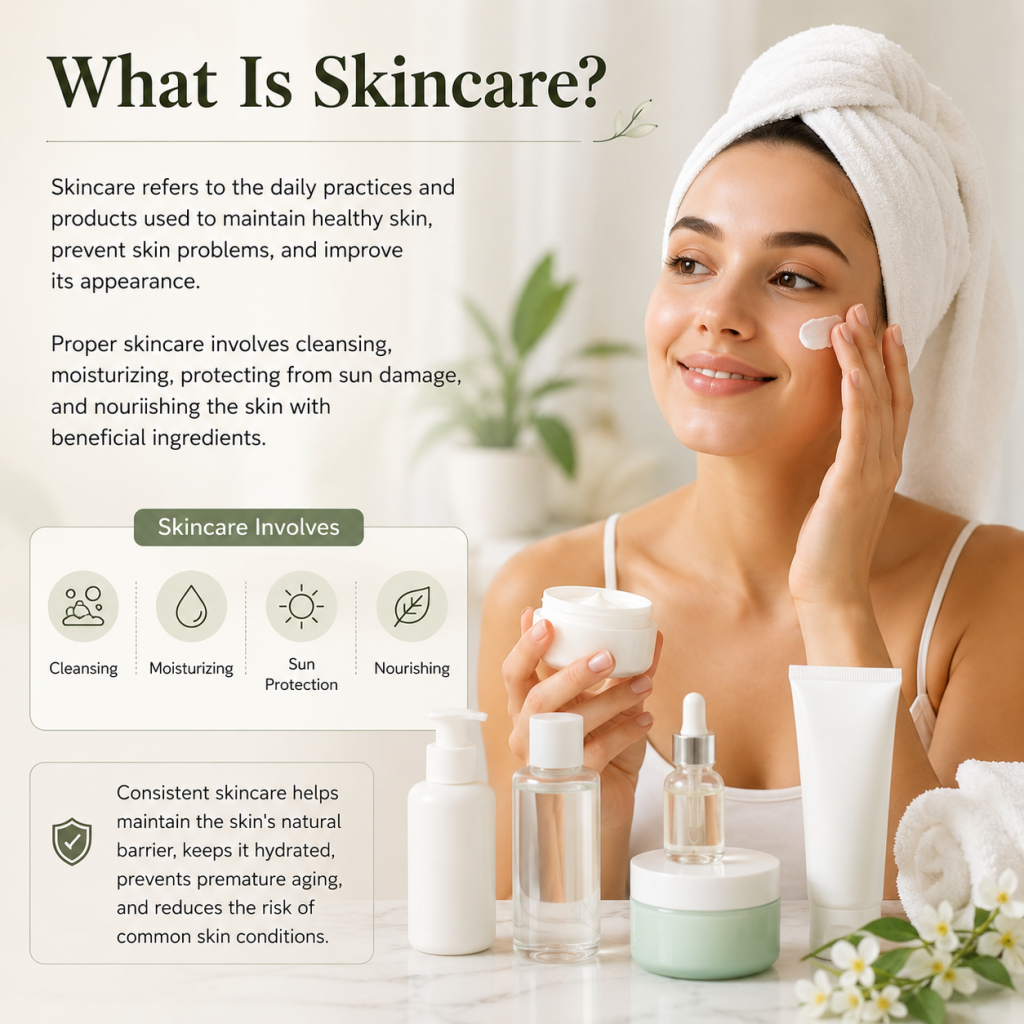
Skincare refers to the daily practices and products used to maintain healthy skin, prevent skin problems, and improve its appearance. Proper skincare involves cleansing, moisturizing, protecting from sun damage, and nourishing the skin with beneficial ingredients.
Consistent skincare helps maintain the skin’s natural barrier, keeps it hydrated, prevents premature aging, and reduces the risk of common skin conditions.
Why Is Skincare Important?
Healthy skincare offers numerous physical and emotional benefits.
1. Protects the Skin Barrier
Your skin acts as a protective shield against germs, toxins, pollution, and harmful UV radiation. A proper skincare routine strengthens this natural barrier, helping your skin stay healthy and resilient.
2. Prevents Premature Aging
Fine lines, wrinkles, age spots, and sagging skin often develop faster due to sun exposure and poor skincare habits. Using sunscreen, antioxidants, and moisturizers regularly helps slow the aging process.
3. Reduces Skin Problems
Proper skincare helps prevent acne, dryness, irritation, redness, clogged pores, and breakouts while improving overall skin texture.
4. Improves Confidence
Healthy, clear skin often boosts self-confidence and encourages positive self-image.
5. Maintains Hydration
Hydrated skin appears smoother, softer, and healthier while reducing the appearance of fine lines.
Understanding Different Skin Types
Knowing your skin type is essential before choosing skincare products.
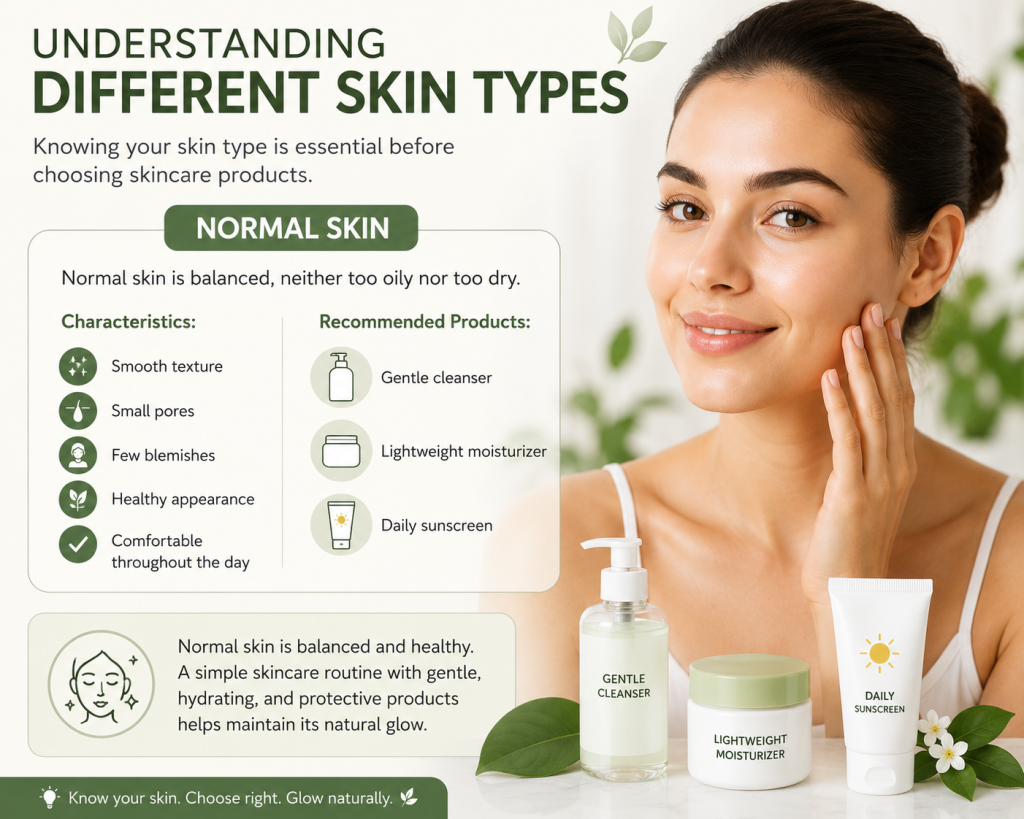
Normal Skin
Normal skin is balanced, neither too oily nor too dry.
Characteristics:
- Smooth texture
- Small pores
- Few blemishes
- Healthy appearance
- Comfortable throughout the day
Recommended products:
- Gentle cleanser
- Lightweight moisturizer
- Daily sunscreen
Oily Skin
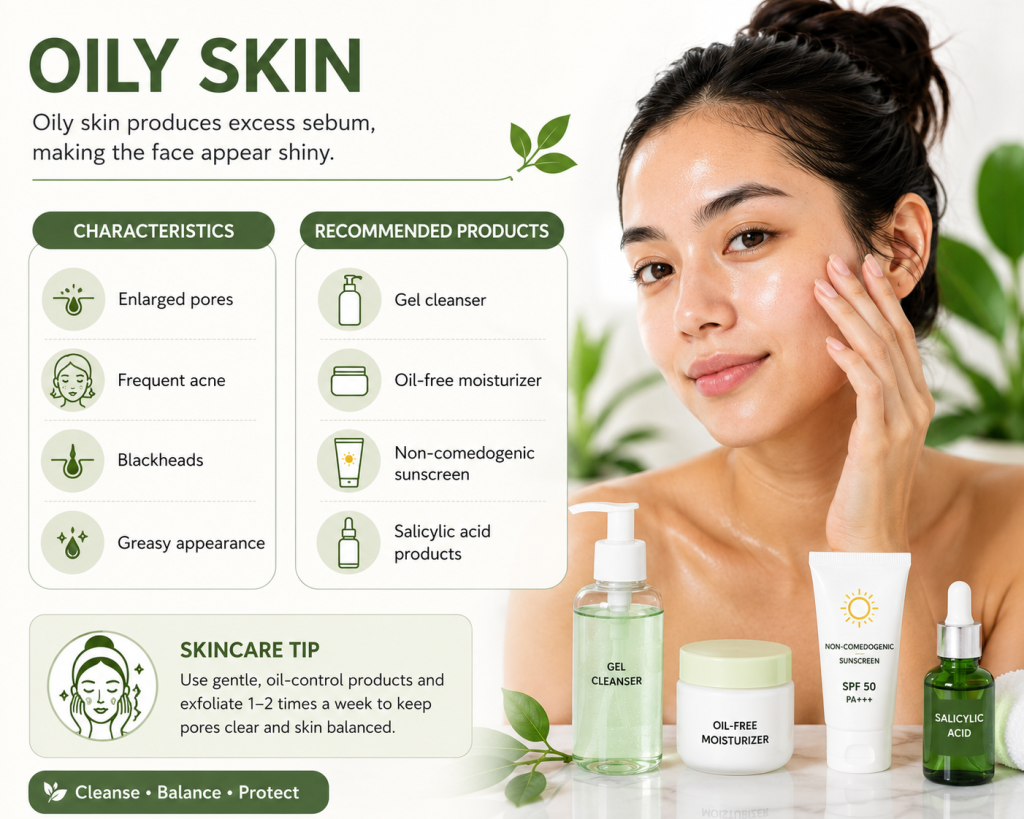
Oily skin produces excess sebum, making the face appear shiny.
Characteristics:
- Enlarged pores
- Frequent acne
- Blackheads
- Greasy appearance
Recommended products:
- Gel cleanser
- Oil-free moisturizer
- Non-comedogenic sunscreen
- Salicylic acid products
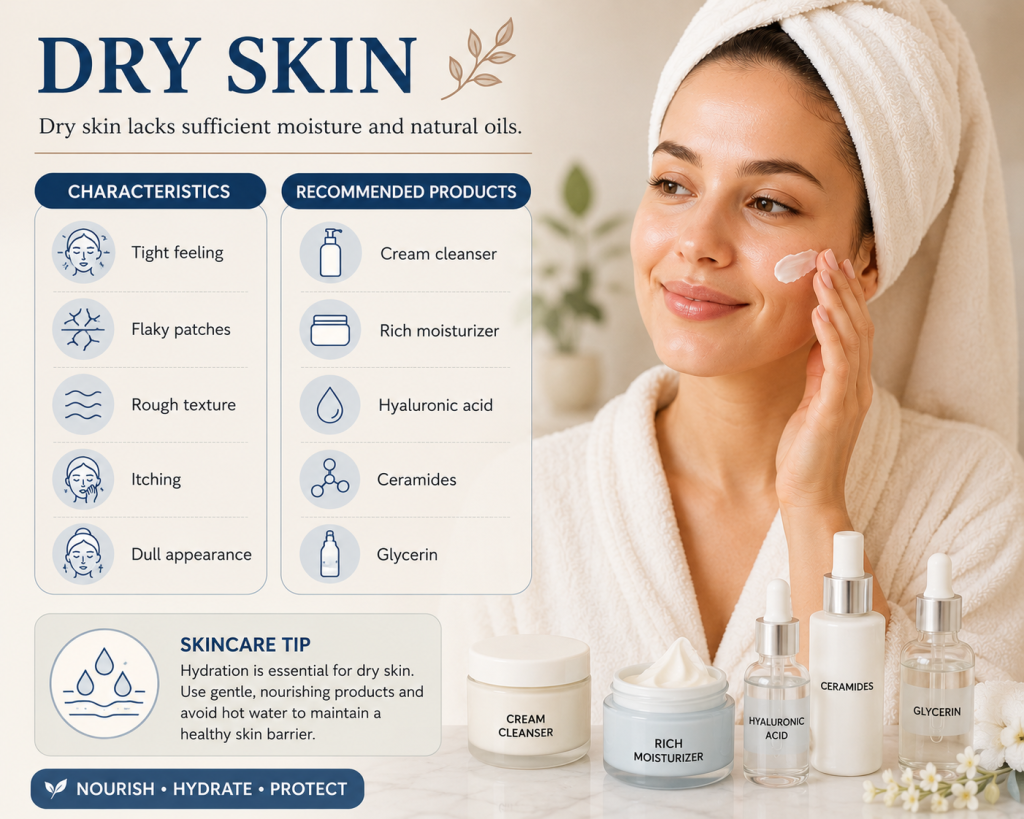
Dry Skin
Dry skin lacks sufficient moisture and natural oils.
Characteristics:
- Tight feeling
- Flaky patches
- Rough texture
- Itching
- Dull appearance
Recommended products:
- Cream cleanser
- Rich moisturizer
- Hyaluronic acid
- Ceramides
- Glycerin
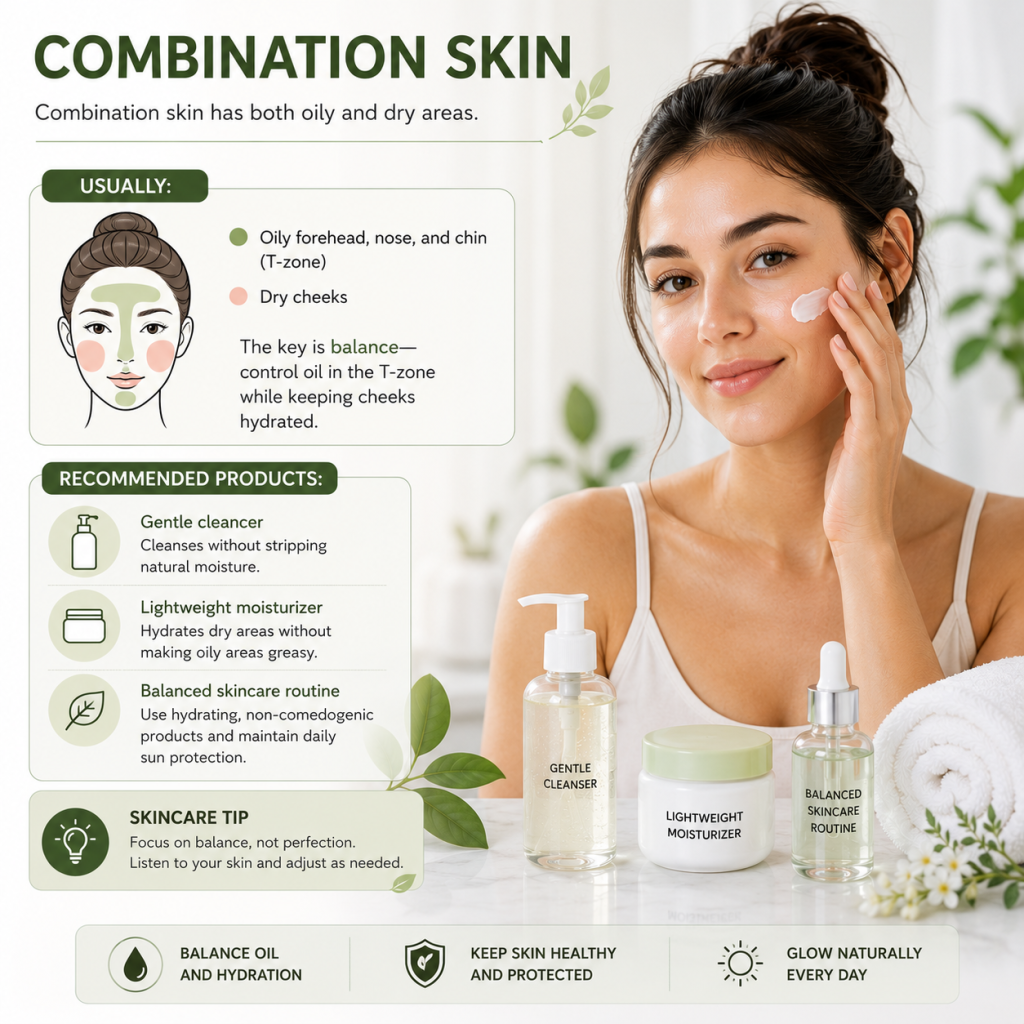
Combination Skin
Combination skin has both oily and dry areas.
Usually:
- Oily forehead, nose, and chin (T-zone)
- Dry cheeks
Recommended products:
- Gentle cleanser
- Lightweight moisturizer
- Balanced skincare routine
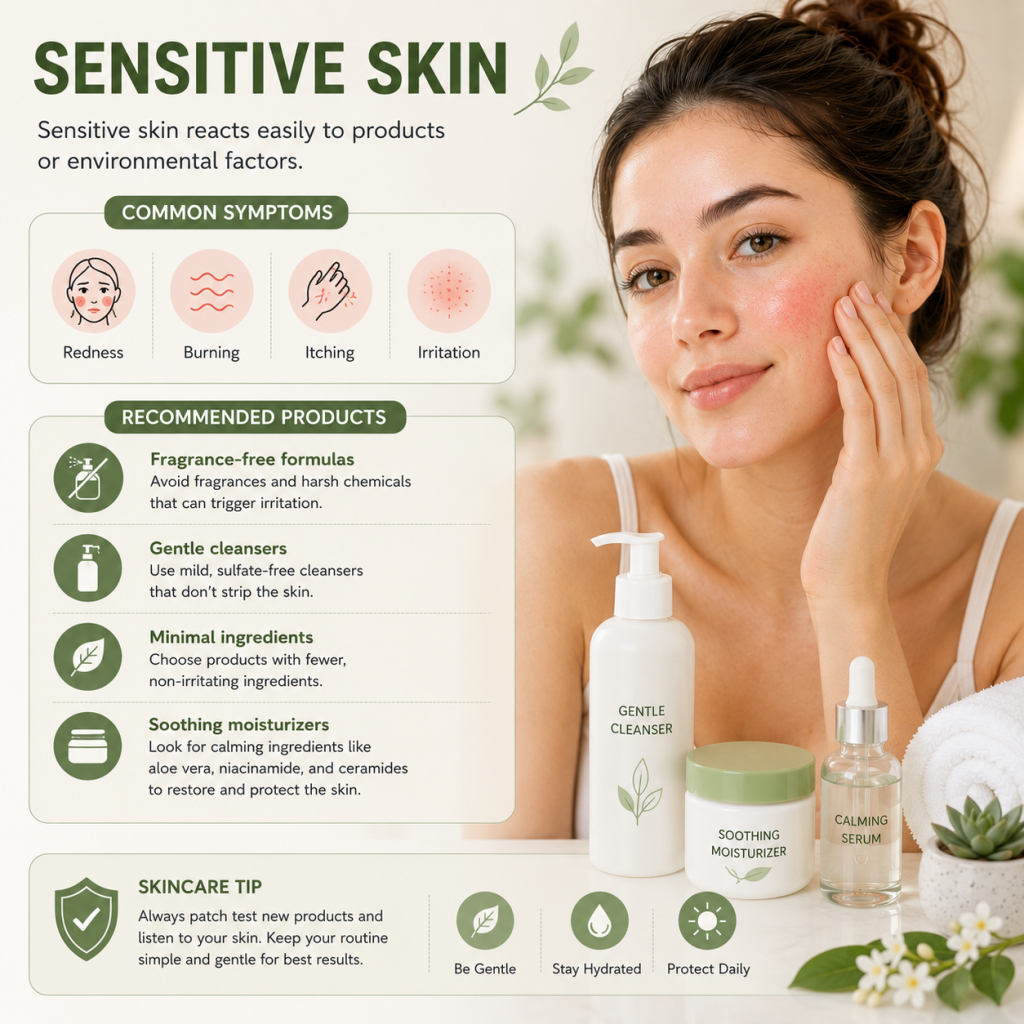
Sensitive Skin
Sensitive skin reacts easily to products or environmental factors.
Common symptoms:
- Redness
- Burning
- Itching
- Irritation
Recommended products:
- Fragrance-free formulas
- Gentle cleansers
- Minimal ingredients
- Soothing moisturizers
Essential Daily Skincare Routine
Step 1: Cleanse
Cleansing removes dirt, oil, sweat, bacteria, sunscreen, and makeup.
Wash your face:
- Morning
- Night
- After excessive sweating
Avoid harsh soaps that strip natural oils.
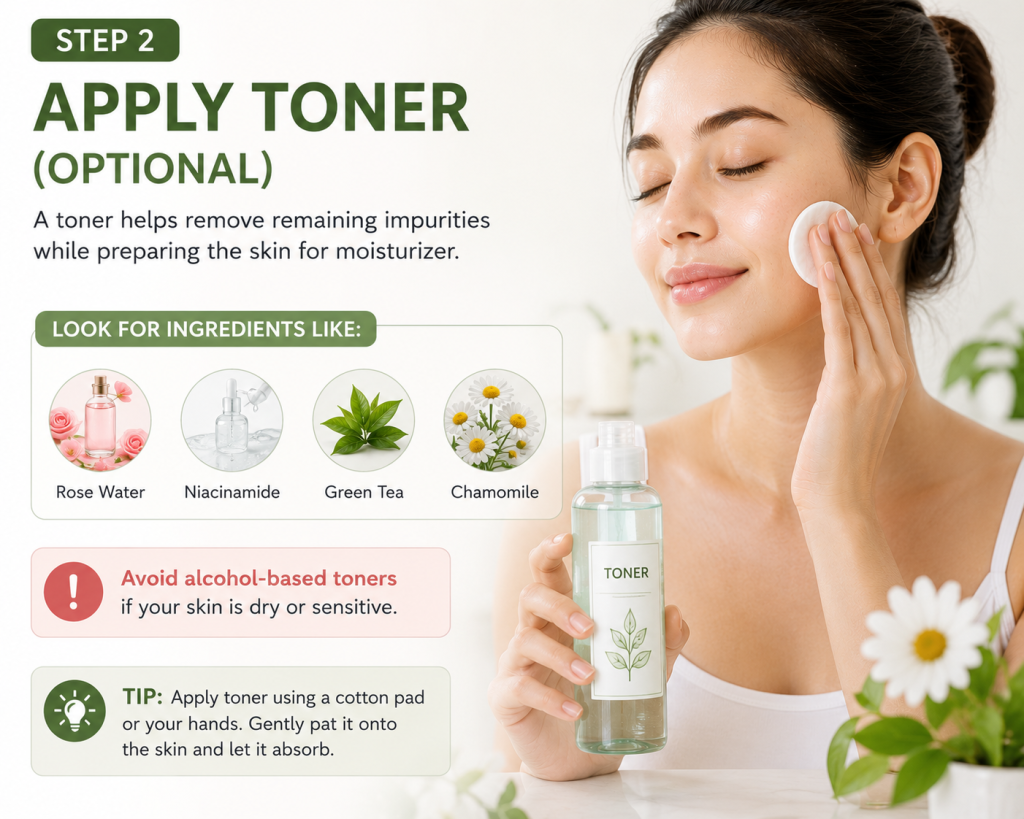
Step 2: Apply Toner
A toner helps remove remaining impurities while preparing the skin for moisturizer.
Look for ingredients like:
- Rose water
- Niacinamide
- Green tea
- Chamomile
Avoid alcohol-based toners if your skin is dry or sensitive.
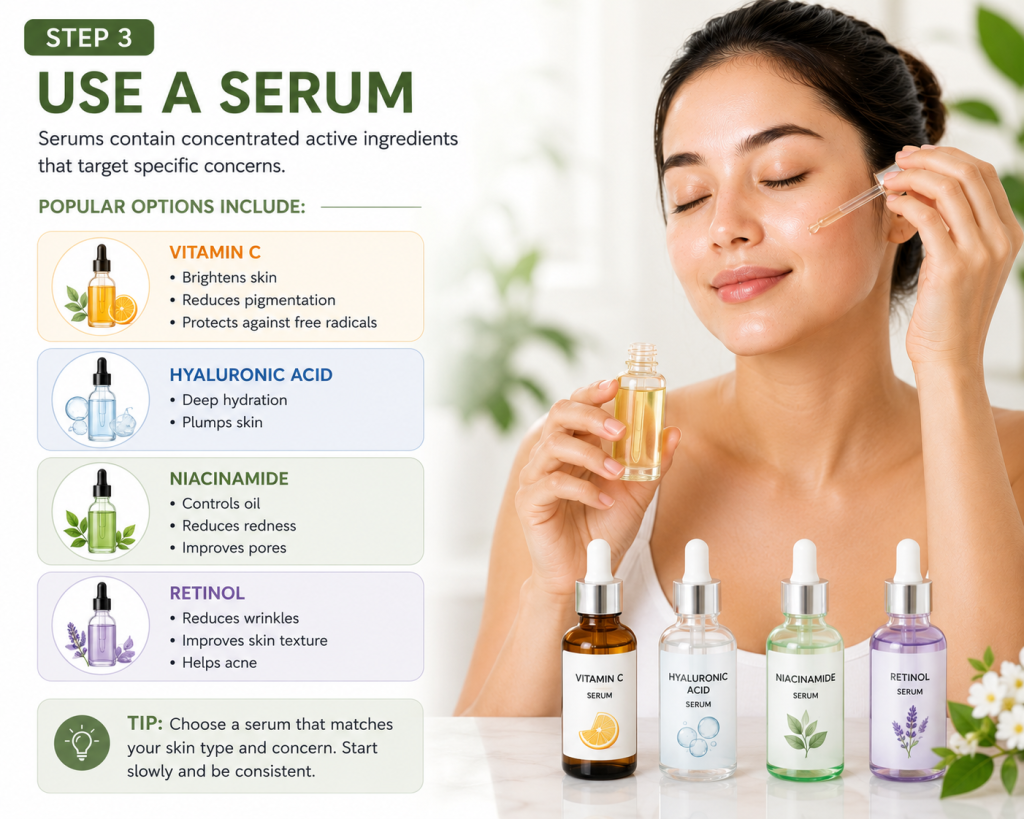
Step 3: Use a Serum
Serums contain concentrated active ingredients that target specific concerns.
Popular options include:
Vitamin C
- Brightens skin
- Reduces pigmentation
- Protects against free radicals
Hyaluronic Acid
- Deep hydration
- Plumps skin
Niacinamide
- Controls oil
- Reduces redness
- Improves pores
Retinol
- Reduces wrinkles
- Improves skin texture
- Helps acne
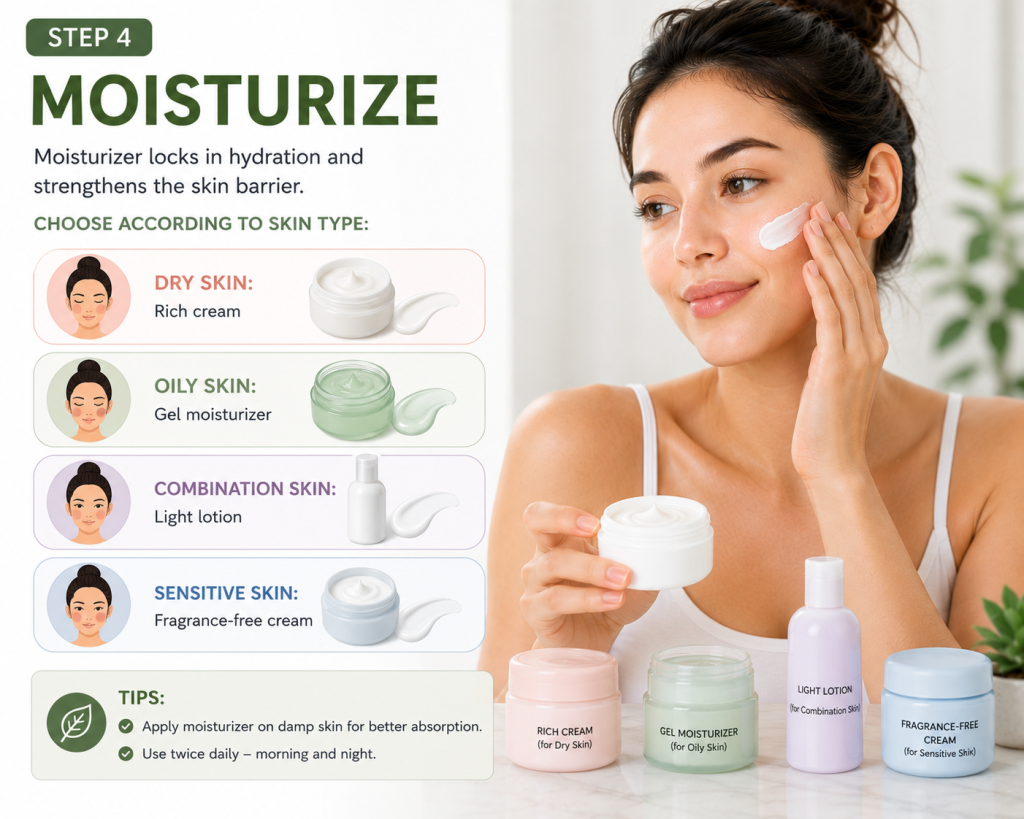
Step 4: Moisturize
Moisturizer locks in hydration and strengthens the skin barrier.
Choose according to skin type:
Dry skin:
Rich cream
Oily skin:
Gel moisturizer
Combination skin:
Light lotion
Sensitive skin:
Fragrance-free cream
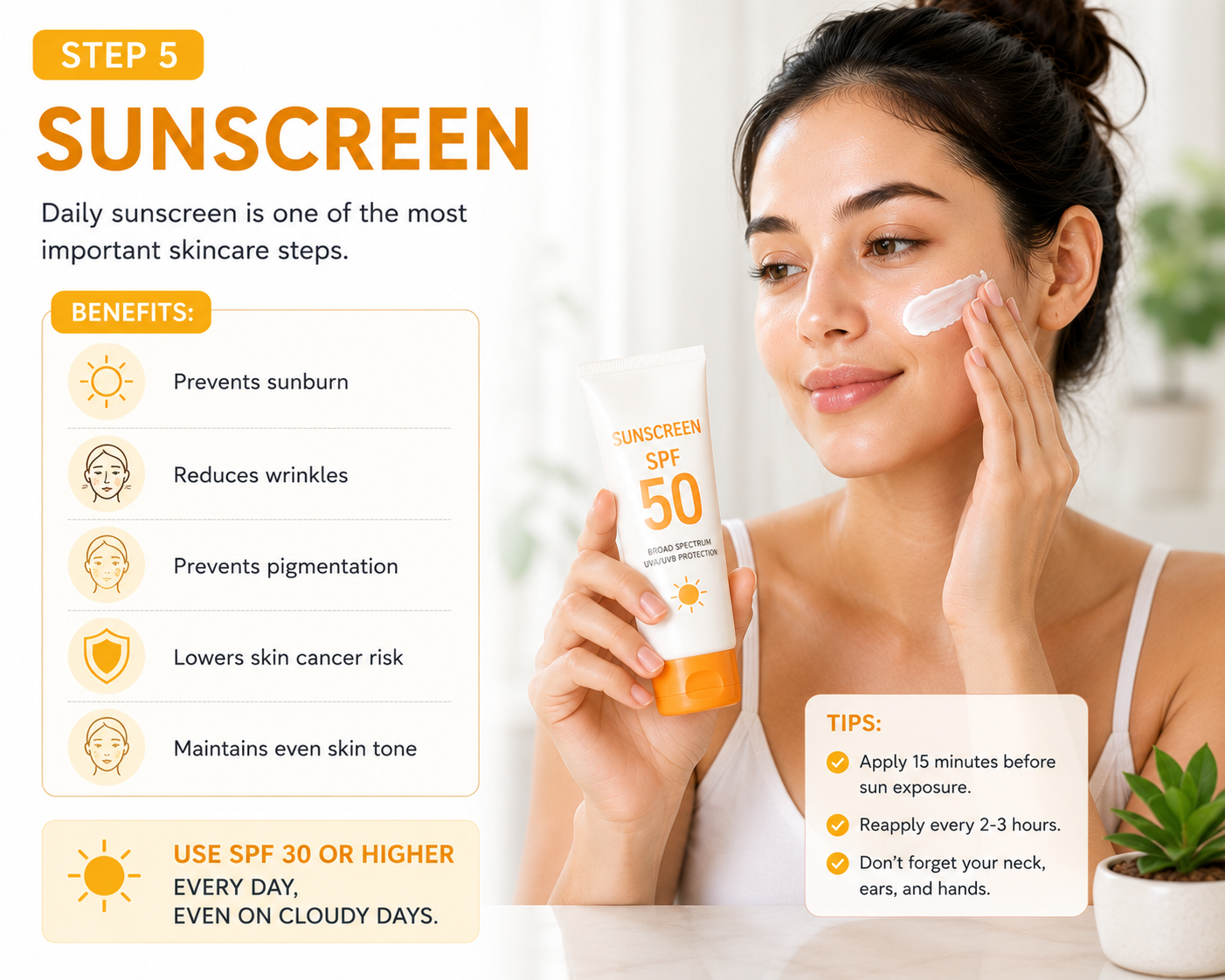
Step 5: Sunscreen
Daily sunscreen is one of the most important skincare steps.
Benefits:
- Prevents sunburn
- Reduces wrinkles
- Prevents pigmentation
- Lowers skin cancer risk
- Maintains even skin tone
Use SPF 30 or higher every day, even on cloudy days.
Weekly Skincare Habits
Exfoliation
Exfoliation removes dead skin cells and improves skin texture.
Benefits:
- Brighter skin
- Smoother surface
- Better product absorption
- Reduced clogged pores
Limit exfoliation to 1–2 times per week to avoid irritation.
Face Masks
Face masks provide extra nourishment.
Clay masks:
Best for oily skin.
Hydrating masks:
Ideal for dry skin.
Soothing masks:
Suitable for sensitive skin.
Best Ingredients for Healthy Skin
Vitamin C
Benefits:
- Brightens complexion
- Reduces dark spots
- Boosts collagen
- Protects against environmental damage
Hyaluronic Acid
Benefits:
- Deep hydration
- Smooth skin
- Reduces fine lines
- Improves elasticity
Niacinamide
Benefits:
- Controls oil
- Reduces inflammation
- Minimizes pores
- Improves skin texture
Ceramides
Benefits:
- Repair skin barrier
- Prevent moisture loss
- Reduce dryness
Retinol
Benefits:
- Anti-aging
- Improves acne
- Smooths wrinkles
- Boosts collagen production
Use retinol gradually, especially if you have sensitive skin.
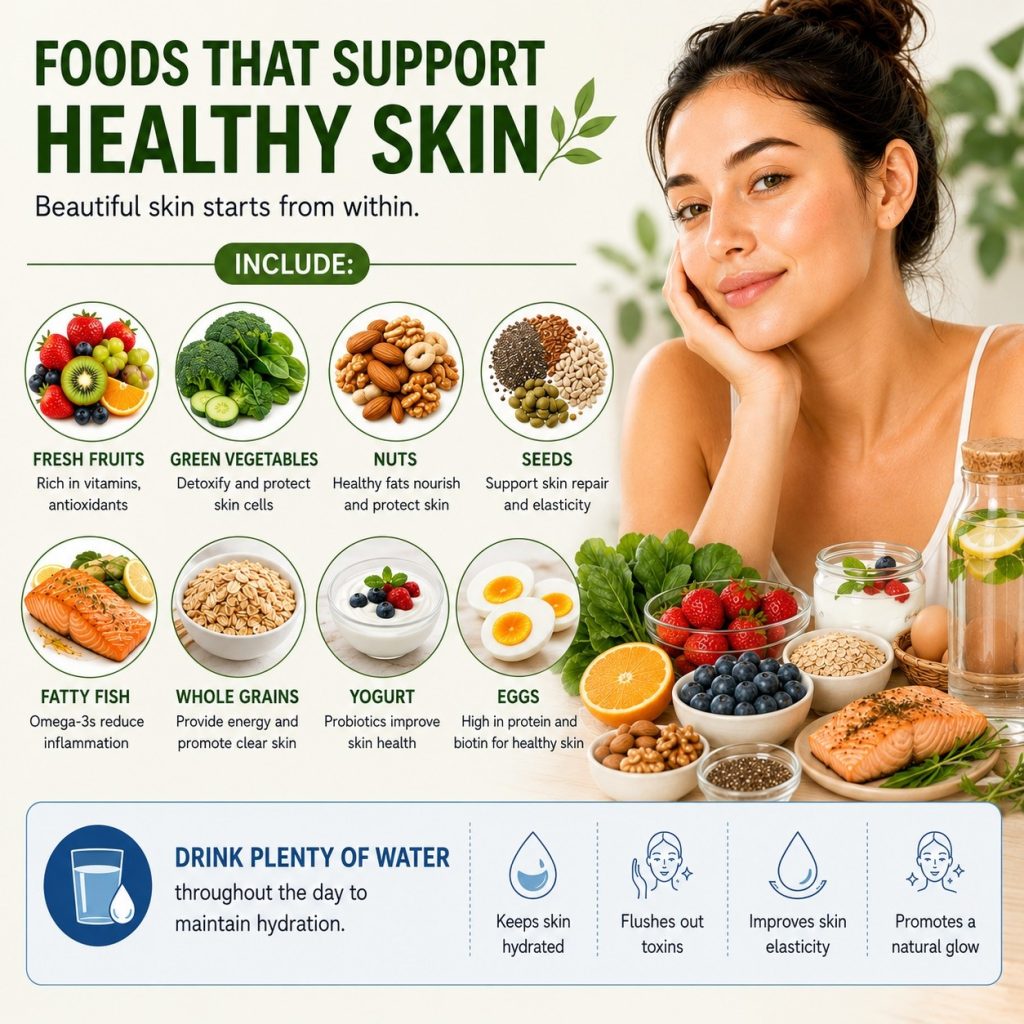
Foods That Support Healthy Skin
Beautiful skin starts from within.
Include:
- Fresh fruits
- Green vegetables
- Nuts
- Seeds
- Fatty fish
- Whole grains
- Yogurt
- Eggs
Drink plenty of water throughout the day to maintain hydration.
Habits That Damage Your Skin
Several everyday habits can negatively affect skin health.
Smoking
Smoking reduces blood flow, damages collagen, and accelerates wrinkles.
Excessive Sugar
High sugar intake may contribute to inflammation and premature aging.
Poor Sleep
Insufficient sleep can lead to dull skin, dark circles, and slower skin repair.
Stress
Chronic stress may trigger acne, eczema, and other skin conditions.
Skipping Sunscreen
Sun exposure without protection increases the risk of wrinkles, sunspots, and skin damage.
Common Skincare Mistakes
Avoid these common errors:
- Washing your face too often
- Using harsh scrubs daily
- Sleeping with makeup on
- Picking pimples
- Using products not suited to your skin type
- Forgetting sunscreen
- Trying too many new products at once
- Ignoring expiration dates on skincare products
Natural Tips for Healthy Skin
Simple lifestyle habits can improve your skin naturally:
- Drink enough water every day.
- Eat a balanced diet rich in vitamins and antioxidants.
- Sleep for 7–9 hours each night.
- Exercise regularly to improve blood circulation.
- Avoid smoking and limit alcohol consumption.
- Wash pillowcases and makeup brushes regularly.
- Manage stress through relaxation techniques or hobbies.
- Avoid touching your face with unwashed hands.
When to See a Dermatologist
While many skin concerns can be managed with a good routine, consult a dermatologist if you experience:
- Severe or persistent acne
- Painful rashes
- Sudden changes in moles
- Skin infections
- Chronic redness or irritation
- Eczema or psoriasis flare-ups
- Persistent dark spots or unusual pigmentation
Early diagnosis and treatment can prevent complications and improve long-term skin health.
Conclusion
Healthy skincare is a long-term investment rather than a quick fix. A simple, consistent routine that includes cleansing, moisturizing, sun protection, and nourishing your body from within can make a significant difference over time. Remember that every person’s skin is unique, so it’s important to choose products that suit your individual skin type and concerns. Combined with a healthy lifestyle, patience, and consistency, proper skincare can help you maintain strong, radiant, and youthful-looking skin for years to come. Rather than chasing perfection, focus on keeping your skin healthy, protected, and well cared for—because healthy skin is beautiful skin.