

Introduction
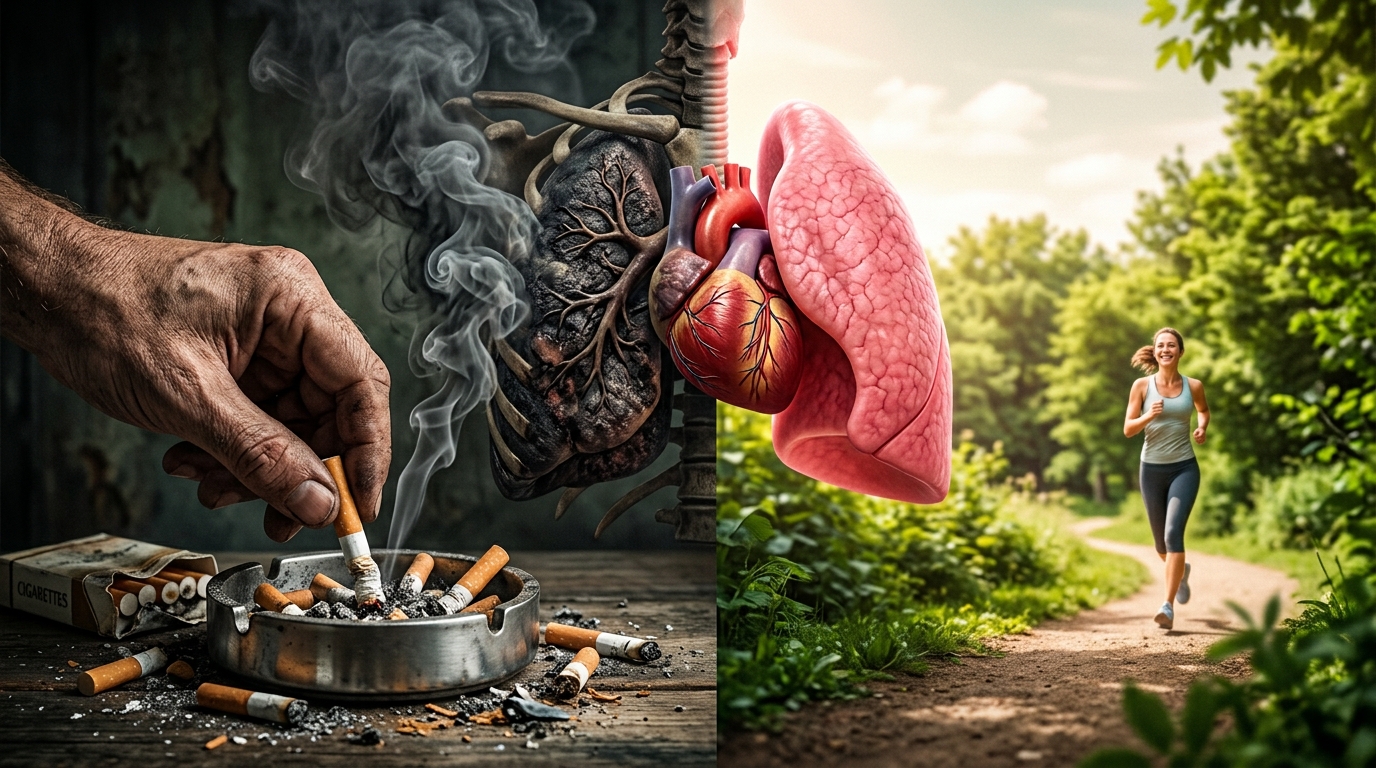
Smoking is one of the most harmful habits affecting millions of people around the world. Despite widespread awareness campaigns and health warnings, many individuals continue to smoke every day. For some, smoking begins out of curiosity or peer pressure, while others turn to it as a way to cope with stress or emotional challenges. Over time, what starts as an occasional habit can develop into a powerful addiction due to the presence of nicotine in tobacco.
Smoking does not only affect the person holding the cigarette. The smoke released into the air can also harm family members, friends, coworkers, and even children through secondhand smoke. Every puff of cigarette smoke introduces harmful chemicals into the body, damaging the lungs, heart, blood vessels, and many other organs. The effects may not always be visible immediately, but the damage gradually builds over the years, increasing the risk of life-threatening diseases.
The encouraging news is that quitting smoking can improve health at any age. The body has an amazing ability to repair itself once exposure to tobacco smoke stops. Understanding the dangers of smoking and the benefits of quitting can help people make healthier choices for themselves and those around them.

What Is Smoking?
Smoking is the act of burning tobacco and inhaling the resulting smoke into the lungs. The most common tobacco product is the cigarette, but tobacco is also smoked through cigars, pipes, bidis, and other products. When tobacco burns, it produces smoke that contains thousands of chemicals. These substances enter the lungs and quickly pass into the bloodstream, allowing them to travel throughout the body.
The main addictive ingredient in tobacco is nicotine. Nicotine reaches the brain within seconds after inhalation and creates a temporary feeling of relaxation or pleasure. However, these effects are short-lived, causing users to crave another cigarette. This cycle of craving and satisfaction leads to addiction, making it difficult for many people to quit without support.
A Brief History of Smoking
Tobacco has been used for centuries. Indigenous communities in the Americas traditionally used tobacco for ceremonial and medicinal purposes. After European explorers encountered tobacco, its use spread rapidly across the world.
During the 20th century, cigarettes became widely available and were heavily advertised. Smoking was often portrayed as fashionable and socially desirable. Over time, scientific research revealed the severe health consequences of tobacco use. Governments introduced warning labels, advertising restrictions, smoke-free laws, and public health campaigns to reduce smoking rates. Although these efforts have helped, smoking remains a major global health concern.
Harmful Chemicals Found in Cigarette Smoke
Many people believe cigarettes contain only tobacco, but cigarette smoke is actually a mixture of more than 7,000 chemicals. Hundreds of these chemicals are harmful, and many are known to cause cancer.
Some of the most dangerous substances include:
Nicotine: The addictive chemical that makes quitting difficult. It increases heart rate, raises blood pressure, and affects brain chemistry.
Tar: A sticky substance that coats the lungs and damages the tiny air sacs responsible for oxygen exchange. Tar also contains numerous cancer-causing chemicals.
Carbon Monoxide: A poisonous gas that reduces the amount of oxygen carried by red blood cells. As a result, the heart must work harder to supply oxygen throughout the body.
Formaldehyde: Commonly used in industrial products, formaldehyde irritates the eyes, nose, throat, and lungs.
Benzene: A toxic chemical associated with blood disorders and certain cancers.
Hydrogen Cyanide: Damages the respiratory system and reduces the lungs’ ability to clean themselves.
Ammonia: Irritates the airways and is sometimes added to cigarettes to increase nicotine absorption.
Even low levels of these chemicals can damage cells. Long-term exposure significantly increases the risk of chronic disease.
Why Do People Start Smoking?
People begin smoking for many different reasons. Understanding these reasons can help prevent tobacco use and support those trying to quit.
Curiosity
Many teenagers and young adults try smoking simply because they are curious about what it feels like.
Peer Pressure
Friends can strongly influence behavior. Some individuals start smoking to fit in with a social group or avoid feeling left out.
Stress and Emotional Challenges
Some people believe smoking helps them relax during stressful situations. While nicotine may temporarily reduce withdrawal symptoms, it does not solve the underlying causes of stress.
Family Influence
Children who grow up in households where parents or other family members smoke are more likely to become smokers themselves.
Media and Advertising
In the past, smoking was widely promoted through movies, television, and advertisements. Although regulations have reduced tobacco advertising in many countries, media images can still influence attitudes toward smoking.
Habit Formation
What begins as occasional smoking can gradually become a daily routine linked to specific situations, such as drinking coffee, driving, or taking work breaks.
How Smoking Affects the Body
Smoking harms nearly every organ in the body. The damage begins almost immediately after inhaling cigarette smoke.
Effects on the Respiratory System
The lungs are the first organs exposed to tobacco smoke. Tiny hair-like structures called cilia normally remove dust, bacteria, and harmful particles from the airways. Smoking damages these cilia, allowing mucus and toxins to build up.
As a result, smokers often experience:
- Frequent coughing
- Shortness of breath
- Wheezing
- Increased mucus production
- Greater risk of chest infections
Over time, continued smoking can permanently damage lung tissue.
Effects on the Heart
Smoking causes blood vessels to narrow and become less flexible. It increases blood pressure, raises heart rate, and makes the blood more likely to clot. These changes increase the risk of heart attack, stroke, and poor circulation.
Effects on the Brain
Nicotine quickly reaches the brain and stimulates the release of dopamine, a chemical associated with pleasure and reward. This creates temporary satisfaction but also strengthens addiction.
When nicotine levels fall, smokers may experience irritability, anxiety, difficulty concentrating, and cravings, encouraging continued smoking.
Effects on the Immune System
Smoking weakens the body’s natural defenses, making it harder to fight infections. Smokers often recover more slowly from illnesses and injuries than non-smokers.
Effects on Appearance
Smoking also affects physical appearance. It reduces blood flow to the skin, leading to premature wrinkles, dull skin, and slower wound healing. Teeth may become stained, breath can develop an unpleasant odor, and gum disease becomes more common.
Early Warning Signs of Smoking-Related Problems
Many smokers ignore the first signs of damage because they develop gradually. Early symptoms may include:
- Persistent cough
- Frequent sore throat
- Shortness of breath during exercise
- Reduced physical endurance
- Chest discomfort
- Recurring respiratory infections
- Yellow or stained teeth
- Bad breath
- Loss of taste and smell
These symptoms should never be ignored, as they may indicate ongoing damage to the lungs or cardiovascular system.
Conclusion
Smoking is far more than a simple habit—it is a dangerous addiction that exposes the body to thousands of harmful chemicals every day. From the moment smoke enters the lungs, it begins affecting the respiratory system, heart, brain, immune system, and many other organs. While people start smoking for different reasons, the long-term health consequences are remarkably similar and can be severe.
Understanding what smoking is, why people begin, and how it damages the body is the first step toward prevention and healthier living. In the next part of this article, we will explore the major diseases caused by smoking, the dangers of secondhand smoke, the benefits of quitting, and practical strategies for living a smoke-free life.