

Introduction
Swimming is one of the best exercises for people of all ages. It is a full-body workout that helps improve physical fitness, mental health, and overall well-being. Unlike many other exercises, swimming is easy on the joints because the water supports your body weight. This makes it a safe and effective activity for children, adults, seniors, and even people recovering from injuries.
Swimming is not only a sport but also a healthy lifestyle activity. Whether you swim for fun, fitness, or competition, it offers many benefits. Regular swimming helps strengthen muscles, improve heart health, increase flexibility, burn calories, and reduce stress.
What Is Swimming Exercise?
Swimming exercise is a physical activity performed in water by moving your arms and legs in a coordinated way to move through the water. It is considered a cardiovascular exercise because it increases your heart rate and improves blood circulation.
Swimming works almost every major muscle in your body. It also improves breathing because you learn to control your breathing while swimming.
People can swim in swimming pools, lakes, rivers, or the ocean. However, beginners should always start in a safe swimming pool with proper supervision.
Why Swimming Is Good for Health
Swimming is one of the healthiest exercises because it trains both your muscles and your heart at the same time. Water creates natural resistance, making your muscles work harder without putting too much pressure on your joints.
People who swim regularly often experience better physical fitness, increased energy, and improved overall health.
Benefits of Swimming Exercise
1. Improves Heart Health
Swimming strengthens your heart and lungs. It helps improve blood circulation and increases oxygen supply throughout the body. Regular swimming may also help maintain healthy blood pressure and improve cardiovascular fitness.
2. Builds Strong Muscles
Swimming works your shoulders, arms, chest, back, stomach, hips, and legs. Because water provides resistance, every movement helps strengthen and tone your muscles naturally.
3. Burns Calories
Swimming is an excellent exercise for burning calories. Depending on your weight, swimming speed, and duration, you can burn hundreds of calories in one session. This makes swimming helpful for maintaining a healthy body weight.
4. Supports Weight Loss
Swimming helps burn fat while protecting your joints. Combined with a balanced diet, regular swimming can support healthy and long-term weight loss.
5. Improves Flexibility
Swimming requires your body to stretch and move through different ranges of motion. This improves flexibility and helps reduce muscle stiffness.
6. Protects the Joints
Unlike running or jumping, swimming places very little stress on your knees, hips, and ankles. This makes it suitable for older adults and people with joint pain.
7. Increases Stamina
As you continue swimming regularly, your endurance improves. Daily activities become easier because your body becomes stronger and more efficient.
8. Reduces Stress
Swimming has a calming effect on both the body and mind. Many people feel relaxed after spending time in the water. It helps reduce stress and improves emotional well-being.
9. Improves Sleep
Regular physical activity, including swimming, can help people sleep better at night. Good sleep supports better health and faster recovery.
10. Boosts Confidence
Learning new swimming skills and improving your performance builds self-confidence. Achieving personal swimming goals also increases motivation.
Types of Swimming Strokes
There are several swimming styles. Each one offers different benefits.
Freestyle
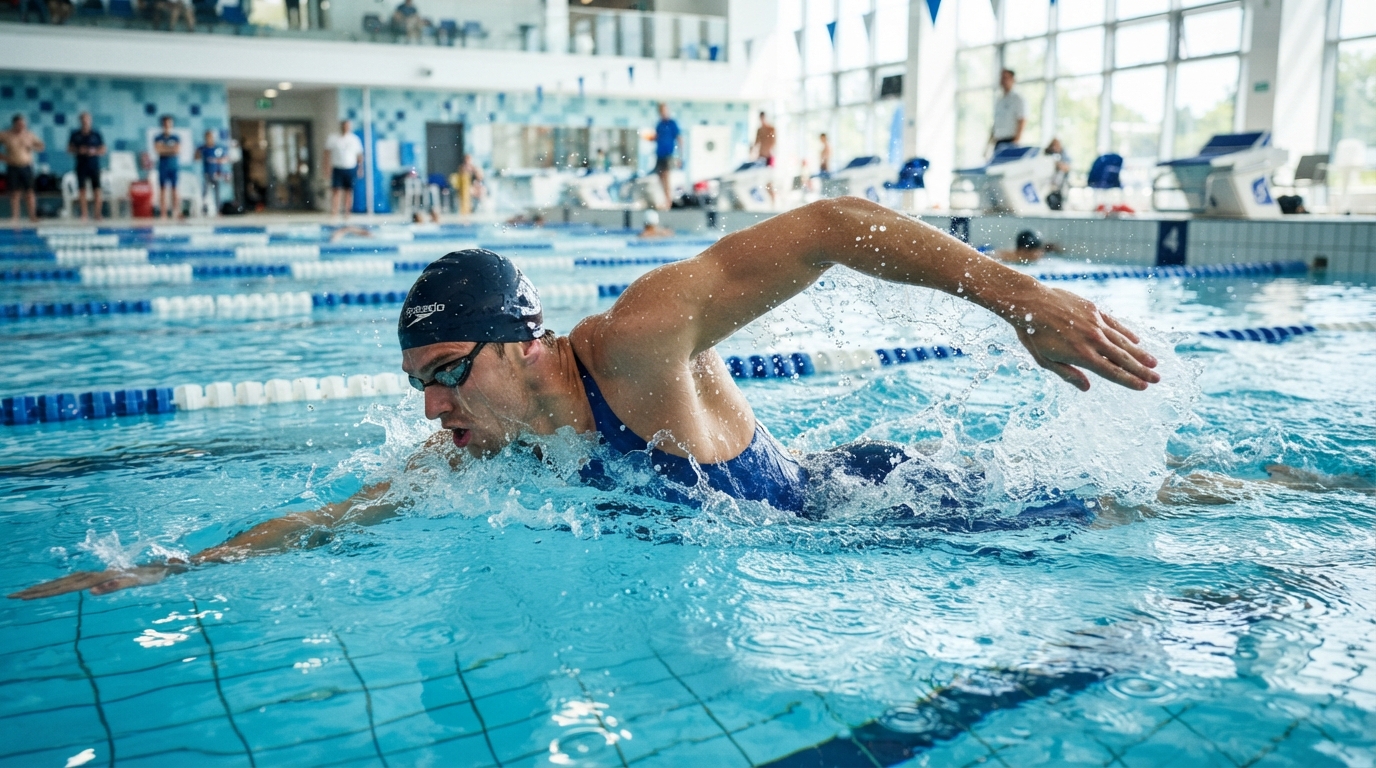
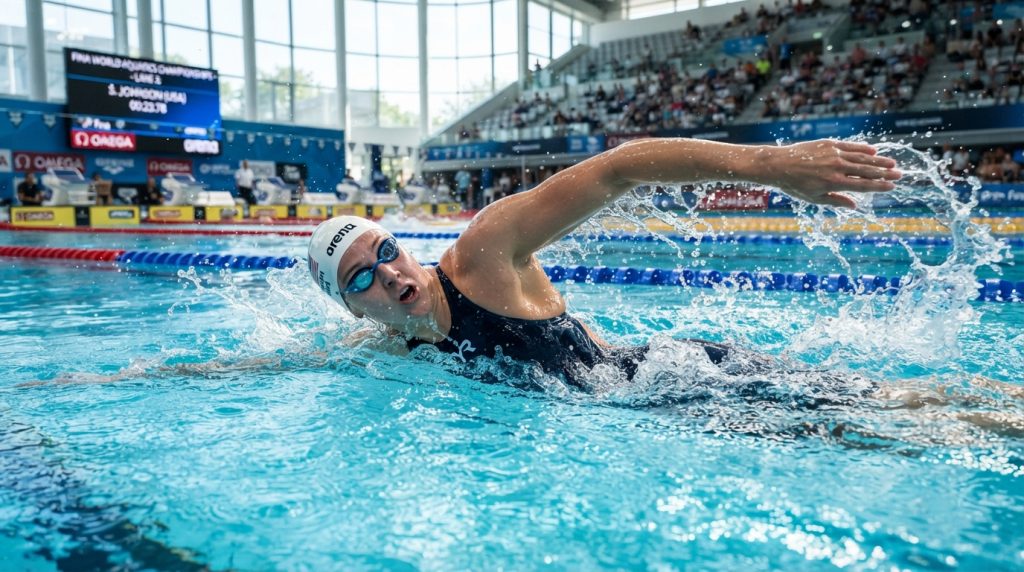
Freestyle is the fastest and most popular swimming stroke. It is commonly used for fitness training because it is efficient and helps improve endurance.
Breaststroke
Breaststroke is slower than freestyle and is easier for many beginners to learn. It provides a good full-body workout while allowing steady breathing.
Backstroke
Backstroke is performed while lying on your back. It helps improve posture and strengthens the back and shoulder muscles.
Butterfly Stroke
Butterfly is one of the most challenging swimming styles. It requires strength, coordination, and proper technique. It provides an excellent workout for the upper body and core muscles.
Muscles Used During Swimming
Swimming is a complete body workout because it uses many muscle groups together.
Major muscles involved include:
– Shoulders
– Arms
– Chest
– Back
– Core muscles
– Hips
– Glutes
– Thighs
– Calves
Working all these muscles helps improve strength, balance, and body coordination.
Mental Health Benefits
Swimming is not only good for physical health but also for mental health.
Regular swimming can:
– Reduce anxiety
– Lower stress
– Improve mood
– Increase confidence
– Help people relax
– Improve concentration
– Support emotional health
Many swimmers say they feel refreshed and happier after spending time in the water.
Swimming for Different Age Groups
Swimming is suitable for almost everyone.
Children develop coordination and water safety skills.
Teenagers improve strength, fitness, and sports performance.
Adults maintain heart health, muscle strength, and body weight.
Older adults benefit from gentle exercise that keeps joints moving without excessive strain.
Because swimming is low impact, it can be enjoyed throughout life.
How Beginners Can Start Swimming
If you are new to swimming, start slowly.
Begin by becoming comfortable in shallow water. Learn basic breathing techniques before practicing different swimming strokes.
A swimming instructor can teach correct techniques and improve your confidence.
Practice regularly instead of trying to swim long distances on your first day.
With patience and consistent practice, your swimming skills will improve steadily.
Swimming Safety Tips
Swimming is enjoyable, but safety should always come first.
Follow these simple safety tips:
– Always warm up before swimming.
– Swim in clean and safe water.
– Never swim alone if you are a beginner.
– Follow the pool rules.
– Stay hydrated by drinking water before and after swimming.
– Wear proper swimwear and swimming goggles.
– Use sunscreen when swimming outdoors.
– Stop swimming if you feel tired, dizzy, or unwell.
– Children should always be supervised by an adult.
– Learn basic water safety and rescue skills.
Common Mistakes Beginners Make
Many beginners make small mistakes that slow their progress.
Some common mistakes include:
– Holding their breath for too long.
– Swimming too fast without learning proper technique.
– Skipping warm-up exercises.
– Looking up too much while swimming.
– Not using their legs properly.
– Practicing only once in a while instead of regularly.
Learning the correct technique from the beginning helps improve performance and reduces the risk of injury.
Simple Swimming Workout Plan
Here is an easy swimming routine for beginners.
Warm-up (5 minutes):
Walk in the water and perform gentle arm and leg movements.
Swimming (20–30 minutes):
– 5 minutes Freestyle
– 5 minutes Breaststroke
– 5 minutes Backstroke
– Repeat your favorite stroke for another 5–15 minutes.
Cool-down (5 minutes):
Swim slowly and stretch your shoulders, arms, and legs after leaving the pool.
Practice this routine three to five times a week for the best results.
Swimming and Weight Loss
Swimming is one of the best exercises for losing weight. It burns calories while improving muscle strength and endurance. Since water supports your body, you can exercise longer with less stress on your joints.
To lose weight, combine regular swimming with healthy eating habits, enough sleep, and proper hydration.
Swimming as a Lifelong Exercise
One of the greatest advantages of swimming is that people can enjoy it throughout their lives. Unlike many high-impact sports, swimming is gentle on the body while still providing excellent health benefits.
Whether your goal is to stay fit, improve your health, lose weight, or simply enjoy a relaxing activity, swimming is an excellent choice.
Conclusion
Swimming is one of the healthiest and most enjoyable forms of exercise. It strengthens the heart, builds muscles, improves flexibility, burns calories, supports weight loss, and reduces stress. It is suitable for children, adults, seniors, and people with different fitness levels.
Regular swimming helps improve both physical and mental health while providing a fun and refreshing workout. By practicing proper techniques, following safety rules, and staying consistent, you can enjoy the many benefits of swimming for years to come.
Make swimming a regular part of your healthy lifestyle, and you will enjoy better fitness, more energy, and improved overall well-being.