📢 Advertise with us

Introduction...

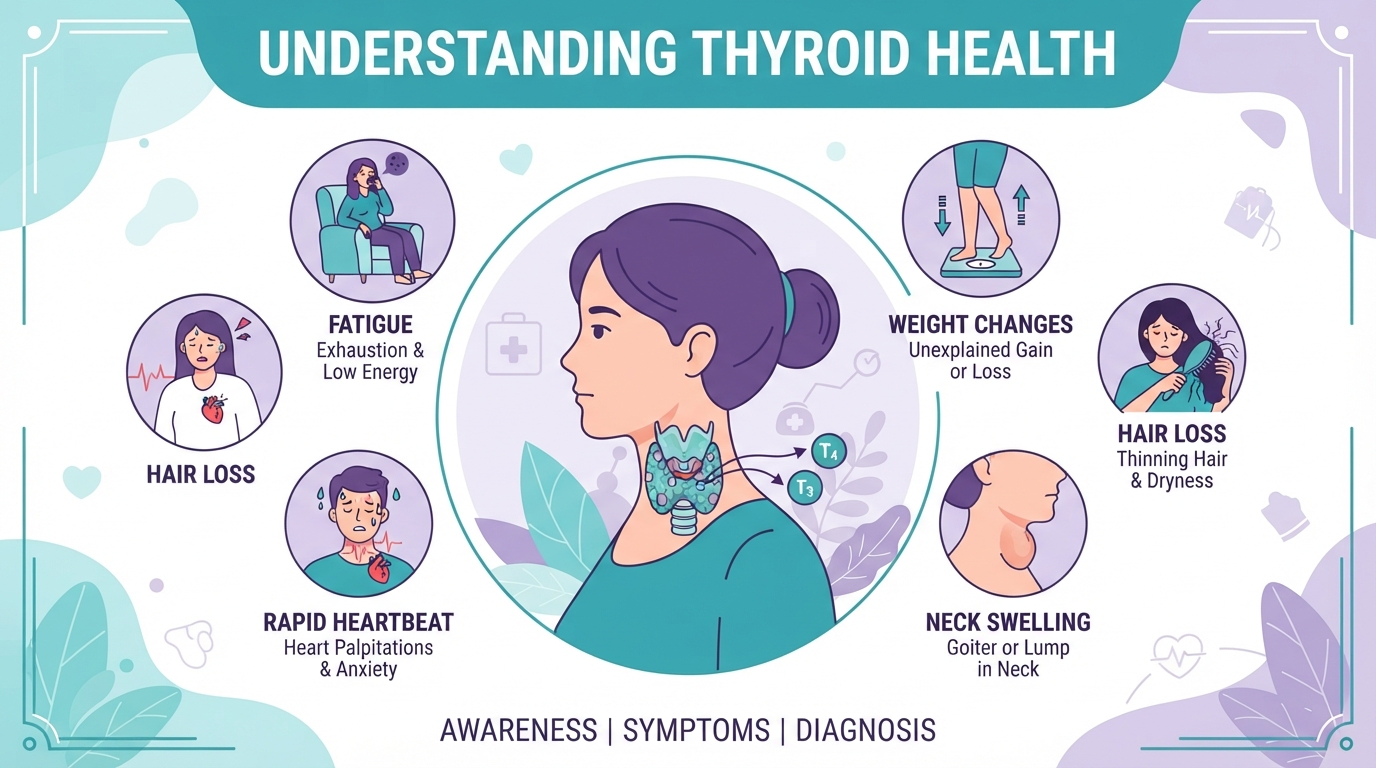
The thyroid is a small, butterfly-shaped gland located at the front of your neck. Although it is small, it plays a very important role in keeping your body healthy.
The thyroid produces hormones that control metabolism, body temperature, heart rate, energy levels, and many other body functions.When the thyroid does not work properly, it can affect almost every organ in the body. Some people produce too much thyroid hormone, while others produce too little. Both conditions require proper medical care and lifestyle management.

This article explains thyroid disorders, their symptoms, causes, diagnosis, treatment, and ways to maintain good thyroid health in simple language.

What Is the Thyroid?
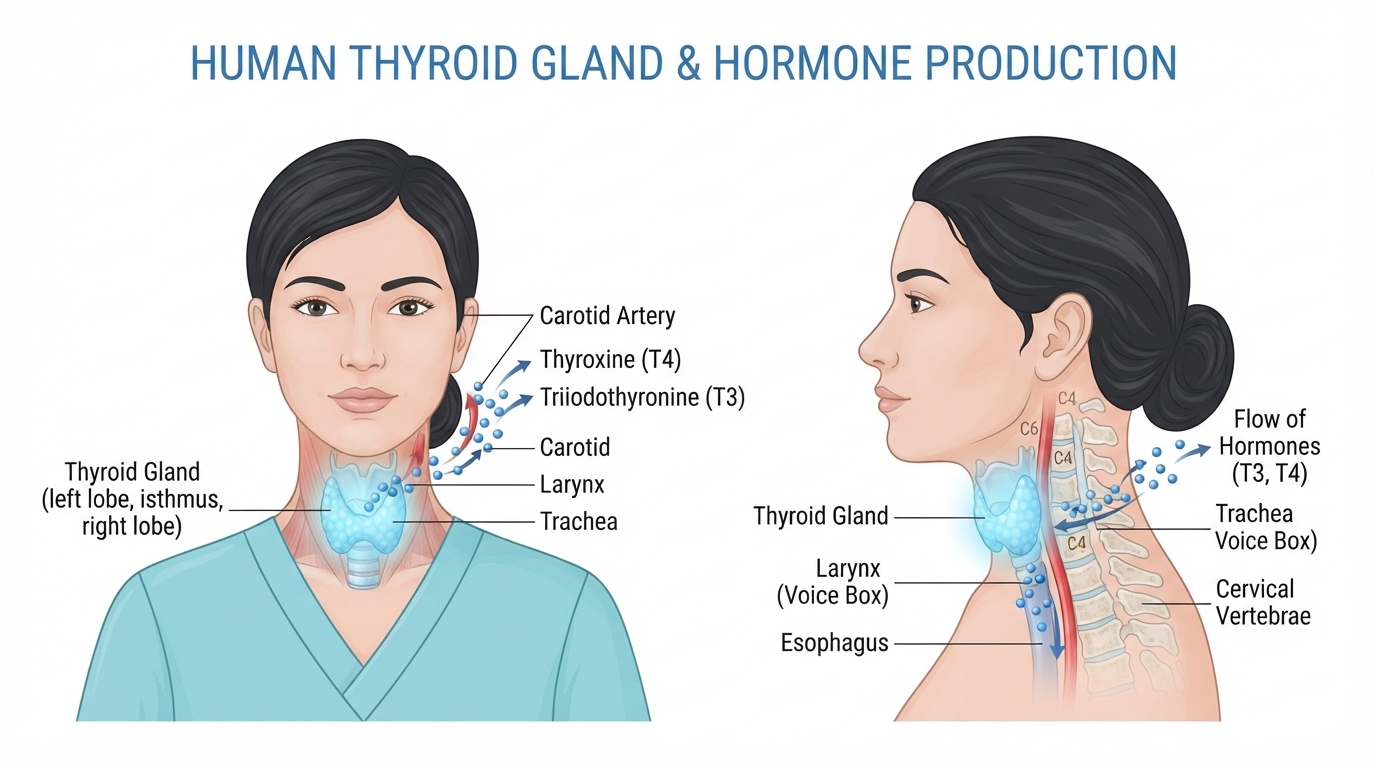
The thyroid gland produces two main hormones:

  • Thyroxine (T4)
  • Triiodothyronine (T3)

These hormones help regulate:

  • Body metabolism
  • Heart function
  • Brain development
  • Digestion
  • Body temperature
  • Muscle strength
  • Energy production

Common Types of Thyroid Disorders

1. Hypothyroidism (Underactive Thyroid)

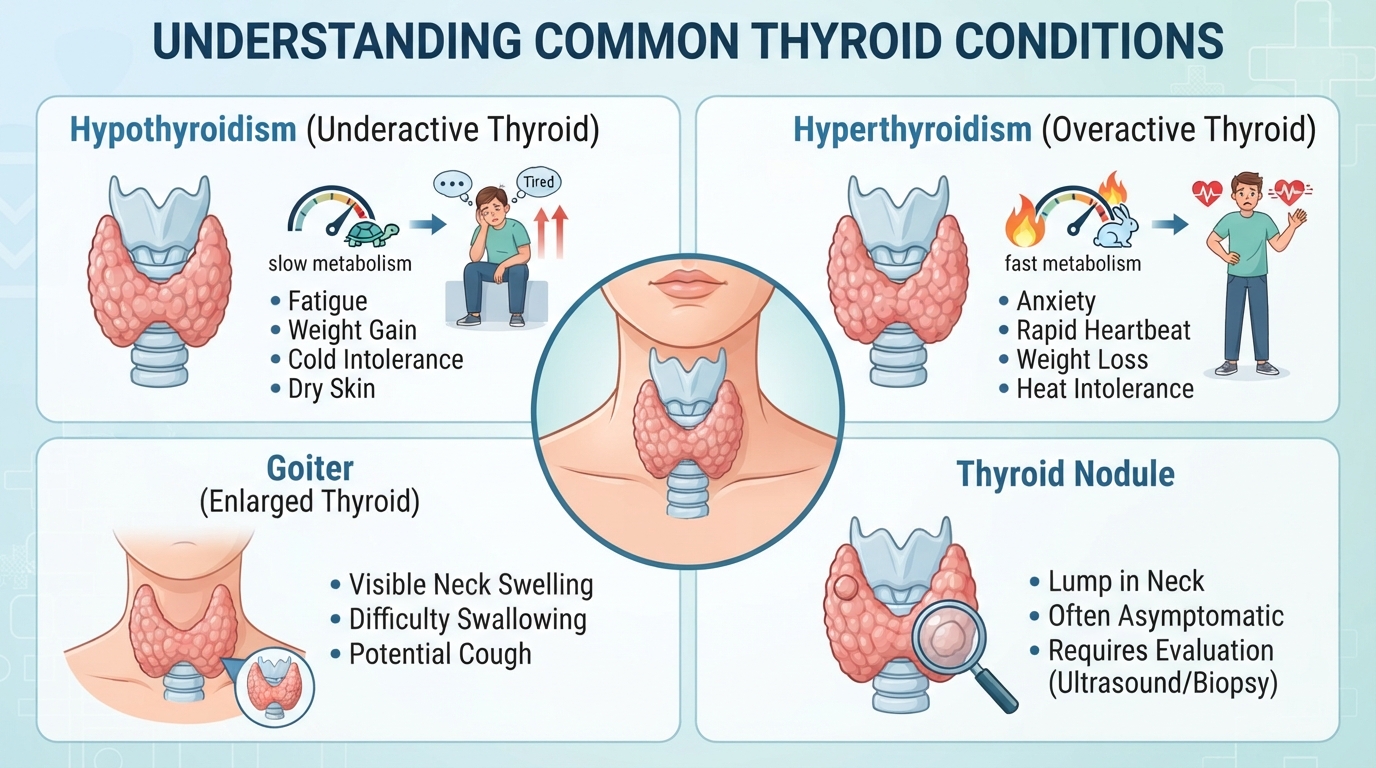
Hypothyroidism occurs when the thyroid does not produce enough hormones. This slows down many body functions.

Common Symptoms

  • Constant tiredness
  • Weight gain
  • Feeling cold easily
  • Dry skin
  • Hair loss
  • Depression
  • Slow heartbeat
  • Constipation
  • Puffy face
  • Muscle weakness
  • Memory problems
  • Heavy or irregular menstrual periods

2. Hyperthyroidism (Overactive Thyroid)

Hyperthyroidism happens when the thyroid produces too much hormone, making the body’s metabolism work faster than normal.Common Symptoms

  • Rapid heartbeat
  • Weight loss despite eating normally
  • Increased sweating
  • Feeling hot
  • Nervousness or anxiety
  • Trembling hands
  • Difficulty sleeping
  • Frequent bowel movements
  • Muscle weakness
  • Irritability


3. Goiter

A goiter is an enlargement of the thyroid gland. It may occur even if thyroid hormone levels are normal.

Symptoms

  • Swelling in the neck
  • Difficulty swallowing
  • Difficulty breathing
  • Hoarse voice

4. Thyroid Nodules

Thyroid nodules are small lumps that develop inside the thyroid gland. Most are harmless, but some require further testing.

Symptoms

  • Lump in the neck
  • Difficulty swallowing
  • Neck discomfort
  • Sometimes no symptoms at all
  •  

5. Thyroid Cancer

Although relatively uncommon, thyroid cancer is highly treatable when detected early.

Symptoms

  • Lump in the neck
  • Persistent hoarseness
  • Difficulty swallowing
  • Neck pain
  • Swollen lymph nodes


Causes of Thyroid Problems

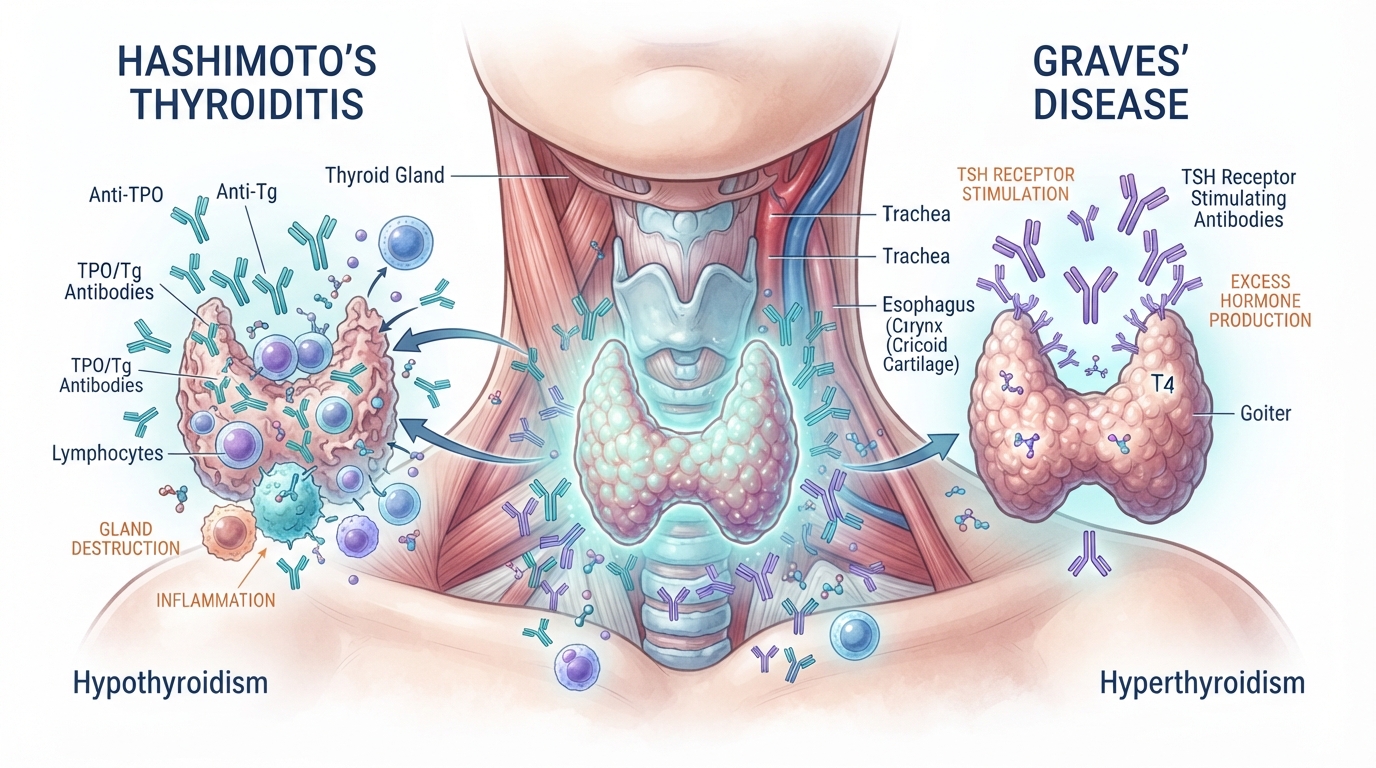
Autoimmune Diseases The immune system may mistakenly attack the thyroid. Examples include: Hashimoto's thyroiditis (causes hypothyroidism) Graves' disease (causes hyperthyroidism) Iodine Deficiency The thyroid needs iodine to produce hormones. Too little iodine can lead to thyroid enlargement and reduced hormone production. Family History People with close relatives who have thyroid disease are at greater risk. Certain Medications Some medicines can interfere with thyroid function. Radiation Therapy Radiation treatment to the neck can damage the thyroid. Pregnancy Hormonal changes during pregnancy may temporarily affect thyroid function.

Risk Factors...

You may have a higher risk if you:

  • Are female
  • Are over 60 years old
  • Have a family history of thyroid disease
  • Have an autoimmune disorder
  • Are pregnant or recently gave birth
  • Have iodine deficiency
  • Have received radiation treatment to the neck


How Is Thyroid Disease Diagnosed?

Doctors use several methods to diagnose thyroid disorders.

Medical History

The doctor asks about symptoms, family history, and medications.

Physical Examination

The neck is examined for swelling, nodules, or tenderness.

Blood Tests

Common blood tests include:

  • TSH
  • Free T4
  • Free T3
  • Thyroid antibodies (when autoimmune disease is suspected)

These tests help determine whether the thyroid is underactive or overactive.

Ultrasound

Ultrasound provides detailed images of the thyroid gland and helps identify nodules or enlargement.

Thyroid Scan

A radioactive iodine scan may be performed to evaluate thyroid activity.

Fine Needle Aspiration (Biopsy)

If a thyroid nodule appears suspicious, a small tissue sample may be taken to check for cancer.

Treatment of Thyroid Disorders...

Treatment for Hypothyroidism

The most common treatment is daily thyroid hormone replacement.

Medicine

Doctors usually prescribe synthetic thyroid hormone to replace the missing hormone.

Benefits include:

  • Improved energy
  • Better metabolism
  • Weight stabilization
  • Improved mood
  • Better heart function

Patients usually require regular blood tests to adjust the medication dose.


Treatment for Hyperthyroidism

Treatment options include:

Anti-Thyroid Medicines

These medicines reduce thyroid hormone production.

Radioactive Iodine Therapy

This treatment destroys overactive thyroid cells and is commonly used for long-term control.

Beta-Blockers

These medicines help control symptoms like rapid heartbeat and tremors but do not treat the thyroid itself.

Surgery

Removing part or all of the thyroid gland may be recommended if:

  • The thyroid is very large.
  • Cancer is suspected.
  • Medications are ineffective.
  • Other treatments are not suitable.

Treatment for Goiter

Treatment depends on the cause.

Small goiters without symptoms may only need regular monitoring.

Larger goiters may require medication, radioactive iodine therapy, or surgery.


Treatment for Thyroid Nodules

Most nodules are benign and only need observation.

Some require:

  • Regular ultrasound monitoring
  • Biopsy
  • Surgery if cancer is suspected

Lifestyle Tips for Healthy Thyroid Function
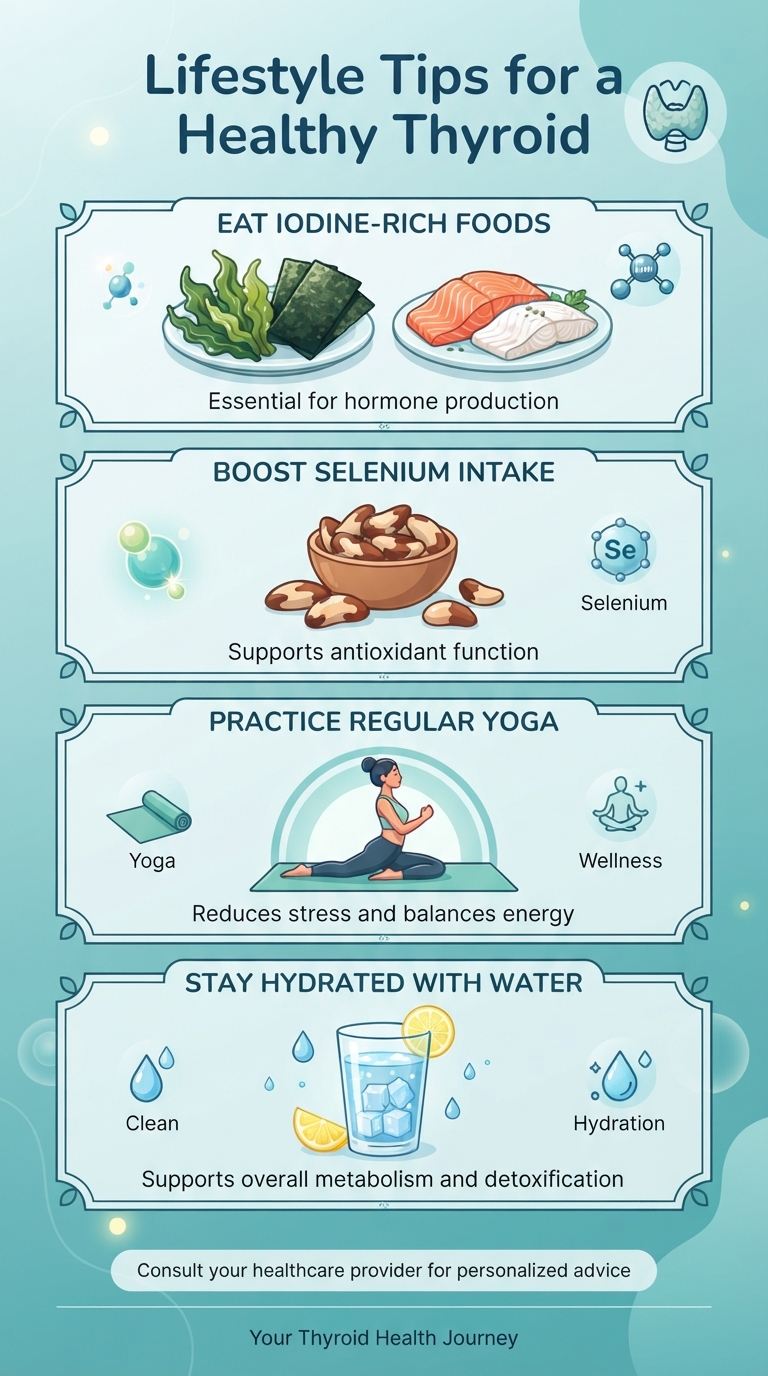
Eat a Balanced Diet

Include foods rich in:

  • Iodine
  • Selenium
  • Zinc
  • Iron
  • Vitamin D

Good food choices include:

  • Fish
  • Eggs
  • Dairy products
  • Whole grains
  • Fruits
  • Vegetables
  • Nuts

Exercise Regularly

Regular physical activity helps maintain a healthy weight and improves energy levels.

Take Medication Properly

If prescribed thyroid medicine:

  • Take it at the same time every day.
  • Take it on an empty stomach unless instructed otherwise.
  • Do not stop medication without consulting your doctor.

Attend Regular Checkups

Routine blood tests help ensure thyroid hormone levels remain within the normal range.

Manage Stress

Stress management through meditation, yoga, deep breathing, or regular exercise may improve overall well-being.

Conclusion

The thyroid gland plays a vital role in regulating many important body functions. Disorders such as hypothyroidism, hyperthyroidism, goiter, thyroid nodules, and thyroid cancer can affect people of all ages. Fortunately, most thyroid conditions can be effectively managed with early diagnosis, proper medication, healthy lifestyle habits, and regular medical follow-up.

Leave a Reply

Your email address will not be published. Required fields are marked *

TOP